

Mali’s transitional leader, Assimi Goïta, is accelerating the country’s diplomatic and economic transformation, as the government simultaneously strengthens international engagement and consolidates control over its strategic resources.
These developments, approved during a cabinet meeting held in Koulouba on March 18, reflect a broader recalibration within the Alliance of Sahel States (AES), which also includes Burkina Faso and Niger.
To begin with, Mali has introduced new organizational frameworks for its embassies in key global capitals, including Beijing, Berlin, Kigali, Rome, Cairo, and Moscow, while also restructuring its consulate in Paris.
According to government officials, these reforms are intended not only to correct structural gaps in previous systems but also to prepare Mali’s diplomatic missions for staffing and operational needs over the next five years. The decrees were signed by Secretary General Birama Coulibaly. In other words, rather than abandoning old partnerships, Mali appears to be diversifying its diplomatic relations while keeping multiple channels open.
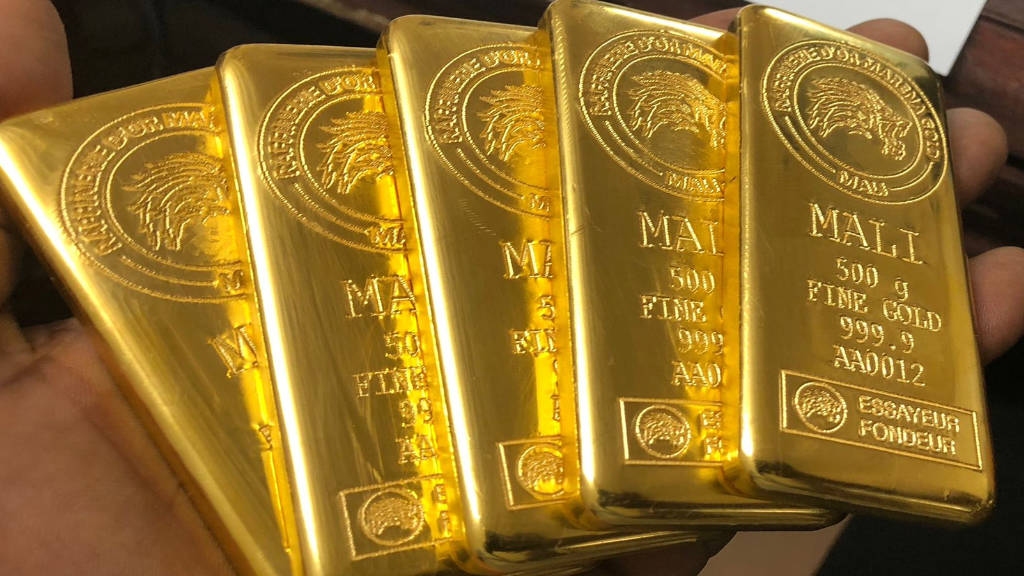
At the same time, the government is reinforcing its control over the gold sector, which remains central to the national economy.
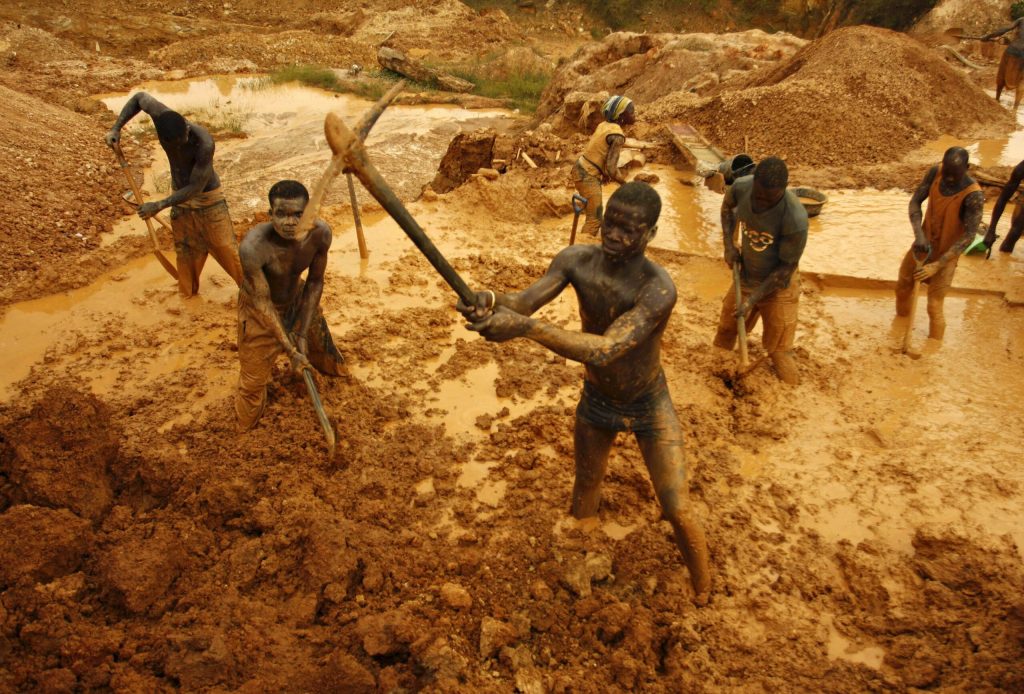
In 2022, Mali produced over 72 tonnes of gold, with artisanal mining contributing a smaller share but still playing a crucial role. The sector generated significant revenue and accounted for a notable percentage of the country’s GDP, as reported by Business Insider Africa.
However, despite its economic importance, authorities have struggled to regulate artisanal mining, largely due to inconsistencies between official production figures and export data.
To address this challenge, the government has approved the creation of a new regulatory body,the Malian Office of Precious Substances. This institution will oversee and formalize gold commercialization, particularly in the artisanal mining sector. As a result, officials expect improved traceability, reduced revenue leakages, and stronger state oversight.
In addition, Mali has extended an exploration permit for Roscan Gold Mali SARL in the Kandiolé-Nord area, further signaling its commitment to developing the mining sector under tighter regulation.
Taken together, these reforms point to a dual-track strategy. On the one hand, Mali is expanding its diplomatic reach and strengthening international partnerships. On the other hand, it is tightening control over key economic resources to maximize national benefits.
This approach, in turn, mirrors a broader trend within AES countries, where economic sovereignty and resource governance are becoming top priorities.
Meanwhile, the cabinet has also endorsed a national entrepreneurship strategy for 2026–2030. The initiative aims to stimulate private sector growth and create jobs, particularly for the youth.
Mali’s latest reforms indicate a comprehensive repositioning strategy, one that balances outward engagement with internal consolidation in pursuit of long-term economic resilience.