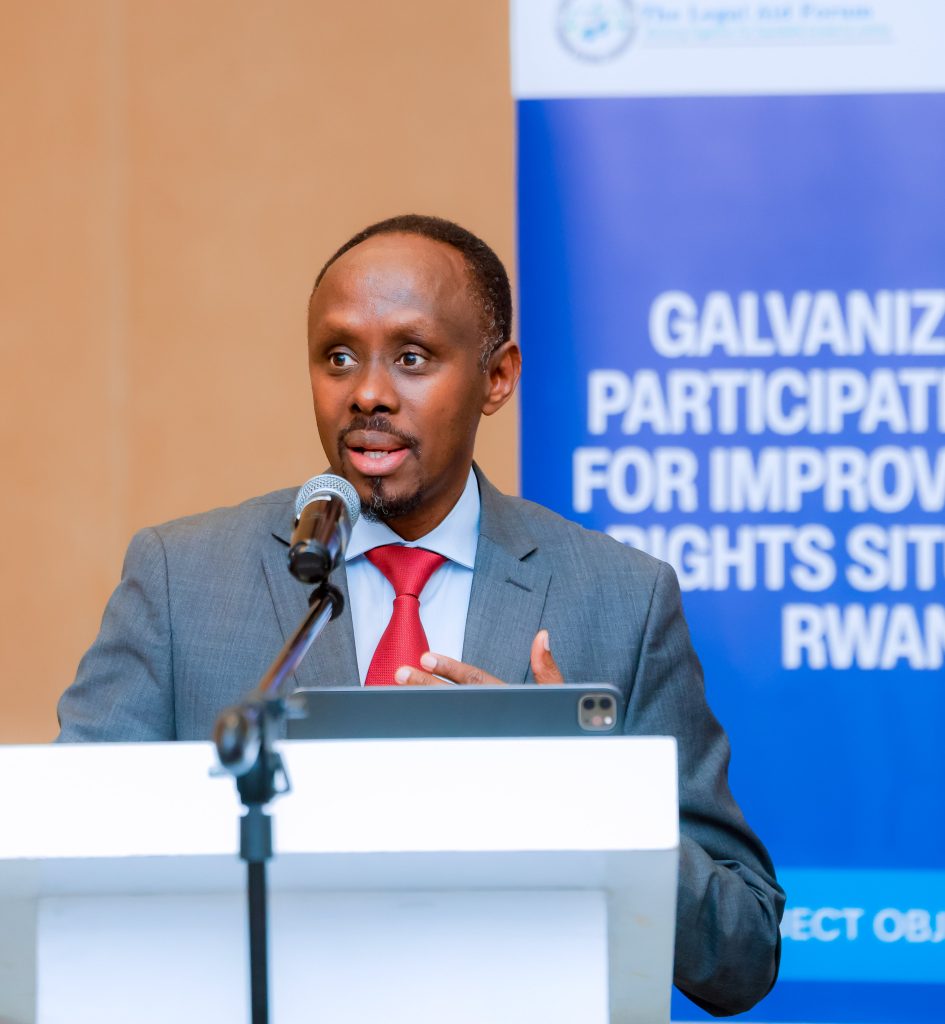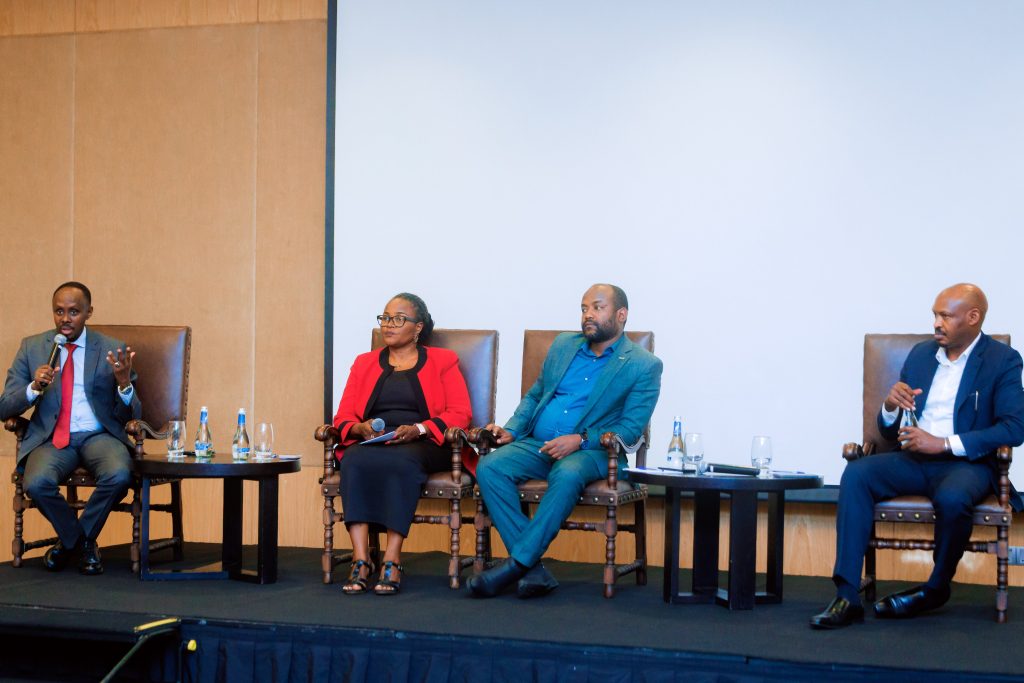
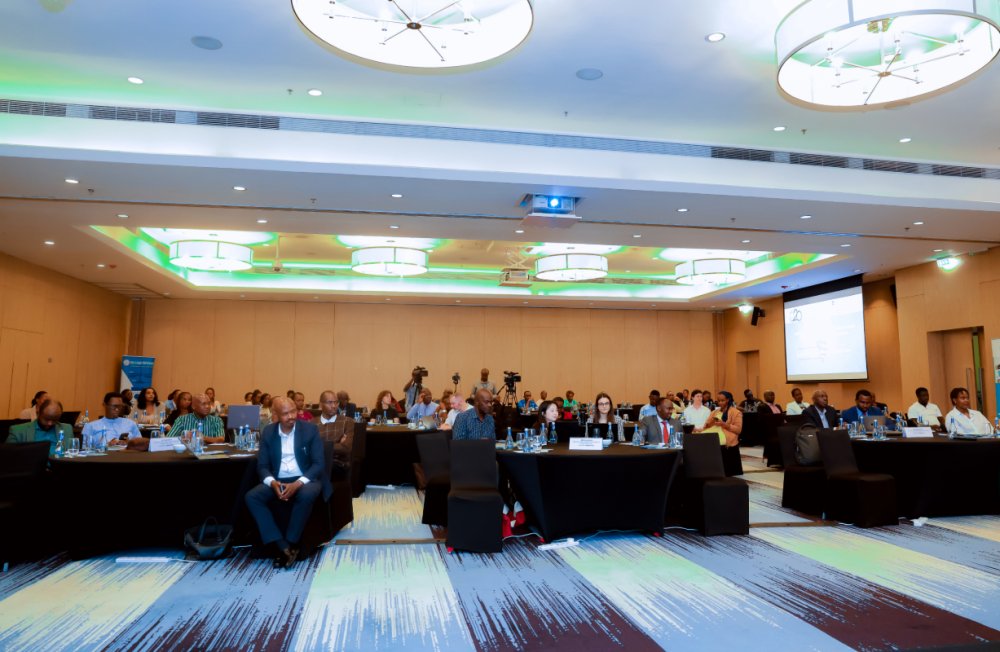
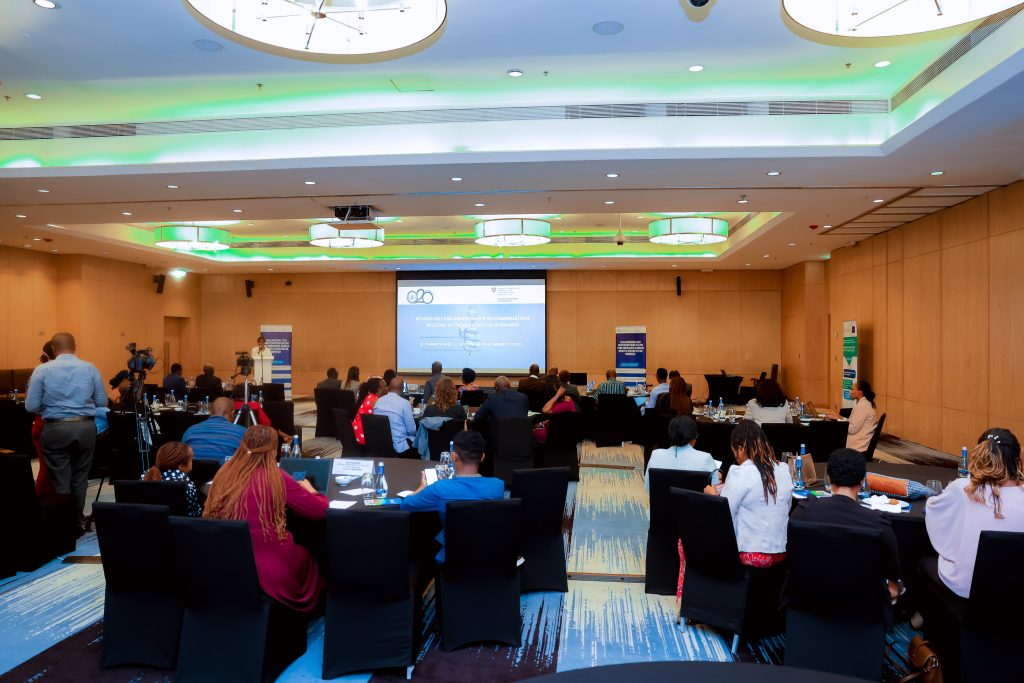
These issues were discussed on March 31, 2026, during a dialogue organized by Legal Aid Forum (LAF). The event brought together journalists to discuss ways to improve the profession.
The discussions were held following Rwanda’s participation in January 2026 in the United Nations Human Rights Council’s review process known as the Universal Periodic Review (UPR), where the country received 286 recommendations on human rights, including 29 related to media.
Issue of unqualified individuals posing as journalists
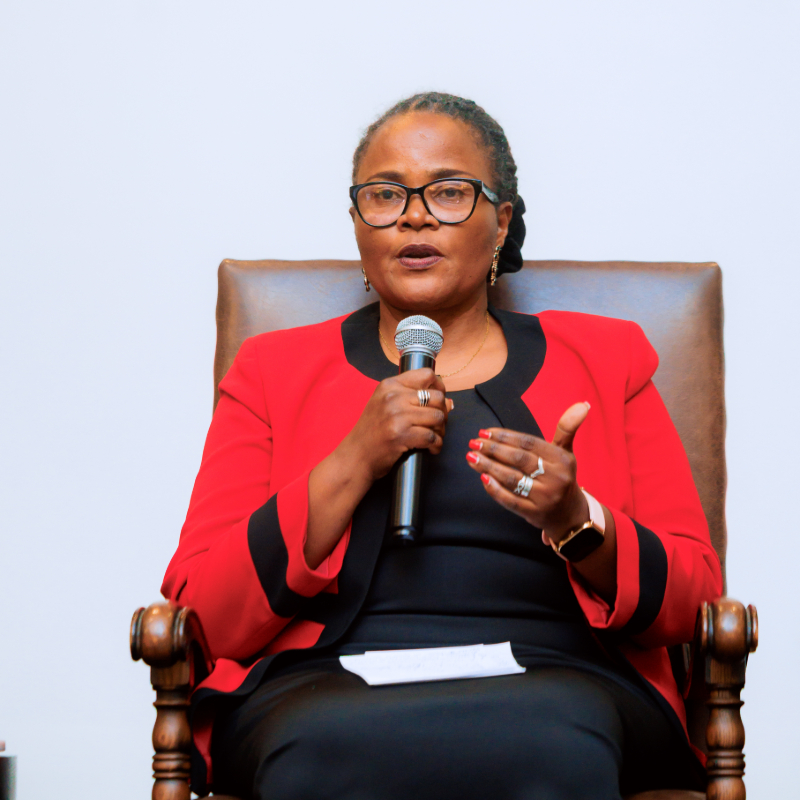
Ayanone Solange, an experienced journalist in Rwanda and head of the MEDECO, said there is a growing concern that journalism is increasingly being practiced by non-professionals.
She said, “Nowadays, it is difficult to identify who is truly a journalist because everyone has become a journalist without proper training, and I see this as a serious issue.”
Limited financial resources
Ayanone also pointed out that lack of financial capacity in media houses is a major issue pushing skilled journalists out of the profession.
She explained, “Many media organizations are unable to pay journalists well due to financial constraints, which often leads them to leave and pursue other activities.”
She added that for media houses to survive, they need strong partnerships with advertisers, as advertising revenue is key to sustaining operations and paying staff.
However, she noted that Rwanda’s advertising market is small, and traditional media must now share it with content creators on social media platforms.
“When media houses fail to pay journalists adequately, many leave to start their own YouTube channels, eventually competing with their former employers,” she said.
Outdated media policy
Ayanone also emphasized that the lack of an updated media policy continues to hinder the growth of journalism in Rwanda.
She said, “Media policy and laws governing journalism, along with newer laws emerging in the digital era, sometimes conflict with existing frameworks. This is why the policy needs to be updated.”
The Executive Director of Legal Aid Forum, Me Andrews Kananga, stated that the organization will do everything possible to support and strengthen the journalism profession.
He said, “In the times we are living in, journalism must be valued and strengthened. Journalists need to be empowered, and the country must establish systems that ensure the profession benefits those who practice it.”
He called for the swift revision of media policy to enable the sector to grow.