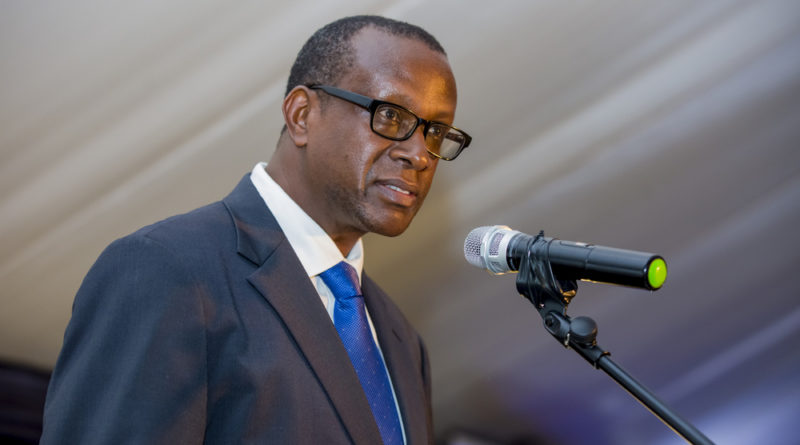

Jean Damascène Bizimana, Rwanda’s Minister of National Unity and Civic Engagement, explained that the main reason commemoration events were limited to no more than three hours is due to challenges faced by Genocide survivors when they spend long periods in such activities.
He made these remarks during an interview with RadioTV10 on April 3, 2026, discussing preparations for the 32nd commemoration of the Genocide against the Tutsi.
He said “Commemoration activities used to be very long and lacked a clear framework. Some would last nearly a whole day, while others extended overnight in mourning vigils. This often led to fatigue and related health issues such as high blood pressure.”
He added that medical observations, especially among vulnerable survivors, showed an increase in health complications during commemoration periods due to exhaustion.
“Commemoration is not meant to be a time of exhaustion, which is why we introduced significant reforms,” he said.
The minister also noted that trauma cases used to rise during this period, prompting the establishment of structured and well-managed guidelines to ensure the events remain meaningful without harming participants.
As a result, commemoration events are now limited to a maximum of three hours, although he acknowledged that in some places, time management remains a challenge-especially during testimony sessions.
He explained that testimonies, which are a crucial part of the events, were allocated about one hour, but speakers can sometimes take longer due to the emotional weight of their stories.
“We encourage organizers to prepare speakers in advance, with support teams that listen to them beforehand and help them structure their testimonies around key points,” he added.
Dr. Bizimana further stated that the reduction in the number of discussion sessions during the commemoration week was due to concerns that holding them every evening had begun to diminish the value of the event.
He noted that daily evening sessions disrupted normal life-markets closed, work stopped and some people would misuse the time, even leaving the country during the week, which undermined the purpose of remembrance.
For the 32nd commemoration, he confirmed that activities on April 7 will proceed as usual, with the national launch taking place at the Kigali Genocide Memorial.