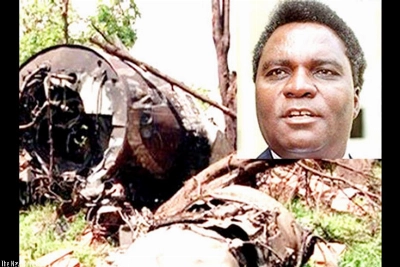
Among the arguments put forward by those who deny that the plane of Juvénal Habyarimana was shot down by his own soldiers, they often claim that his army did not possess weapons capable of bringing down an aircraft. However, information from the Central Intelligence Agency (CIA) indicates that the FAR had stockpiled 35 such guns along with 15 missiles.
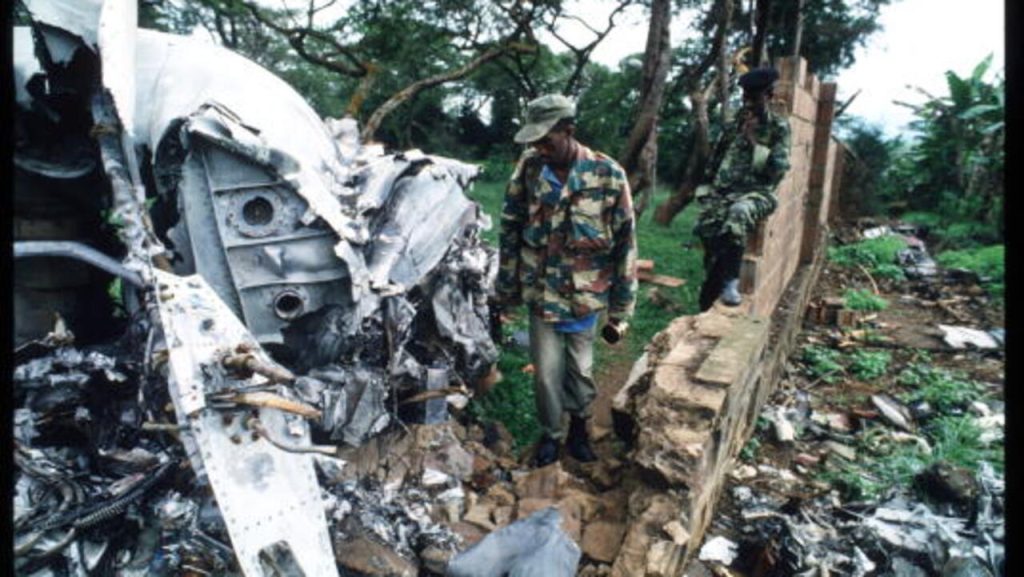
The plane of President Habyarimana, which had been a gift from France, was shot down on the evening of April 6, 1994, at around 8:30 PM, as he and his Burundian counterpart, Cyprien Ntaryamira, were returning from Dar es Salaam in Tanzania.
In the book Stepp’d in Blood: Akazu and The Architects of the Rwandan Genocide Against The Tutsi, the author and investigative journalist Andrew Wallis explains that Habyarimana was killed by individuals who feared he would remove them from government, as he had planned while in Tanzania.
On Easter Monday, April 4, 1994, President Habyarimana called Enoch Ruhigira, who was head of the Cabinet, and instructed him to prepare for the swearing-in ceremony of a new government. He emphasized that the new administration should include people from different backgrounds rather than only members of the Akazu.
This plan was not well received by members of the Akazu. According to Wallis, they immediately convened an emergency meeting, and Théoneste Bagosora, who was in Gisenyi, rushed there without even changing clothes. During that meeting, the only topic discussed was how to shoot down Habyarimana’s plane when it returned from Tanzania.
Former Governor of the National Bank, Jean Birara, told the author that the aim of this coup d’état was to place power in the hands of three retired military officers from the Akazu: Serubuga, Rwagafilita, and Buregeya, who were reportedly dissatisfied.
Another reason was that some members of the Akazu feared losing their positions, status, and wealth. More importantly, they feared being held accountable for actions committed during the 21 years since 1973. They believed they might face the same fate they had inflicted on members of the First Republic under Grégoire Kayibanda, where many were killed and others imprisoned.