
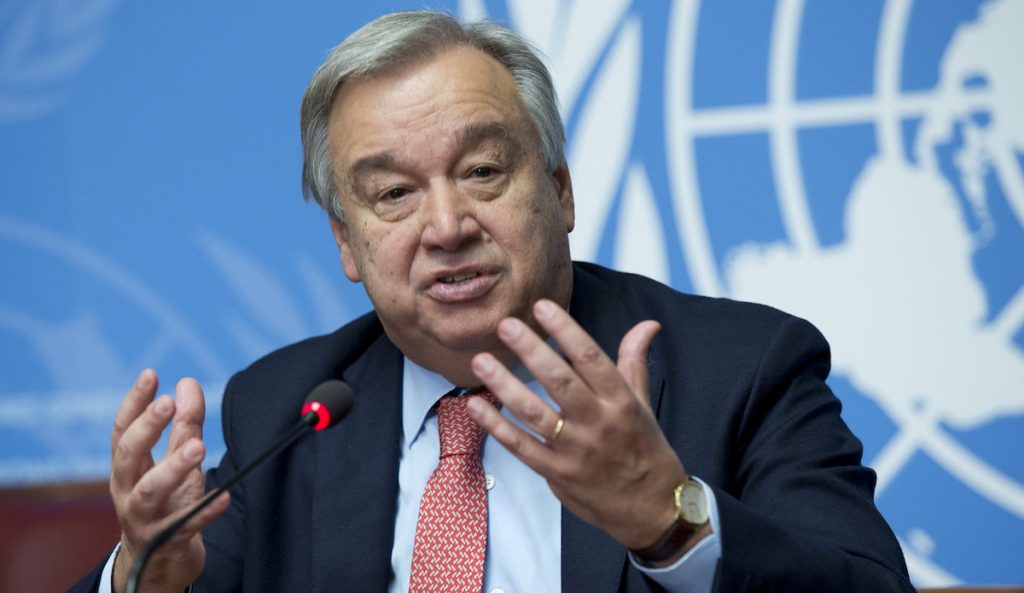

In a message shared on social platforms to coincide with Kwibuka 32, Guterres paid tribute to the victims and survivors of the genocide, emphasizing the importance of preserving memory while confronting the dangers that led to the atrocities.
“On the International Day of Reflection on the 1994 Genocide Against the Tutsi in Rwanda, we mourn the victims and pay tribute to the survivors,” he stated.
The UN chief also underscored the scale of the tragedy, honoring the more than one million people who lost their lives during the genocide. His message highlighted the urgent responsibility of the global community to prevent such crimes from happening again.
“We honour the million people who perished… and the duty to confront incitement before it turns into mass violence,” He added.
Guterres warned that hate speech, discrimination, and divisive ideologies remain present in many parts of the world today. He stressed that remembrance must be accompanied by decisive efforts to address these threats early.
According to the Secretary-General, the commitment to “Never Again” should not remain symbolic but must be reflected in tangible actions, including promoting tolerance, strengthening education, and holding perpetrators of incitement accountable.
The annual commemoration, observed globally as the International Day of Reflection on the 1994 Genocide against the Tutsi in Rwanda, serves as a reminder of the consequences of inaction in the face of hatred and extremist rhetoric.
As Rwanda continues its journey of remembrance, resilience, and rebuilding, Guterres’ message reinforces a broader global call: that preventing genocide begins with confronting hate wherever it emerges.