
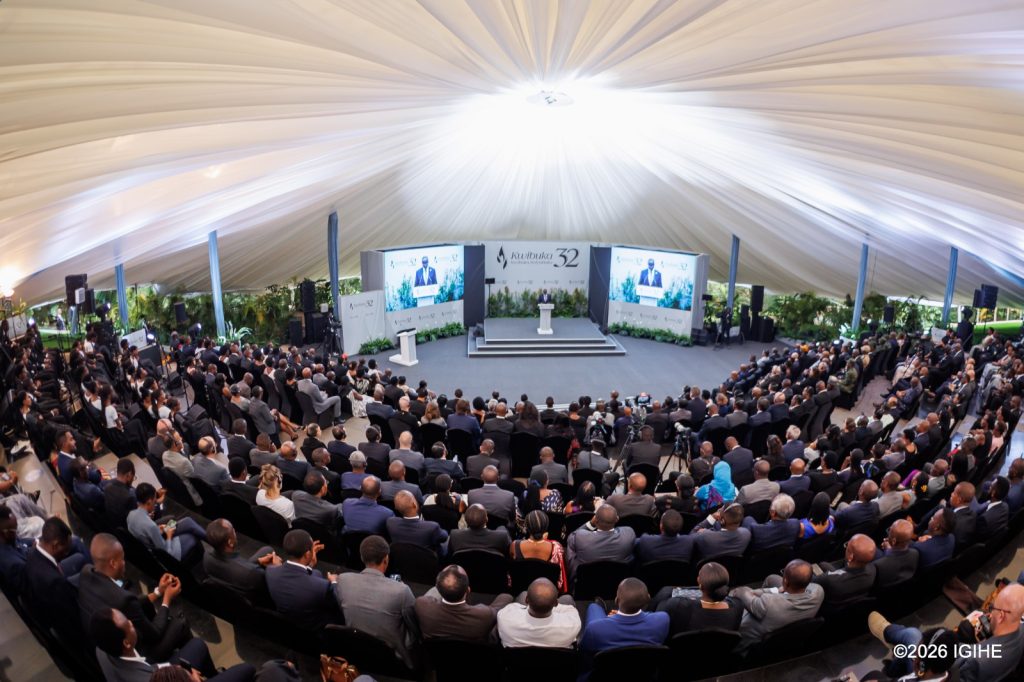
Rwanda has today begun the 32nd commemoration of the 1994 Genocide against the Tutsi, a period marked by remembrance, reflection, and a renewed commitment to ensure such a tragedy never happens again.
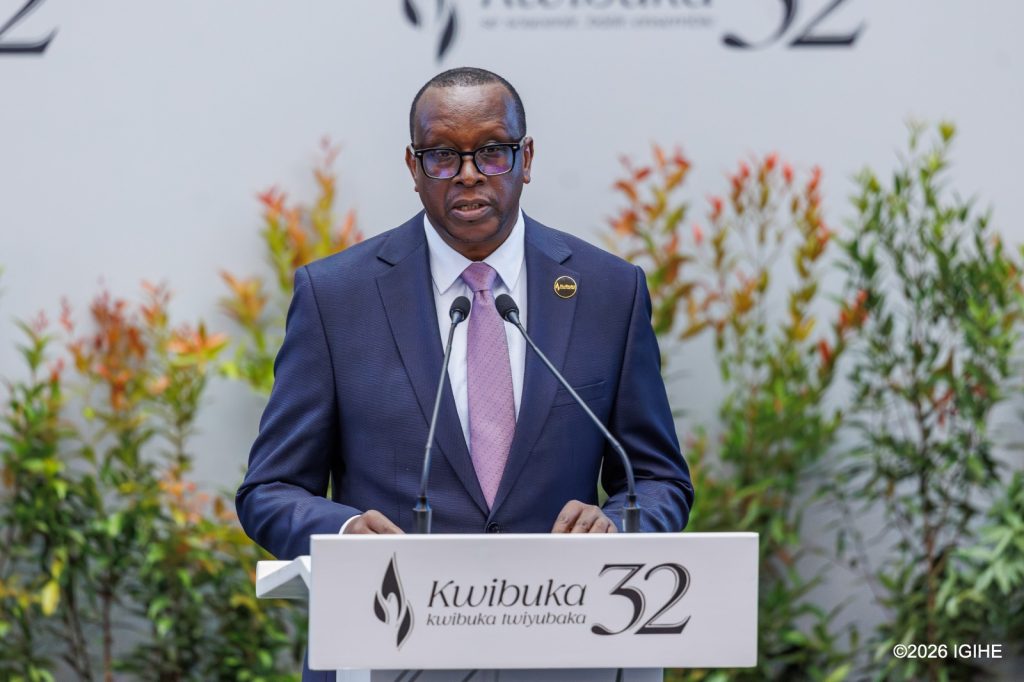
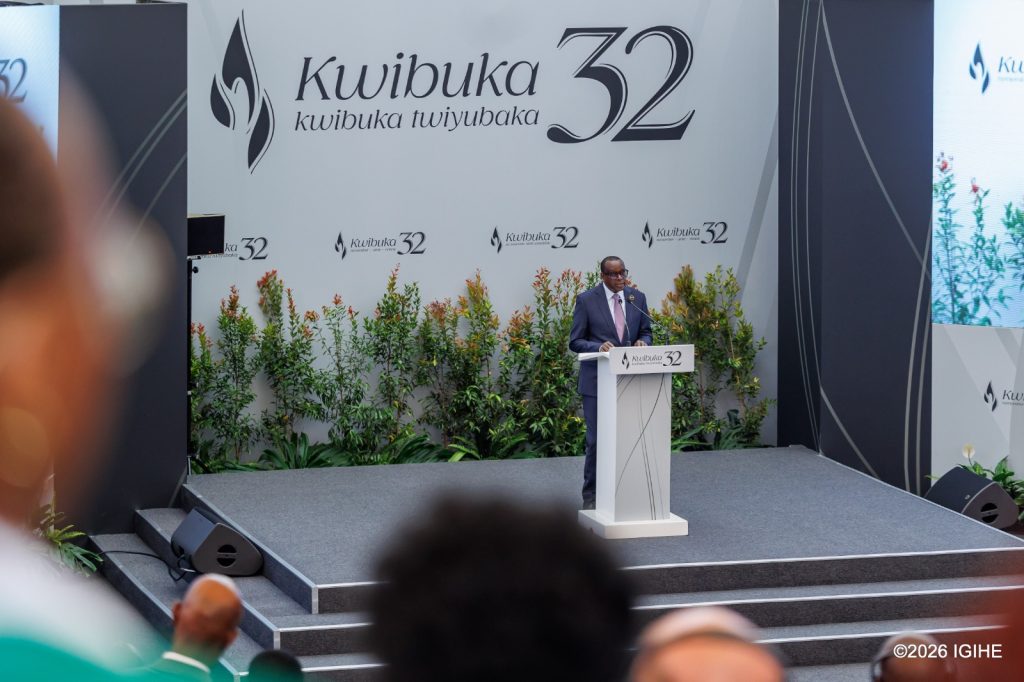
Speaking at the start of the commemoration, the Minister of National Unity and Civic Engagement, Dr. Jean Damascene Bizimana, said the international community has yet to fully act on the lessons drawn from the genocide.
He pointed to the continued insecurity facing Congolese Tutsi communities in the eastern Democratic Republic of the Congo, where killings and displacement persist. According to him, the United Nations has taken positions in the past, but implementation remains a concern.
“These decisions are being violated by Congo by integrating the FDLR into its army, while MONUSCO is watching, just as MINUAR stood by during the preparation of the Genocide in Rwanda. Congolese leaders are promoting hate, just as was done in Rwanda between 1990 and 1994,” he said.
At the center of these concerns is the presence of the FDLR, an armed group with links to individuals responsible for the 1994 genocide. The group has long been designated as a terrorist organization, with UN resolutions calling for its disarmament and the end of any support to its operations.
Dr. Bizimana referred to UN Security Council Resolution 1804 of 2008, which called for the immediate laying down of arms by the FDLR and urged member states to prevent financial or logistical assistance to such groups. He noted that these measures have not been fully enforced.
He also raised concerns about the role of the UN peacekeeping mission, MONUSCO, particularly in light of ongoing insecurity in eastern Congo.
The Minister warned that hate speech and incitement targeting Tutsi communities continue to surface in the region, drawing parallels with the period leading up to the 1994 genocide.
He recalled that previous findings by bodies such as the African Union indicated that the genocide could have been prevented if early warning signs had been acted upon.
Despite these concerns, he acknowledged Rwanda’s progress over the past three decades, noting efforts in rebuilding, reconciliation, and reintegration.
“We remember, assuring you that nothing will ever again destroy Rwanda while we stand by. It happened, and it should never happen again. There was a time where Rwanda had children of violence and the machete, but now there is Peace and Rwandan and they will endure.” he added.
The commemoration, observed every year from April 7, honors the more than one million lives lost in 1994 and serves as a reminder of the importance of vigilance against division and violence.
Across the country, Rwandans are once again coming together not only to remember, but to reaffirm a shared responsibility to protect unity and safeguard the future
Photos by IGIHE