

Kigali, Rwanda: Africa’s energy future took center stage at the Nuclear Energy Innovation Summit on Africa (NEISA2026), which brought together government leaders, policymakers, financiers, regulators, and nuclear technology providers to explore how to turn nuclear energy ambitions into practical, investable projects.
Held at the Kigali Convention Centre from 18–21 May 2026, the summit focused on financing frameworks, regulatory readiness, and scalable deployment pathways, with particular emphasis on Small Modular Reactors (SMRs) and Micro Modular Reactors as flexible solutions to meet rising energy demand across the continent.
Discussions throughout the summit highlighted the rapid growth in Africa’s energy needs, driven by industrial expansion, mineral processing, artificial intelligence infrastructure, and the broader digital economy.
A recurring message was that Africa’s future competitiveness will depend on its ability to develop reliable, stable, and low-carbon energy systems capable of supporting modern industries and emerging technologies.
Speaking during the summit, Hon. Paula Ingabire, Rwanda’s Minister of ICT and Innovation, emphasized that energy has become a central pillar of digital and industrial development.
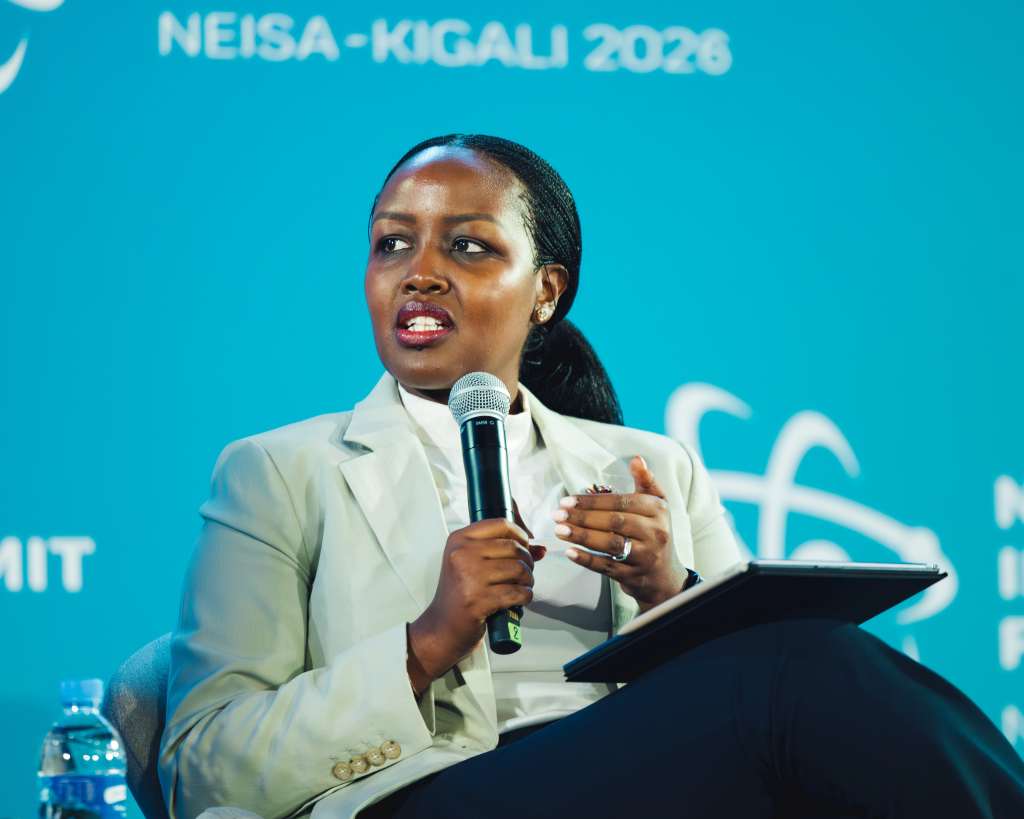
“When you think about the energy architecture that is required, especially for nations that are trying to compete in a world where AI workloads and mineral processing are primary determinants for industrial competitiveness, then the conversation around energy becomes a priority for everyone.” She stated.
Her remarks underlined the growing connection between energy planning, artificial intelligence infrastructure, and Africa’s long-term industrial ambitions.
Ma Wenjun of the China National Nuclear Corporation (CNNC), speaking at #NEISA2026, highlighted that rising industrial demand, driven by artificial intelligence, mining, and advanced manufacturing, is strengthening the case for nuclear energy deployment across Africa.
He noted that data centers, industrial users, and large-scale manufacturers are increasingly requiring reliable, low-carbon, and stable energy systems.
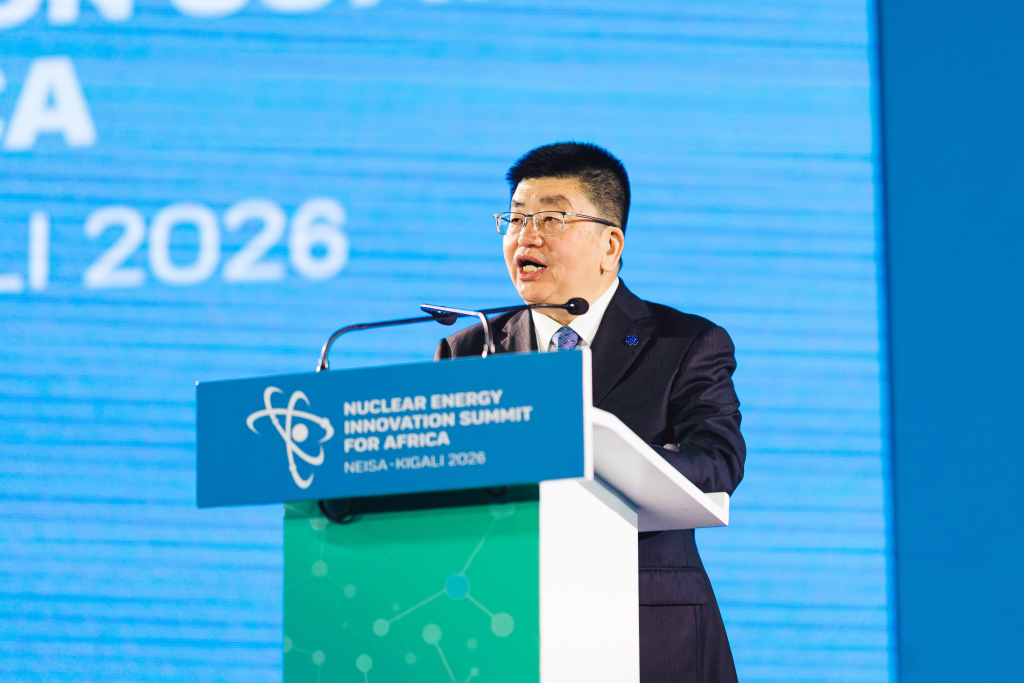
He also emphasized the need for long-term industrial partnerships, infrastructure development, and flexible nuclear technologies such as Small Modular Reactors (SMRs).
His remarks further underscored the importance of aligning energy infrastructure with Africa’s industrialisation agenda, digital transformation, and long-term economic growth goals.
Amath Pathé Sene, Managing Director of the AFSF Secretariat, highlighted the central role of energy in driving food security, industrialization, and climate resilience.
“There is no adaptation without energy. If we want competitive food systems, industrialisation, and long-term food security across Africa, then reliable energy becomes essential.”
Discussions centered on creating bankable nuclear projects, strengthening financing mechanisms, reducing investment risks, and improving regulatory coordination across African countries to support cross-border energy development.
The summit has reinforced a growing consensus that nuclear energy is increasingly being viewed not only as a power source but as a strategic foundation for Africa’s industrialization, digital transformation, and sustainable development.
As NEISA2026 concludes in Kigali, stakeholders are expected to push for stronger commitments to financing, partnerships, and implementation frameworks to accelerate Africa’s transition toward a more secure and resilient energy future.


