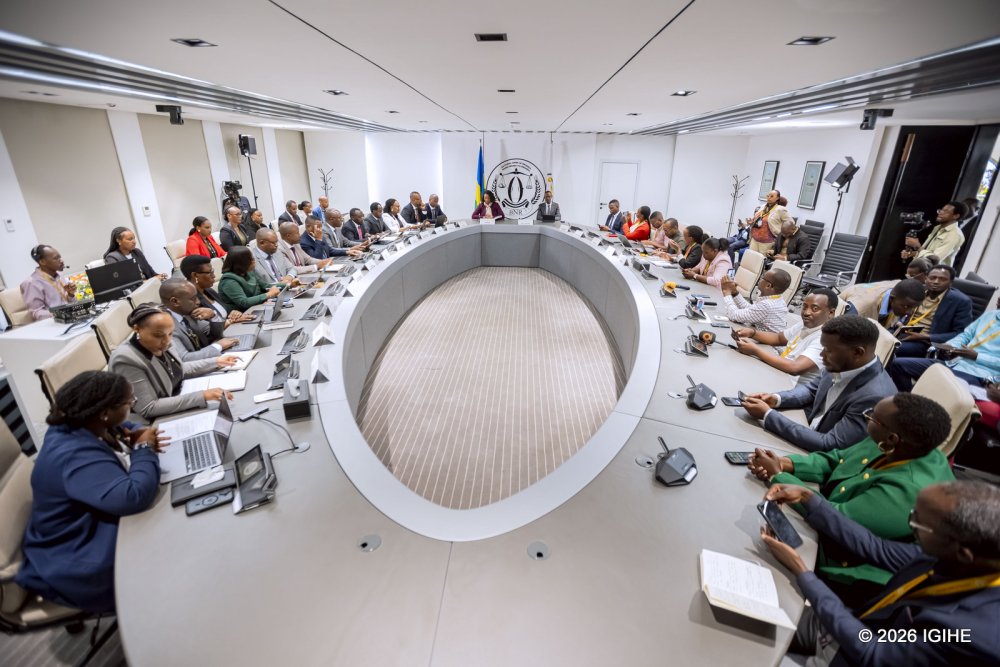


In February 2026, the central bank rate had been maintained at 7.25% to help control increasing market prices.
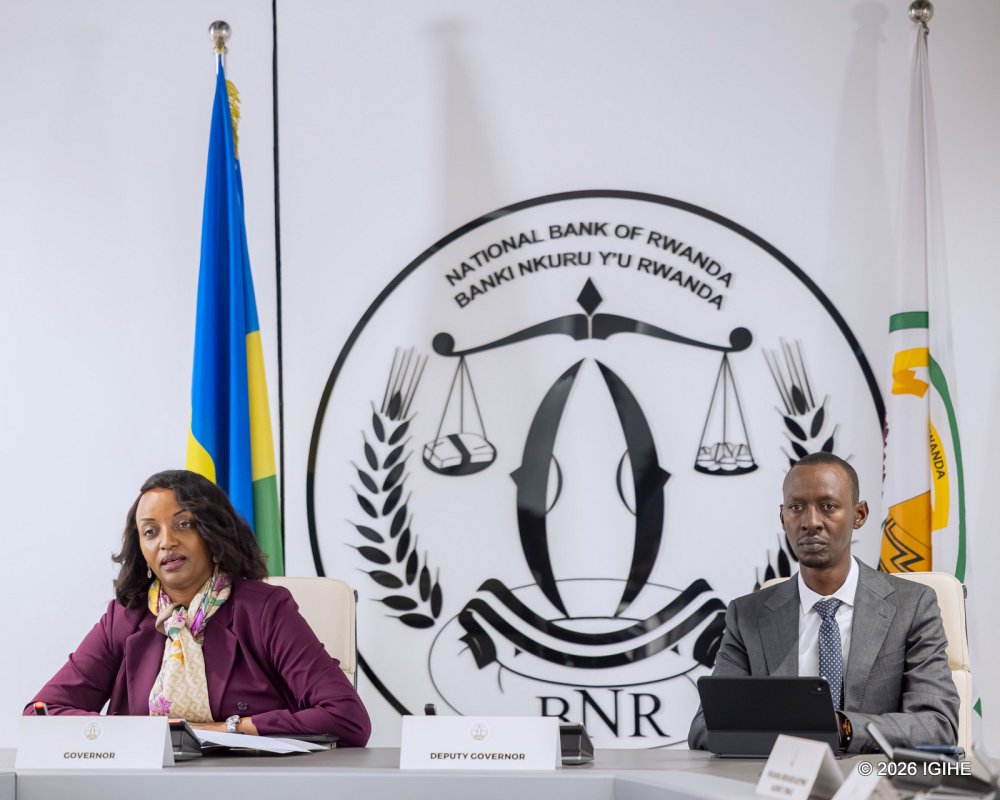
BNR Governor Soraya Hakuziyaremye said the 1% increase is intended to slow inflation and keep it within the central bank’s target range, which is considered essential for sustaining economic growth.
She explained that monetary policy aims to prevent inflation from continuing to rise, noting that it has now exceeded BNR’s target range of 2% to 8%.
Hakuziyaremye said the measures were taken to protect citizens’ purchasing power, with the goal of keeping inflation below 5% over the medium term, within the next two to three years.
During the first quarter of 2026, inflation rose to 9.1%, up from 7.4% in the fourth quarter of 2025, driven by accelerating price increases.
Inflation further climbed to 13% in April, up from 9.2% in March, surpassing the central bank’s target range.
The sharp rise in prices has mainly been driven by food costs and energy-related products.
BNR now forecasts average inflation for 2026 to reach 13.9%, significantly higher than the 9.4% projection announced in February.
The changes have been linked to both domestic and international factors, including rising fuel and gas prices caused by tensions involving the United States, Israel, and Iran, as well as increased maritime transport costs following the closure of the Strait of Hormuz.
BNR warned that the conflict in the Middle East could slow global economic growth, which is now projected at 3.1% in 2026.
Global inflation is also expected to rise to 4.4%, while worldwide fuel prices could increase by 24.6% this year if the conflict continues.
Governor Hakuziyaremye said the decision to raise the interest rate was aimed at helping Rwandans maintain their purchasing power.
She also encouraged citizens to adjust their spending habits, advising people to reduce unnecessary travel as uncertainty remains over how long the conflict will continue.
She emphasized that during periods of economic disruption, both governments and individuals must adapt to changing conditions.
BNR noted that since 2020, Rwanda’s economy has faced several shocks, including the Covid-19 pandemic, the effects of the Russia-Ukraine war, and devastating floods in Rwanda. Authorities said various measures were implemented during those periods to stabilize the economy.
The central bank acknowledged that some global economic challenges are beyond Rwanda’s control, but stressed that measures must be taken where possible to prevent inflation from rising further.
BNR also said Rwanda’s trade deficit narrowed by 23.2% in the first quarter of this year due to increased export revenues from products such as tea and coffee.
According to the central bank, April’s inflation surge was mainly driven by rising fuel and energy prices.