
The services sector accounted for 52% of GDP, while agriculture contributed 19%, industry 24%, and other activities 5%.
Agricultural output increased by 8%, industrial production grew by 13%, while the services sector expanded by 7%.
These figures were presented to the media on 16, June 2026.
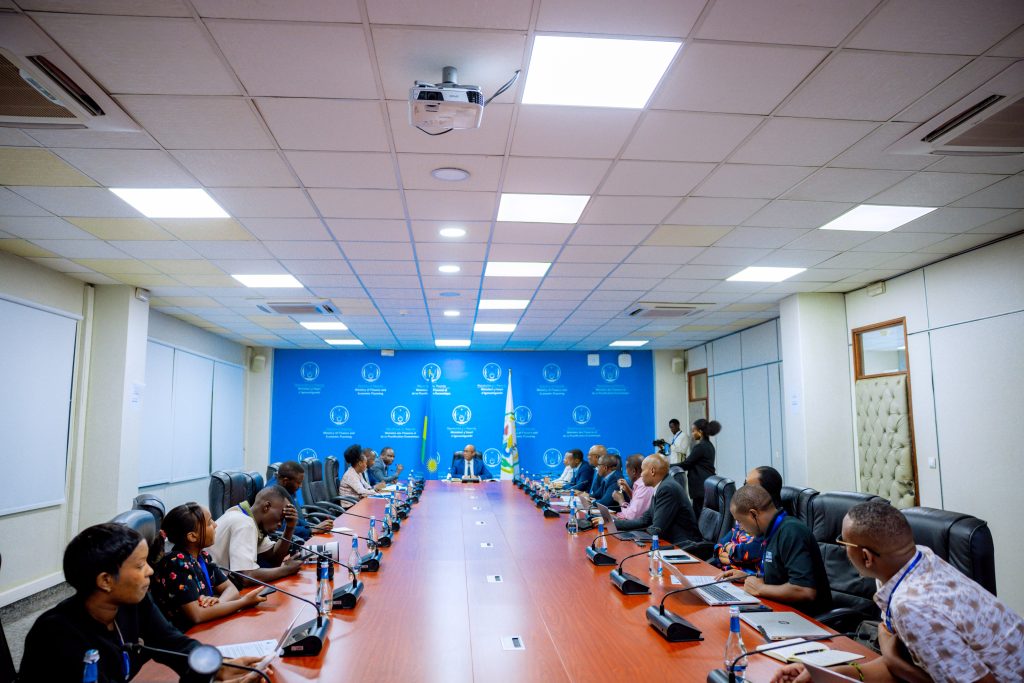
The Deputy Director General of NISR, Jean Claude Mwizerwa, said that the value of exports increased by 39%, largely driven by an 86% rise in coffee exports. However, tea exports declined by 3%.
Meanwhile, the production of food crops increased by 3%.
Output from wholesale and retail trade grew by 11%, while the transport sector also expanded by 11%, including a 10% increase in land transport services and a 7% rise in air transport services.
The information and communication technology (ICT) sector recorded a 22% increase, while financial and insurance services grew by 11%. The education sector expanded by 3%, whereas the hospitality sector, including hotels and restaurants, contracted by 16%.
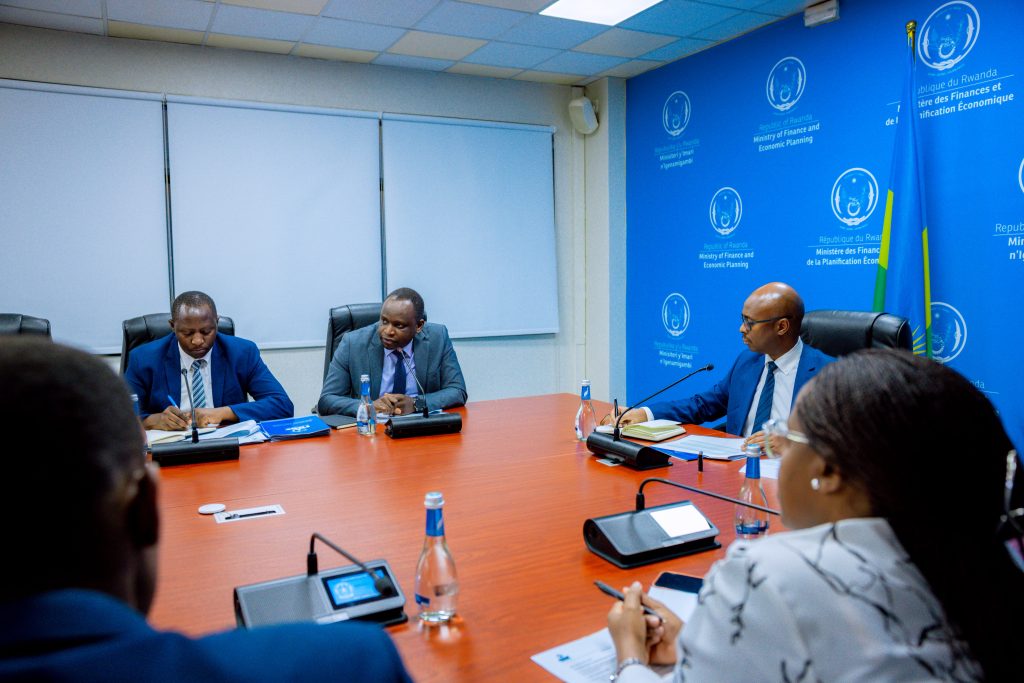
Rwanda’s Minister of Finance and Economic Planning, Yusuf Murangwa, said that the strong economic momentum observed since last year had continued into 2026. He noted that the impact of the conflict in the Middle East had so far remained limited, partly because many essential imports had already been secured.
“The economy grew by 11.8% in the third quarter of last year and by 11.2% in the fourth quarter, which shows that the growth momentum was strong. Generally, when an economy is growing, it continues on that path unless it faces significant disruptions. We are now monitoring the possible effects in the second quarter, but we are not sitting idle. We are doing everything possible to ensure that the impact will not be severe.” He said.
“Our preliminary assessments indicate that there could be some effects, which is why we are accelerating development projects and facilitating investors so they can continue investing.” He added.
Minister Murangwa also noted that authorities are closely monitoring the hotels and restaurant sector, particularly the cost of food supplies, as increases in food prices tend to reduce profitability and output in the industry.
On the other hand, wholesale and retail trade expanded by 11%, while the transport sector also grew by 11%, including a 10% rise in land transport services and a 7% increase in air transport services.
The latest figures underscore the resilience of Rwanda’s economy, with strong performances in exports, industry, trade, and ICT helping sustain robust growth despite uncertainty in the global economic environment.