
Geneva, Switzerland: United Nations Secretary-General António Guterres has called for stronger global rules to govern artificial intelligence (AI), warning that the technology’s rapid growth is outpacing governments’ and international institutions’ ability to oversee it effectively.
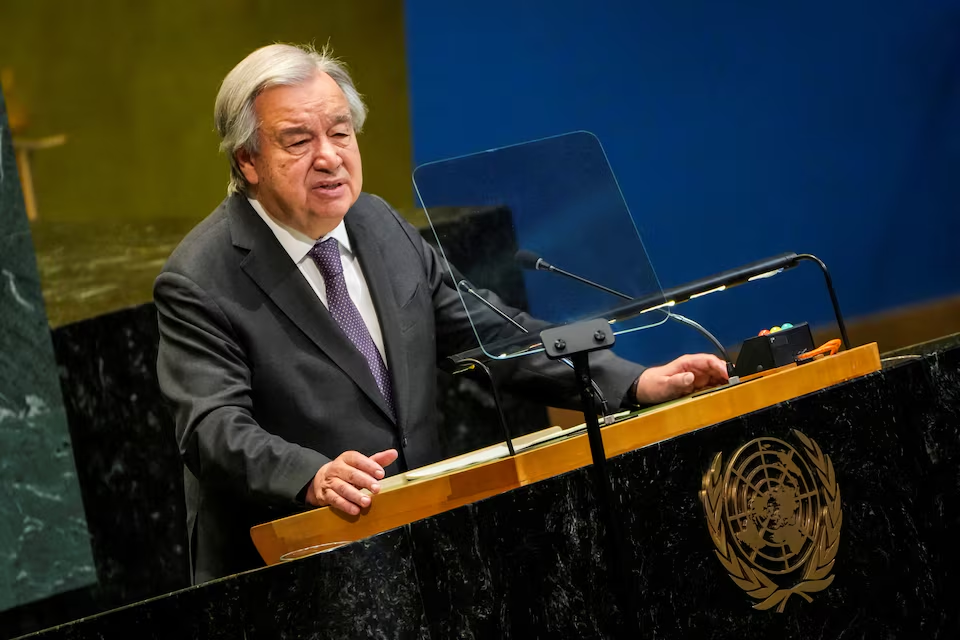
Speaking on Monday during the first-ever United Nations Global Dialogue on AI Governance in Geneva, Guterres said AI has the power to transform economies, reshape workplaces, influence elections, and affect global security, but stressed that urgent safeguards are needed to manage potential risks.
In his remarks, Guterres said, “We may be the last generation able to set the terms on which humanity and machines coexist,” warning that the decisions made today will shape the future relationship between humans and machines.
“A technology that can reshape economies, transform the world of work, sway elections and tilt the balance of security is being deployed faster than anyone, including the people building it, can keep up,” Guterres told delegates.
The UN chief urged countries to develop coordinated approaches to AI governance, saying clear safety measures must accompany innovation.
“Innovation needs guardrails. If AI is to be powerful, it must be governed,” he said.
Protecting Children in the Age of AI
Guterres highlighted children’s safety as one of the most urgent concerns, warning that AI systems are becoming part of young people’s lives before their potential impacts are fully understood.
He called for an AI Child Safety Pledge that would require technology companies to prove their systems are safe before making them accessible to children.
The UN Secretary-General also called for stronger protections against the misuse of AI and urged the creation of an AI Child Safety Pledge based on three key principles: safety testing and oversight, zero tolerance for harmful practices, and crisis support systems for vulnerable users.
When a child is harmed, the answer must never be “the algorithm did it.”
Guterres stressed that AI systems should undergo stronger safety checks before being widely used by children, noting that the technology has entered young people’s lives faster than society has assessed its potential effects.
Concerns Over AI Inequality
Guterres stressed that expanding access to AI could empower developing countries and promote more equal global growth.
He highlighted AI’s potential to drive development and innovation worldwide, calling for greater inclusion so that countries can participate in shaping and benefiting from the future of the technology.
The discussions in Geneva brought together governments, experts, and international stakeholders to explore ways of creating responsible AI governance frameworks. The UN meeting aims to strengthen cooperation on managing AI risks while ensuring that its benefits are shared more widely.
Guterres’ remarks come amid growing global debate over how to balance rapid AI innovation with safety, accountability, and equal access.