
Egypt is making notable progress in sustainable water management after expanding its national water treatment infrastructure to 621 facilities, a development that is strengthening resource efficiency, improving environmental protection, and supporting long-term water availability.
In addition, the achievement highlights Egypt’s growing contribution to Africa’s sustainability journey, as countries across the continent continue embracing innovative technologies and investing in modern infrastructure to promote responsible water use and support inclusive development.
According to the Ministry of Housing, Utilities and Urban Communities, Egypt’s water treatment capacity has now reached approximately 19 million cubic metres per day, following the establishment of new facilities and the modernization of existing systems.
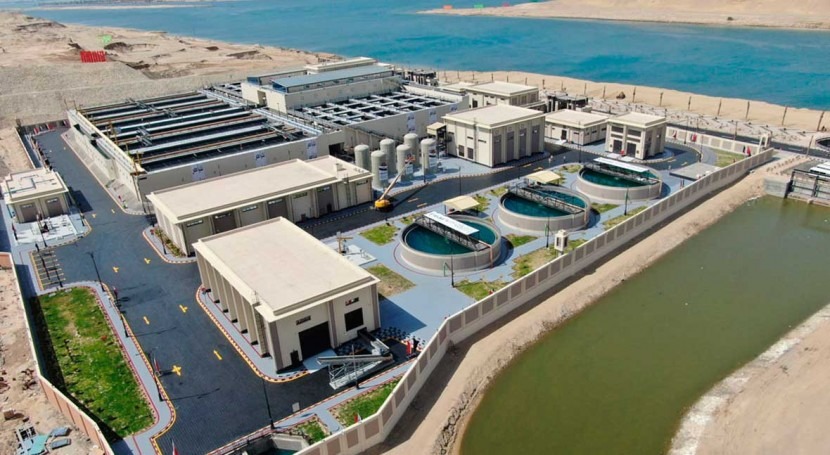
Furthermore, since 2014, Egypt has developed 236 additional treatment facilities, including 47 advanced purification plants that improve water quality and expand opportunities for the safe reuse of treated water in important sectors such as agriculture and industry.
Meanwhile, these investments demonstrate Egypt’s commitment to building climate-resilient infrastructure capable of supporting communities, protecting ecosystems, and strengthening sustainable development. As a result, innovative water management approaches are becoming increasingly important across Africa as nations seek effective ways to maximize available resources.
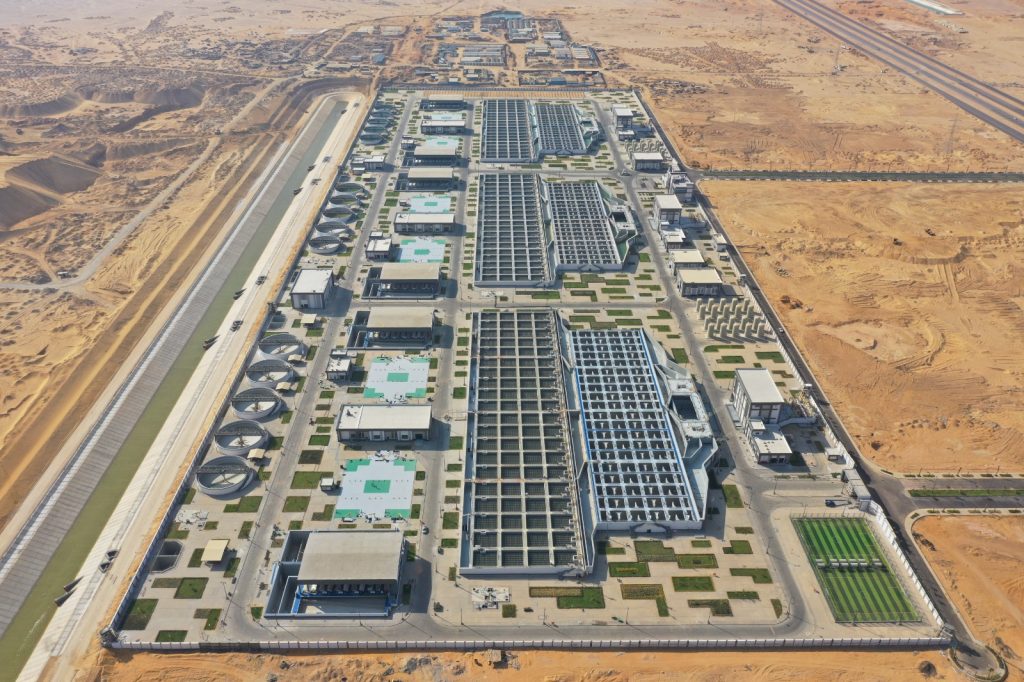
Among the country’s major achievements, the Abu Rawash Water Treatment Plant in Giza stands out as one of the largest facilities of its kind in Africa. The project, which serves approximately 9 million residents, plays a significant role in advancing modern water management and supporting improved living conditions.
The Zagazig Water Treatment Plant continues to contribute to Egypt’s water sustainability efforts, with a capacity of about 160,000 cubic metres per day, helping provide treated water for productive activities and development needs.
Beyond national achievements, Egypt’s continued investment in water infrastructure reflects the increasing role of African countries in developing innovative solutions that combine technology, sustainability, and environmental responsibility.
Looking ahead, growing investment in water innovation across Africa is creating new opportunities to strengthen resource management, support communities, and build a more sustainable future. Egypt’s progress serves as a positive example of how strategic investment and innovation can help advance water security and environmental resilience across the continent.