Kigali, Rwanda, is set to host the 38th Meeting of the Parties to the Montreal Protocol on Substances that Deplete the Ozone Layer (MOP38) from November 2 to 6, 2026, where governments, international organisations, industry representatives and other partners will gather to advance ozone layer protection.
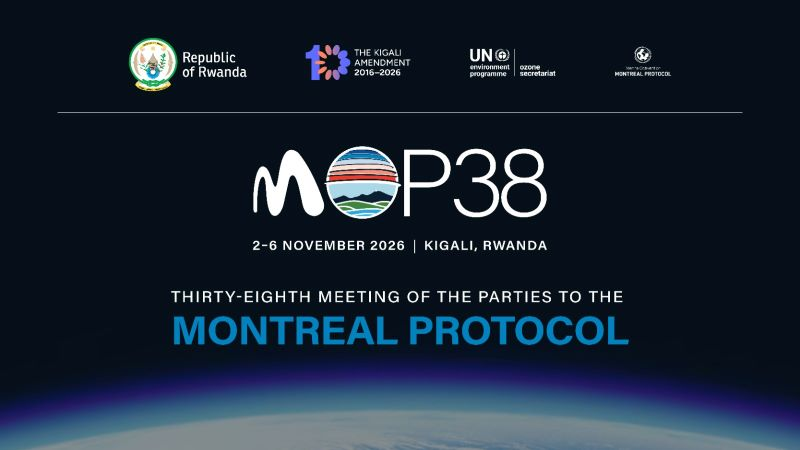
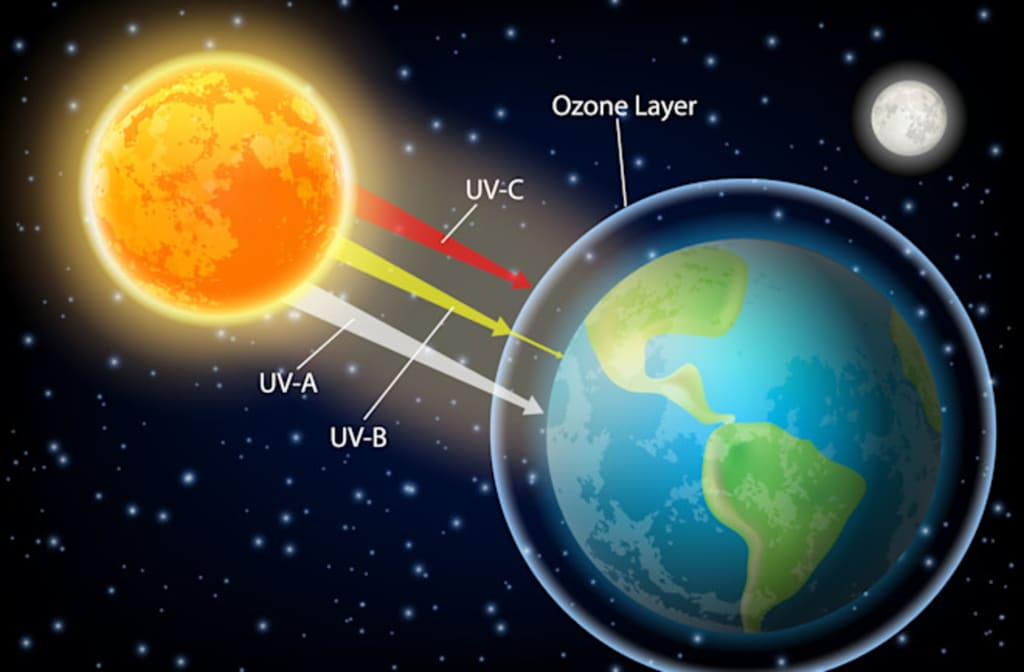
The Montreal Protocol is a landmark international environmental agreement that protects the ozone layer by supporting the global phase-out of ozone-depleting substances.
Therefore, the meeting comes at an important moment for Rwanda and the Montreal Protocol community, as it coincides with the 10th anniversary of the adoption of the Kigali Amendment in October 2016.
The Kigali Amendment commits countries to gradually phase down hydrofluorocarbons (HFCs), powerful greenhouse gases widely used in refrigeration and air-conditioning systems. In this regard, its full implementation could avoid up to 0.5°C of global warming by the end of the century.
Furthermore, when the transition to climate-friendly refrigerants is combined with improvements in energy efficiency, the benefits can extend beyond emissions reductions to lower energy demand and operating costs.
MOP38 will provide an opportunity for countries to review progress, strengthen implementation and encourage universal ratification of the Kigali Amendment.
Minister of Environment Dr Bernadette Arakwiye said: “Rwanda is proud to welcome the world back to Kigali, ten years after countries came together here to adopt the Kigali Amendment. MOP38 is an opportunity to recognise the progress made, while also looking at what more is needed to fully implement the commitments we made.”
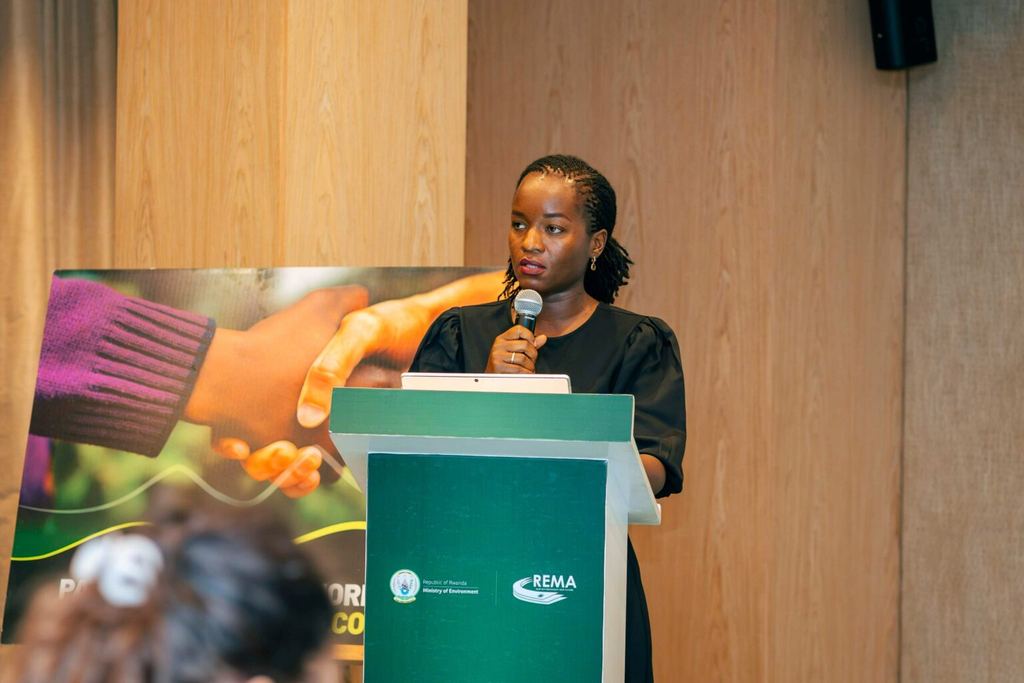
“That means continuing the transition away from high-global-warming HFCs, improving the energy efficiency of cooling equipment, expanding access to sustainable cooling and encouraging all countries to join the Kigali Amendment. These actions can deliver important benefits for the climate, but also for food security, healthcare and economic development.” She added:
Montreal Protocol advances environmental and climate action
The Montreal Protocol is widely recognised as one of the world’s most successful environmental agreements. Over the years, it has enabled the global phase-out of the vast majority of ozone-depleting substances and placed the ozone layer on a path to recovery.
Building on this progress, the Kigali Amendment has also strengthened the Protocol’s contribution to global climate action by addressing HFCs, which are powerful greenhouse gases.
At the same time, as demand for cooling continues to grow, combining low-global-warming refrigerants with more energy-efficient equipment can help reduce emissions while lowering energy demand and operating costs.
Megumi Seki, Executive Secretary of the Ozone Secretariat, said:
“The Montreal Protocol has demonstrated what sustained international cooperation can achieve. Ten years after the adoption of the Kigali Amendment, returning to Kigali gives Parties an opportunity to take stock of progress and strengthen implementation for the next decade.”
“Continuing the HFC phasedown, improving energy efficiency and moving towards universal ratification of the Kigali Amendment will be important to realising its full climate benefits. We look forward to working with Rwanda and all Parties during MOP38.” She added.
Alongside the formal negotiations, Rwanda will host a programme of activities focused on implementation, innovation and sustainable cooling.
Among these activities, a technical workshop at the African Centre of Excellence for Sustainable Cooling and Cold-chain (ACES) will focus on technologies, skills development and sustainable cooling and cold-chain systems in support of the Kigali Amendment.
Meanwhile, activities marking 10 years since the adoption of the Kigali Amendment will provide an opportunity to reflect on progress made and look ahead to the next phase of implementation.
In addition, an Innovation Exhibition at the Kigali Convention Centre will showcase climate-friendly cooling and cold-chain technologies, bringing together manufacturers, industry leaders, financiers and development partners.
Furthermore, a Partnership Forum will focus on advancing the future of the Montreal Protocol and strengthening cooperation among stakeholders.
Through these activities, the meeting will connect policy discussions under the Montreal Protocol and Kigali Amendment with the technologies, investment and partnerships needed to support implementation on the ground.
The 38th Meeting of the Parties to the Montreal Protocol is expected to attract up to 1,000 participants to Kigali, bringing together global partners to discuss practical steps towards protecting the ozone layer and advancing climate-friendly cooling solutions.