
Iran has called for a negotiated settlement to its conflict with the United States and Israel after US President Donald Trump rejected a proposal from Tehran aimed at reopening the Strait of Hormuz and reducing regional fighting.
Iranian Foreign Minister Abbas Araqchi said on Sunday that Tehran had clearly stated its conditions for reopening the strategic waterway. He said the situation could only be resolved through negotiations.
Iran presented its proposal during the United Nations General Assembly in New York last week. According to Iranian officials, the plan was delivered to Washington through Qatari mediators.
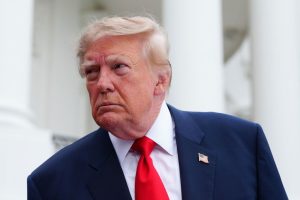
Trump said on Saturday that he had rejected the proposal, arguing that Iran was seeking to reopen the Strait because of pressure caused by the conflict. However, he also said US negotiators were expected to hold further talks with Iran during the week.
Araqchi said Iranian officials had not yet received an official message from the mediators confirming Washington’s rejection. He said Tehran would consider its next steps after receiving the US position through diplomatic channels.
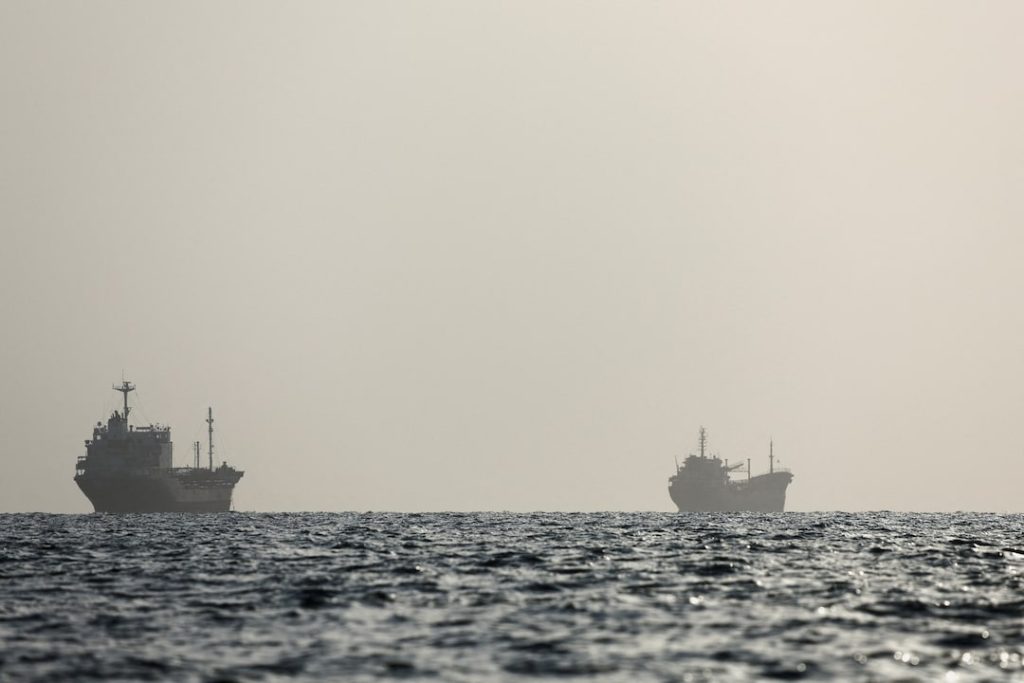
The Strait of Hormuz remains central to the conflict because it is an important route for global energy shipments. Fighting and restrictions around the waterway have sharply reduced shipping and disrupted oil flows, adding pressure to the global economy.
The conflict has also spread across the region. Iran has launched attacks against US allies in the Gulf, while the Iran-backed Houthi movement in Yemen has carried out attacks affecting Saudi Arabia.
Saudi Arabia has become increasingly involved in the conflict as Houthi forces have advanced in Yemen and threatened routes linked to Saudi oil exports. Saudi schools in Riyadh were also reported to be moving classes online for a week, although authorities did not immediately give a reason.
In Yemen, Houthi authorities said a strike on a market in Taiz province killed seven people and injured 40 others. Yemen’s internationally recognised government later said its forces had targeted a Houthi military site and vehicles in the same area.
US officials say Iran’s proposal required sanctions to be lifted and frozen Iranian assets released before broader negotiations. US envoy to the UN Mike Waltz said Washington was not convinced Tehran was prepared to negotiate seriously over its nuclear programme.
Iranian President Masoud Pezeshkian, however, said his country was ready to discuss its nuclear programme and other issues, while rejecting what he described as pressure or coercion.
The latest statements leave diplomacy open despite the rejection of Iran’s initial proposal, with further talks expected as both sides seek a way to reduce the conflict.