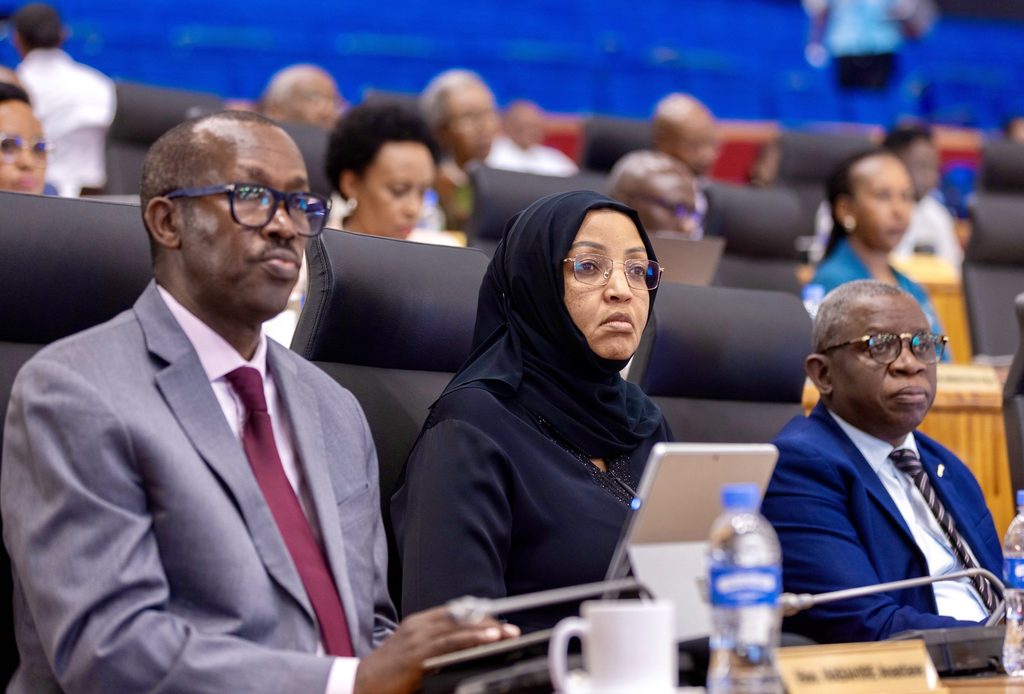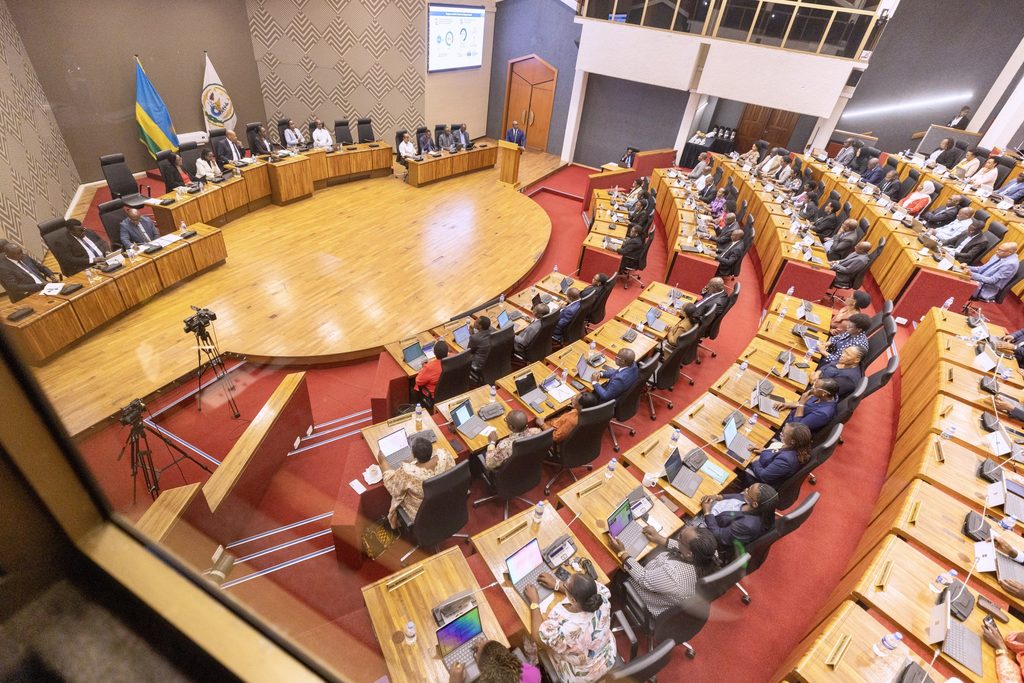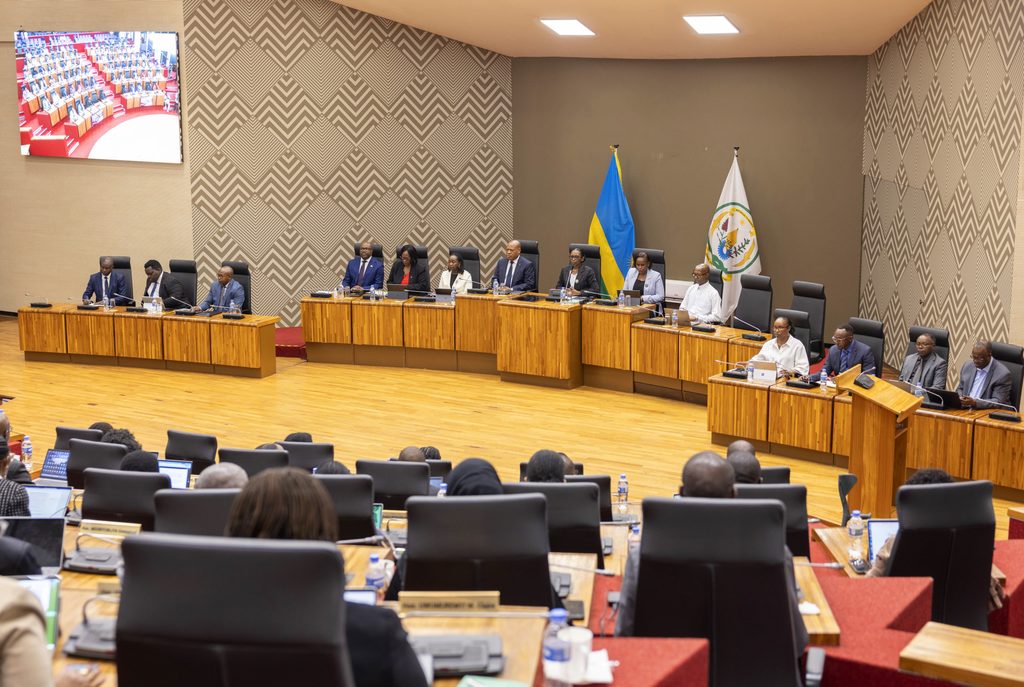
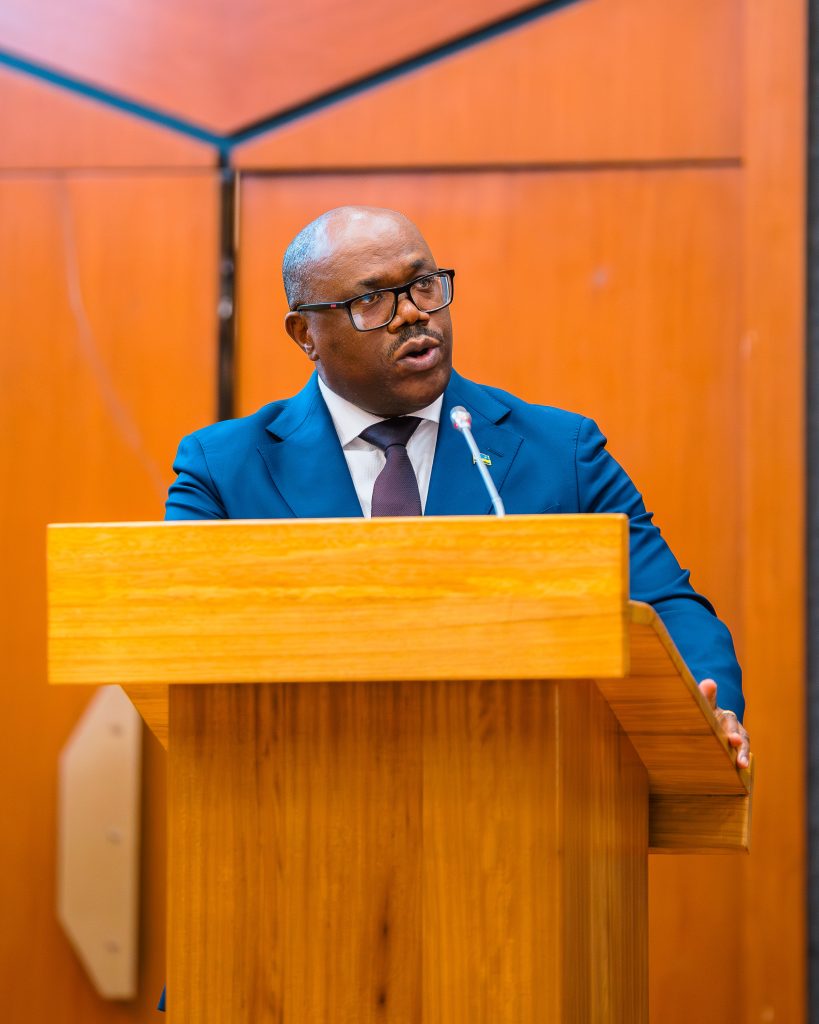

He made the remarks on October 2, 2026, during a session with members of both chambers of Parliament, where he discussed developments in the country’s financial sector.
“Specifically, exports increased from $1.9 billion, equivalent to more than RWF 2.8 trillion, in 2017 to $3.5 billion, or over RWF 5.2 trillion, in 2025, representing an increase of 84%,” he said.
The Prime Minister added that imports also rose during the same period, reaching nearly $6 billion, equivalent to more than RWF 8.8 trillion, in 2025, up from slightly over $3 billion, or more than RWF 4.4 trillion, in 2017.
As a result, the trade deficit—the gap between the value of exports and imports—reached $2.4 billion, equivalent to more than RWF 3.5 trillion, in 2025.
Dr Nsengiyumva acknowledged that the gap between exports and imports remains a challenge but said the government continues to manage the country’s foreign exchange reserves to ensure Rwanda can finance its imports and withstand economic shocks originating from international markets.
“We are pleased that our foreign exchange reserves remain above the minimum threshold set by the country, which is equivalent to the amount needed to cover four months of imports without any additional inflows,” he said.
He added that the growth in foreign exchange reserves, alongside reforms aimed at improving the management of the foreign exchange market, had helped maintain the stability of the Rwandan franc against other currencies.
Against the US dollar, the Rwandan franc depreciated by 4.4% in 2025, compared with a depreciation of 9.4% in 2024, according to the Prime Minister.
During the first six months of 2026, the Rwandan franc continued to show relative stability, depreciating by just 0.87%.