
The allegations prompted Brazil’s Superior Electoral Court (TSE) to give Meta 48 hours to explain problems reported on social media platforms used by Lula’s campaign team.
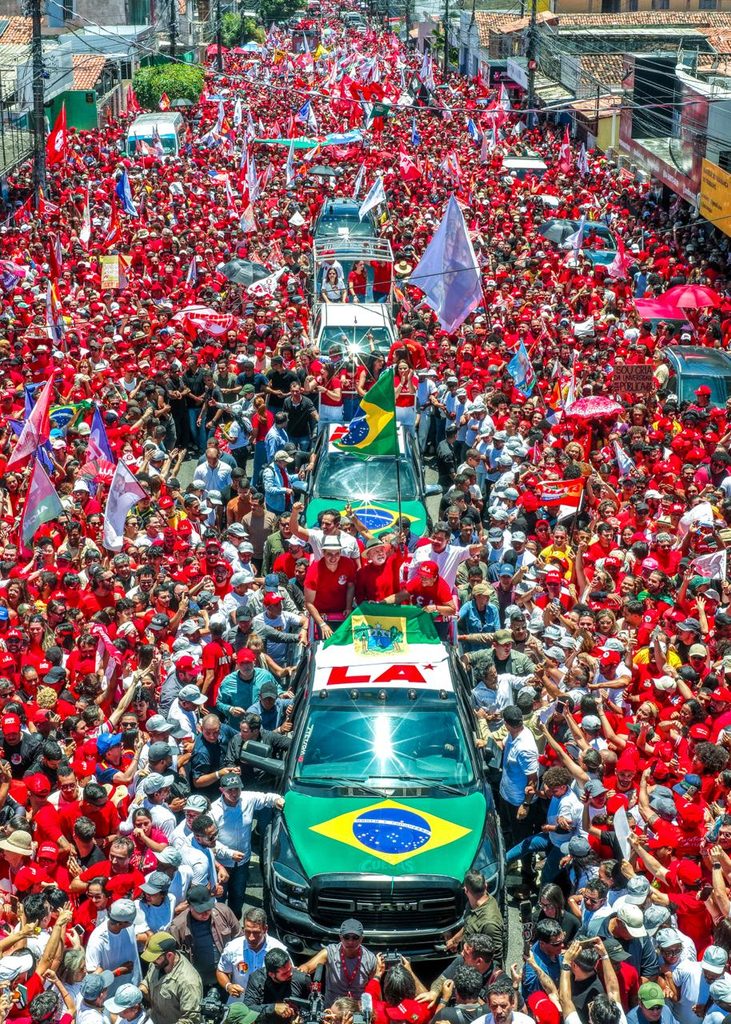
On Saturday, October 10, 2026, Lula’s campaign team alleged that Meta had reduced the number of people reached by his campaign messages as the country prepared for the second round of voting, scheduled for October 25.
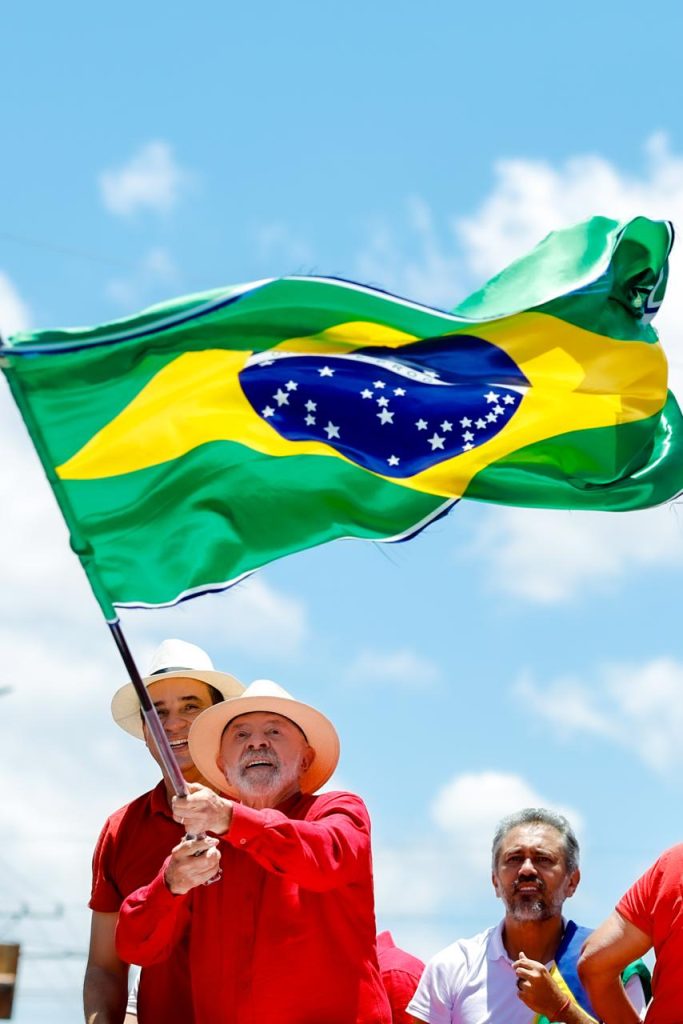
Lula, who is seeking a fourth non-consecutive term in office, will face Senator Flávio Bolsonaro, the son of former Brazilian President Jair Bolsonaro.
Flávio Bolsonaro received the highest number of votes in the first round of the election, held on October 4, 2026.
Lula’s campaign team said Meta had prevented his Instagram account from promoting some of his posts and that the view counts for certain messages had also experienced problems.
The team further claimed that, before the first round of voting, Lula’s accounts and those of other politicians aligned with him had disappeared from Instagram search results.
“The series of technical problems reported raises serious concerns that Meta’s actions may be intended to interfere in Brazil’s elections in an effort to help Flávio Bolsonaro win,” the campaign team said.
The Superior Electoral Court ordered Meta to provide explanations for each of Lula’s accounts, detailing the measures taken against them and explaining why the view counts for his posts had been affected.
Meta, however, denied the allegations, saying it had taken no action intended to disadvantage any particular candidate.
“These allegations are simply false and are not supported by any concrete evidence,” the company said.
Meta explained that the reported technical problems were not limited to Brazil, adding that it complies with electoral laws and provides users of its platforms with equal opportunities.
The court has not yet issued a ruling establishing that Meta interfered in the election, as Lula and Flávio Bolsonaro continue their campaigns ahead of the runoff.