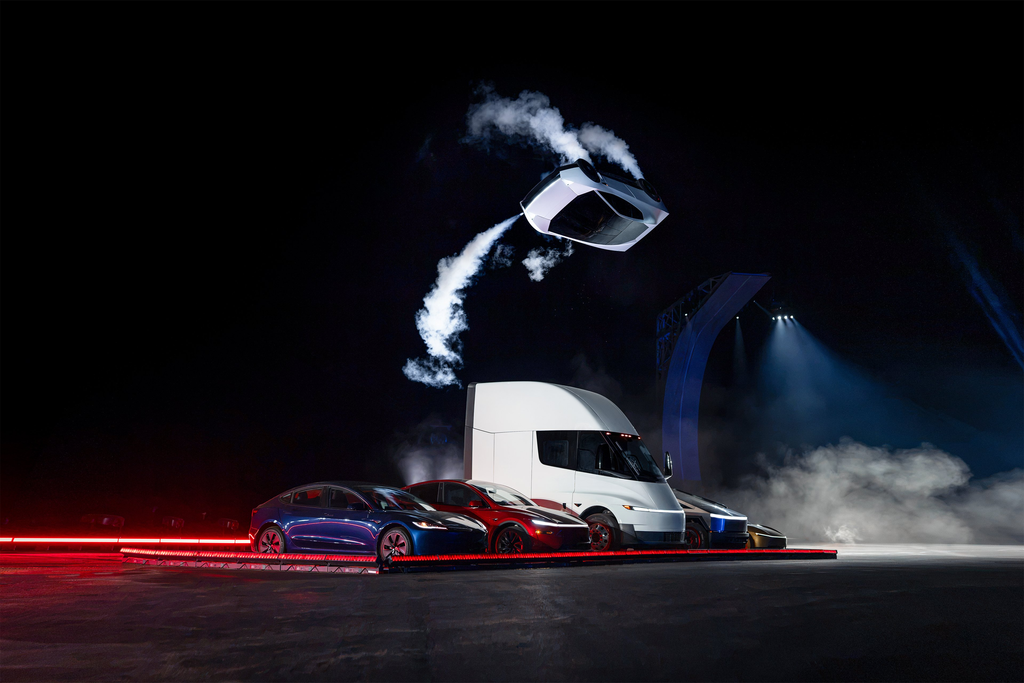

Tesla CEO Elon Musk has presented a new version of the Roadster electric sports car featuring rocket-inspired propulsion technology, claiming the vehicle can perform aerial stunts while delivering exceptional acceleration.
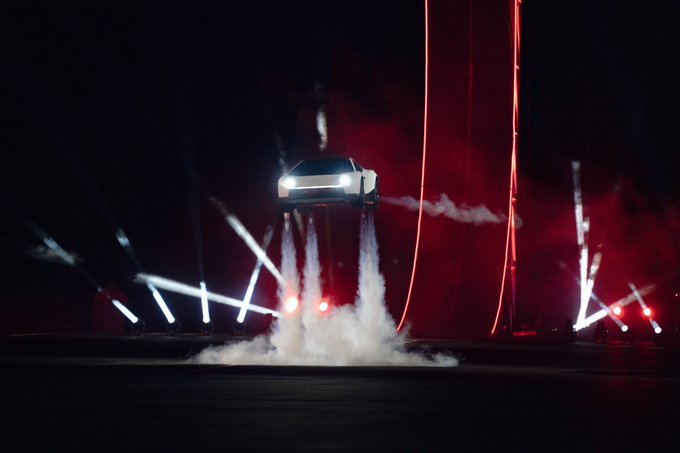
The car was introduced on October 15 at a SpaceX test facility in McGregor, Texas. During the presentation, it performed several remarkable manoeuvres, moving upside down along a ramp before spinning in the air and landing with the help of its built-in thrusters.
The car also demonstrated its ability to jump over other vehicles, highlighting technology developed through collaboration between Tesla and SpaceX, both led by Musk.
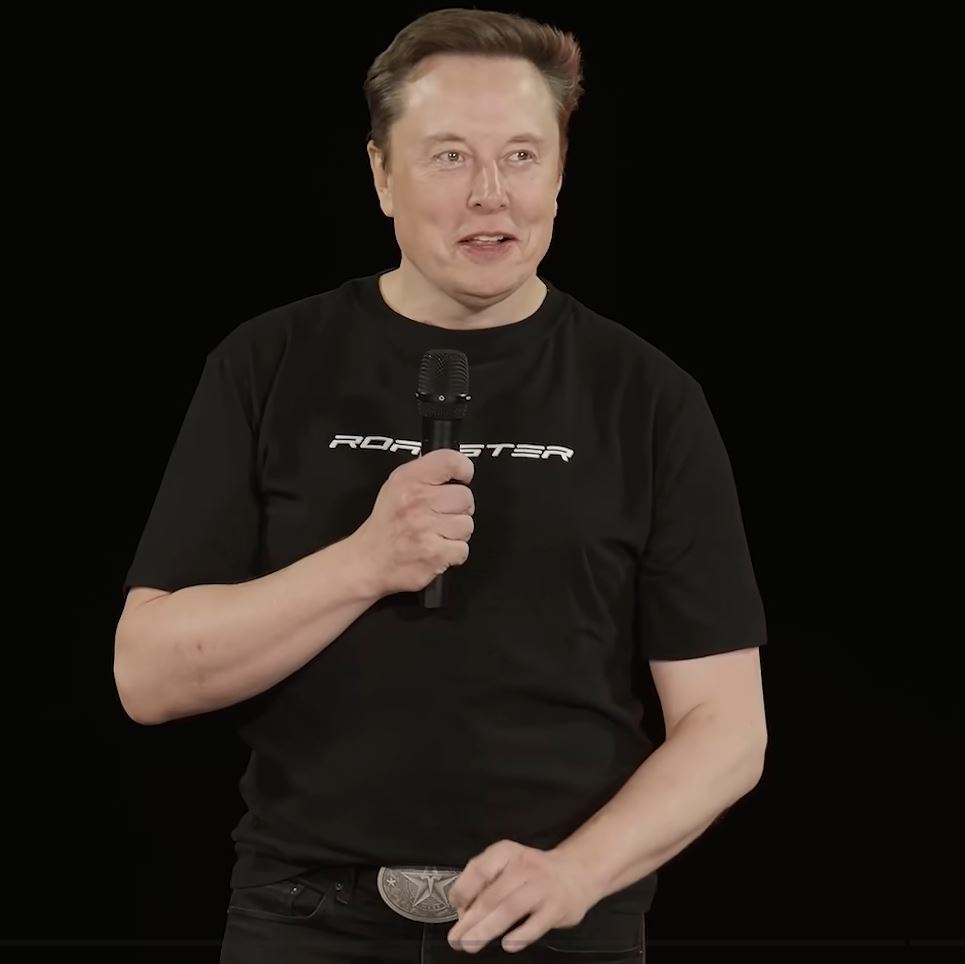
Addressing the uncertainties surrounding the innovation, Musk told the audience: “Success is not guaranteed. I mean that. It’ll probably work, but if it doesn’t work, we’re at a safe distance.”
For safety reasons, the demonstration took place without anyone behind the wheel.
Tesla says the redesigned Roadster can accelerate from a standstill to 60 miles per hour (97 kilometres per hour) in under a second. In addition, the company claims the vehicle can achieve speeds exceeding 230 mph (370 km/h) and cover more than 300 miles (480 kilometres) before requiring another charge.
The propulsion system incorporates 10 nozzles connected to what Musk called “ultra high-pressure air tanks”. According to the company, this technology is intended to generate the force needed for aerial manoeuvres while enhancing the car’s acceleration capabilities.
The demonstration highlighted the Roadster’s potential for exciting airborne manoeuvres, opening new possibilities for combining high-performance driving with advanced flight technology. Further development could help expand its capabilities and bring the concept of flying cars closer to reality.
Musk has set 2028 as the target for the start of production. However, the project has experienced substantial delays since Tesla first presented a prototype of the second-generation Roadster in 2017, when deliveries were initially expected in 2020.
Regarding its cost, Tesla has not confirmed the vehicle’s final retail price. However, the company’s reservation page lists a Performance model requiring a $50,000 deposit, while the Thrust edition, equipped with acceleration thrusters, requires $250,000. Meanwhile, a Rocket version advertised as having a complete flight system is available exclusively by invitation.
The new model arrives as Tesla continues to shift towards artificial intelligence, autonomous driving systems and robotics. At the same time, the company faces pressure to strengthen its traditional electric vehicle business.
The Roadster reflects Musk’s ambition to introduce advanced aerospace technology into the automotive sector. However, whether the vehicle can fulfil its flying capabilities, reach the market in 2028, and deliver on its advertised performance will depend on further development and testing.