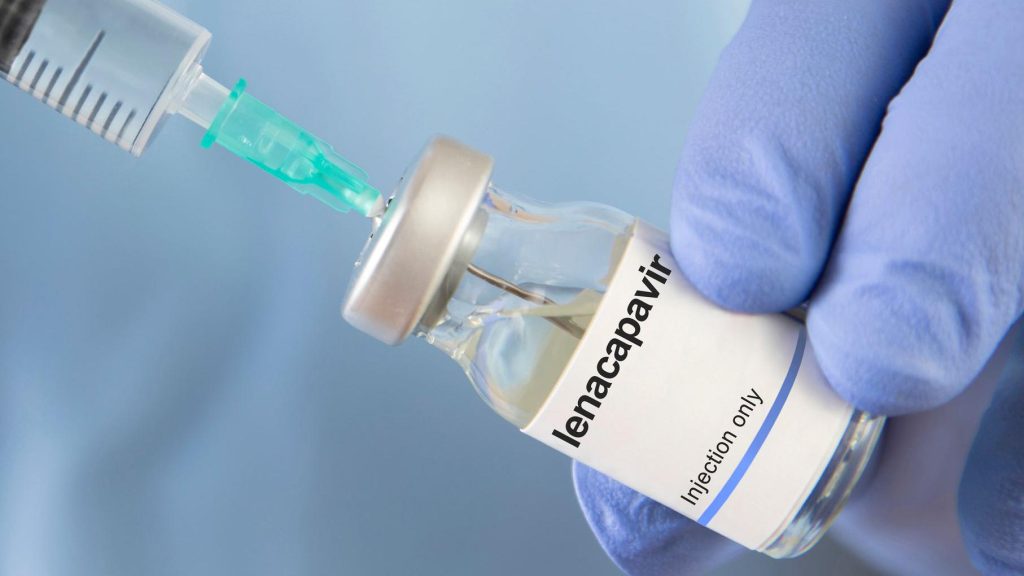

Rwanda to Roll Out Six-Month HIV Prevention Injection Lenacapavir by Year-End
Rwanda is set to introduce a new long-acting HIV prevention injection, lenacapavir, by the last quarter of this year, expanding the country’s range of pre-exposure prophylaxis (PrEP) options and strengthening efforts to curb new HIV infections.
According to the Rwanda Biomedical Centre (RBC), lenacapavir will be administered once every six months and will be offered alongside existing PrEP methods, including daily oral pills and the two-monthly injectable cabotegravir. The new option is expected to improve adherence, especially for people who find it difficult to take daily medication.
PrEP, or Pre-Exposure Prophylaxis, is a medical approach that allows HIV-negative individuals to protect themselves from acquiring the virus before exposure. When used correctly, PrEP reduces the risk of sexually transmitted HIV by more than 99 per cent by preventing the virus from establishing itself in the body.
Speaking to The New Times, Dr Zephanie Nzeyimana, the HIV Key Population Strategic Officer at RBC, said the fourth-quarter rollout will allow time for regulatory approvals, training of health workers, and preparation of health facilities.
“Lenacapavir is likely to be available in the country in quarter four of this year. Some processes still need to be completed before it can be introduced in health facilities,” he said.
Lenacapavir provides six months of protection per injection and works by blocking HIV at multiple stages of its life cycle, stopping the virus from multiplying if it enters the body. Clinical trials have shown the drug to be highly effective and safe, with only mild side effects such as temporary pain at the injection site.
Once introduced, eligibility will be determined using a risk-based approach to ensure the drug reaches people at substantial risk of acquiring HIV, including female sex workers, men who have sex with men, and HIV-negative partners in sero-discordant relationships. However, access will not be limited to these groups, as healthcare providers will assess individual risk using behavioural and epidemiological criteria.
Users will receive counselling at the time of injection, guidance on possible side effects, regular HIV testing, and risk-reduction advice. Screening for other sexually transmitted infections will also be provided where necessary.
Lenacapavir is manufactured by the United States-based pharmaceutical company Gilead Sciences and is marketed for HIV prevention under the brand name Yeztugo. It was first approved by the U.S. Food and Drug Administration on June 18, 2025, as a twice-yearly injectable PrEP for adults and adolescents at risk of sexually acquired HIV.
RBC has confirmed that the injection will be provided free of charge in public health facilities, with some related services covered under existing health insurance schemes, including community-based health insurance. The centre and its partners will also conduct nationwide training and community outreach to raise awareness and address misinformation about the new prevention option.
Several countries in Southern and Eastern Africa, including Zambia, Zimbabwe, South Africa, Eswatini, Botswana, Malawi, Tanzania, and Uganda, have already approved or are preparing to introduce lenacapavir, reflecting growing regional momentum toward long-acting HIV prevention solutions.
Health officials say the introduction of lenacapavir will give people more choice, convenience, and control in protecting themselves from HIV, supporting Rwanda’s broader goal of reducing new infections and moving closer to ending AIDS as a public health threat.