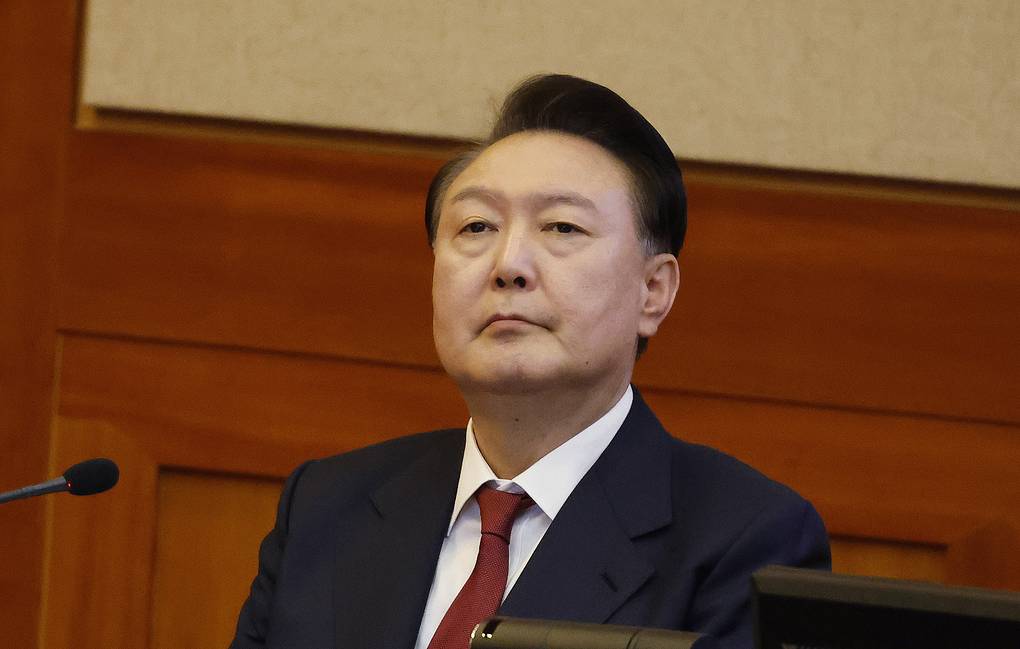
South Korea’s former president Yoon Suk Yeol has been found guilty in the first of four criminal trials stemming from his failed attempt to impose martial law in 2024, marking a dramatic fall for a leader who once stood at the centre of the country’s democratic institutions.
A Seoul court on Friday convicted Yoon of abuse of power, falsifying official documents and obstructing justice, sentencing him to five years in prison. The ruling comes more than a year after his brief martial law decree plunged the country into political crisis, triggered mass protests and ultimately led to his impeachment by parliament.
Prosecutors said Yoon misused state authority to bypass constitutional procedures, including failing to convene a full cabinet meeting before issuing the decree and attempting to block his arrest by deploying security forces around his residence. In January last year, thousands of police officers were involved in a tense operation to take him into custody after an earlier attempt was thwarted by a human barricade of presidential guards.
The court found that Yoon had deliberately sought to evade the law and conceal wrongdoing, undermining democratic checks and balances. Legal experts say the verdict establishes accountability for actions that, in their view, tested the resilience of South Korea’s institutions.
The former president now faces three additional trials, including the most serious charge of insurrection. Under the constitution, sitting presidents are immune from prosecution except for treason and rebellion. Prosecutors argue that Yoon’s decision to deploy troops and police around the National Assembly, and his alleged orders to detain senior political figures, amounted to an attempt to subvert constitutional order.
Another case will examine allegations that Yoon sought to provoke tensions with North Korea to justify emergency rule, including claims of unauthorised drone operations and military manoeuvres. He is also charged with perjury and with interfering in other investigations, as well as violating election laws.
The unfolding legal saga has kept South Korea deeply polarised, with supporters and critics of Yoon regularly taking to the streets. Analysts warn that the outcome of the remaining trials will not only determine Yoon’s personal fate, but could also shape how the country confronts abuses of executive power in the future.
While South Korea has not carried out an execution in decades, prosecutors have sought the harshest penalties in the insurrection case, arguing that Yoon’s actions posed a grave threat to constitutional rule. Whether the courts opt for symbolic punishment or the maximum sentence, many observers believe the proceedings will become a defining moment in the nation’s democratic history.