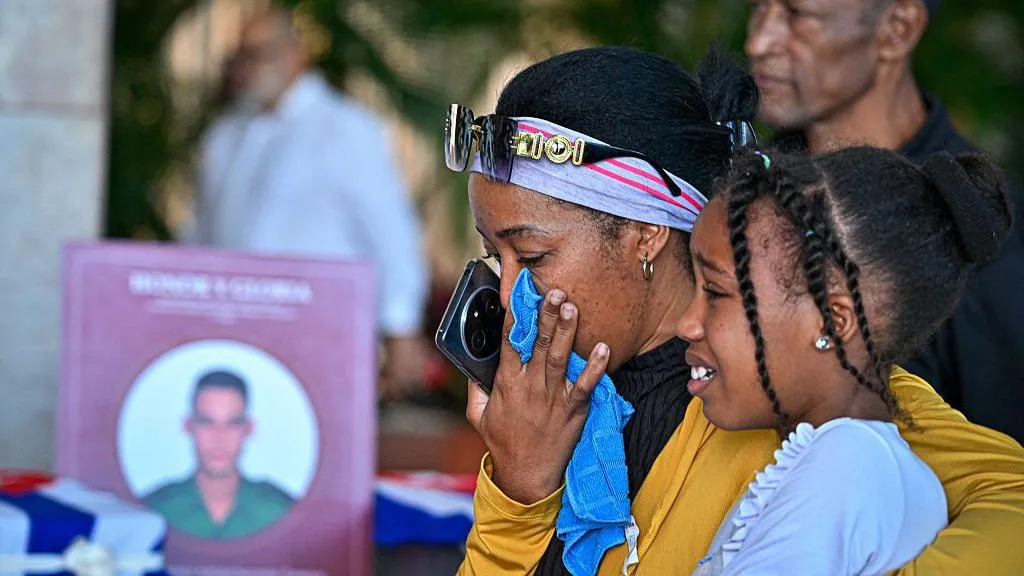
Cuba is grappling with one of the most devastating losses of its military personnel abroad in decades after 32 Cuban troops were killed during a U.S. military operation in Venezuela. The country paid tribute to the fallen in a solemn funeral procession from Havana’s airport to the Ministry of the Armed Forces, where President Miguel Díaz-Canel, former President Raúl Castro, and other top officials received the cremated remains. Each box, draped in the Cuban flag, was displayed alongside photographs of the soldiers and intelligence officers under the inscription “honour and glory.”
The deaths mark the largest loss of Cuban combatants at the hands of U.S. forces since the Bay of Pigs invasion in 1961, underscoring the rarity of such direct confrontations between the island’s military and U.S. troops over the past six decades. Analysts say the outcome was unsurprising given the elite capabilities of U.S. Delta Force operatives, but the loss has sent shockwaves through Havana, where grieving families and colleagues mourned publicly.
For years, the Cuban government had denied the presence of its intelligence officers embedded within Venezuela’s power structures. The incident has forced Havana to acknowledge the reality: Cuban operatives played a central role in supporting Nicolás Maduro’s regime, sharing decades of experience in security, intelligence, and power consolidation. The 32 lives lost on Venezuelan soil were part of that broader cooperative effort.
The timing of the U.S. operation has intensified uncertainties for Cuba’s regional strategy. In the aftermath, Venezuela’s interim leadership engaged in unexpected diplomatic outreach with the Trump administration, signaling a potential shift in U.S.-Venezuelan relations that may leave Cuba’s influence diminished.
Veterans like 88-year-old Victor Dreke, a contemporary of Fidel Castro and Che Guevara, view the events through the lens of historical precedent. Dreke, who led Cuban forces during the Bay of Pigs, argued that Cuba remains capable of defending itself if U.S. forces ever set foot on its territory. “If the Americans put a single foot on Cuban soil, it won’t be like their ambush in Venezuela,” Dreke said.
Back home, the losses come at a particularly difficult moment for Cuba. The island is facing persistent power outages, economic stagnation, and fuel shortages, compounded by the lingering effects of the U.S. embargo and pandemic-related disruptions to tourism. The Venezuelan alliance, once a key pillar of Havana’s regional influence, now feels increasingly precarious.
State media have shown reservists undergoing weapons training, a reminder that Havana is preparing for uncertainty without signaling escalation toward Washington. “Cuba doesn’t want conflict with the United States,” Dreke said, “but that doesn’t mean we won’t be ready.”
The deaths of these 32 troops serve as both a stark human toll and a strategic reckoning, highlighting the risks inherent in Cuba’s longstanding foreign commitments and raising questions about the future of its military and diplomatic posture in the Americas.