
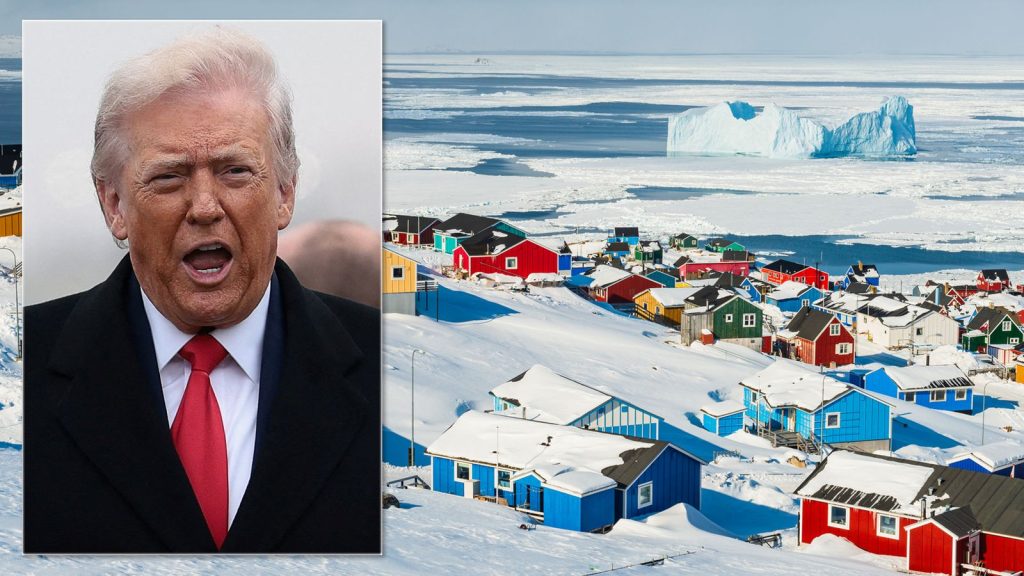

Tensions between the United States and its European allies eased this week after former US President Donald Trump signalled a climbdown from earlier threats linked to Greenland, following high-level talks with Nato leaders at the World Economic Forum in Davos. Trump said a “framework” for a long-term deal concerning Greenland had been discussed, while stressing that he would not use force and confirming that planned tariffs on several European countries were no longer being pursued.
Despite Trump’s bold language, diplomatic sources were quick to underline that there is no agreement granting the United States control or ownership of Greenland, an autonomous territory within the Kingdom of Denmark. Nato Secretary General Mark Rutte clarified that discussions focused on strengthening Arctic security and preventing Russia and China from gaining a military or economic foothold in the region, rather than challenging Danish sovereignty.
Denmark’s Prime Minister Mette Frederiksen struck a firm tone, reiterating that while Copenhagen is open to negotiations on security, investment and economic cooperation, sovereignty is “not negotiable”. She confirmed that Denmark has remained closely coordinated with Greenland’s government and Nato throughout the process, and that any future arrangements must respect territorial integrity.
Behind the scenes, coordinated diplomacy played a key role in calming the situation. The UK government, led by Prime Minister Keir Starmer, publicly backed Denmark and worked closely with allies to promote a collective approach to Arctic security, helping to defuse a dispute that had raised wider concerns about the stability of transatlantic relations.
Alongside the Greenland talks, Trump used Davos to launch his proposed “Board of Peace”, an international body he says will focus on global peace-building. However, the initiative has already attracted scepticism from some allies, particularly over its structure and the potential involvement of figures such as Russia’s President Vladimir Putin.
While the immediate crisis has cooled, the episode has left lingering questions about the future US role in the Arctic, the durability of alliances under pressure, and whether recent diplomatic relief marks a lasting reset or merely a pause in an increasingly unpredictable global landscape.