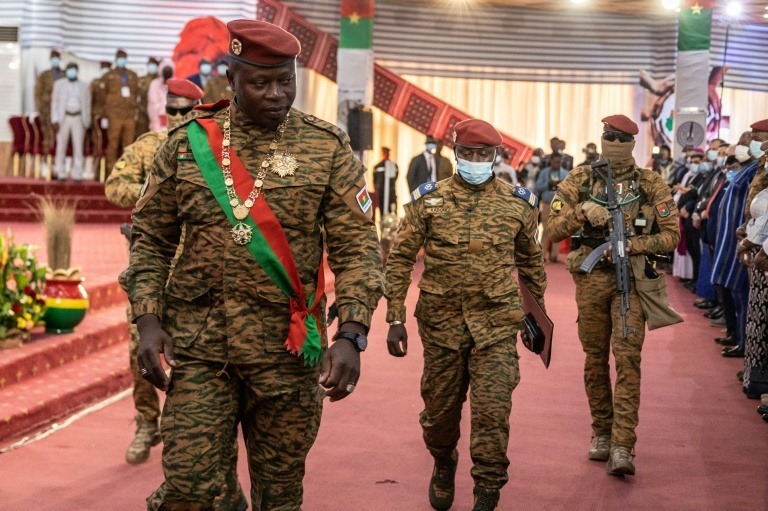

Togo has extradited former Burkinabè leader Paul-Henri Sandaogo Damiba to Burkina Faso, a move seen by experts as part of Lomé’s broader diplomatic, security, and economic ambitions in the Sahel region. Damiba, a former lieutenant-colonel, seized power in Burkina Faso in January 2022 after ousting the elected president, Roch Kaboré, only to be overthrown by Captain Ibrahim Traoré in September 2022. Since his removal, Damiba has been accused by the Burkina Faso junta of masterminding several coup attempts, including one in early January 2026.
Damiba fled to Togo following his overthrow. On January 16, 2026, he was arrested in Lomé, and the next day handed over to Burkina Faso authorities after the Togolese court approved his extradition. He faces multiple charges, including criminal embezzlement of public funds, illicit enrichment, corruption, incitement to commit crimes, aggravated concealment, and money laundering. Togo’s government cited guarantees from Burkina Faso ensuring Damiba’s physical safety, right to a fair trial, and exemption from the death penalty as justification for the handover.
Observers note that Togo’s decision aligns with its strategic outreach to the Alliance of Sahel States (AES)—the military-led coalition of Burkina Faso, Mali, and Niger. By extraditing Damiba, Togo seeks to strengthen ties with these neighboring countries while leveraging its ports in Lomé and Tema for regional trade and security cooperation. The move also positions Lomé as a key intermediary for intelligence sharing with the United States, as Western engagement in the Sahel remains limited following a series of military coups.
While newspapers in Burkina Faso lauded the extradition, critics in Togo have questioned President Faure Gnassingbé’s approach, arguing it violates the country’s tradition of granting refuge to deposed leaders. Legal experts, however, caution that Damiba remains exposed to serious risks, particularly given Burkina Faso’s reintroduction of the death penalty last year for crimes including high treason. Supporters of the Sahel juntas have already called for harsh measures against him, highlighting the high stakes surrounding his return.
The extradition underscores the growing political and security complexities in West Africa, where regional alliances, internal power struggles, and international diplomacy intersect, leaving former leaders like Damiba at the center of geopolitical calculations.