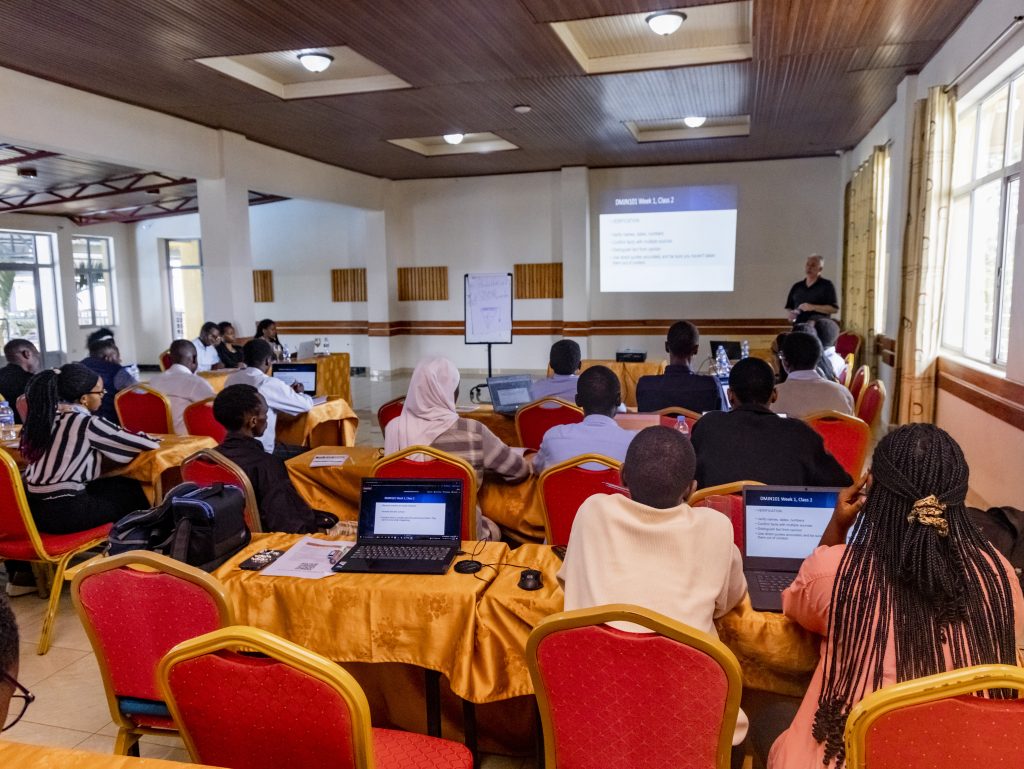
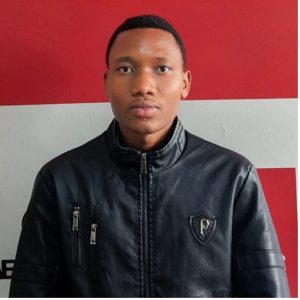
Nearly 30 journalism students from East African University Rwanda (EAUR) and the Institut Catholique de Kabgayi (ICK) have completed a four-day specialized training in investigative reporting and data journalism, organized by FOJO Media Institute through the Rwanda Media Programme.
The training, held from January 19 to 22, 2026, in Muhanga, aimed to strengthen practical newsroom skills and bridge the gap between classroom theory and real-world journalism practice.
Mr. Fulgence Niyonagize, FOJO’s Media Coordinator, described the program as a vital platform for learning, professional exchange, and capacity building among future journalists.
“The program enabled participants to interact directly with an experienced investigative journalist, exchange ideas, and gain insights that are critical to strengthening journalism practice in Rwanda,” he noted. He added that such initiatives contribute to improving the overall quality and credibility of media reporting.
Students said the hands-on approach significantly enhanced their skills and understanding of journalism’s role in society.
Munezezero Gilga Allan, a journalism student at EAUR, said the training reshaped his perspective on investigative reporting and professional ethics.
“This training strengthened my news writing and investigative skills and showed me how journalism can be used to inform, educate, and advocate for the public,” Allan said. “It reinforced the importance of being fair, truthful, and balanced, especially when reporting on sensitive issues.”
He added that the practical nature of the sessions allowed participants to acquire skills that are often difficult to gain through theory alone.
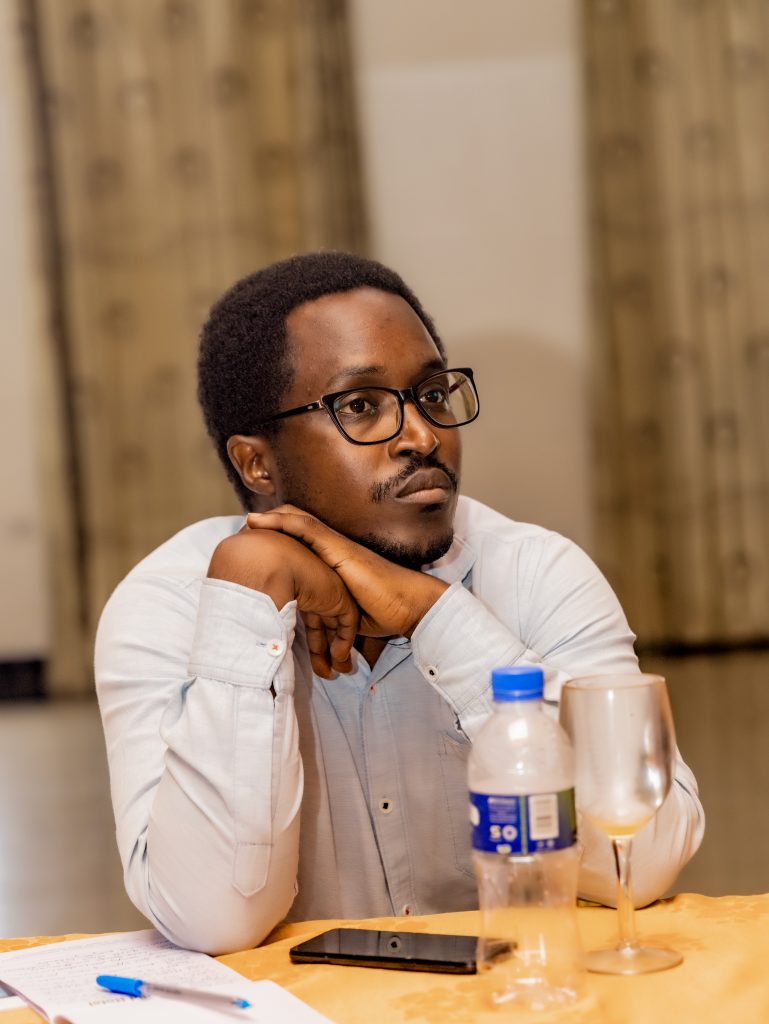
Similarly, Teta Meghan Iribagiza from ICK highlighted the impact of the data journalism component.
“I was surprised by how much even simple data can strengthen an investigation; when analyzed properly, it can reveal stories that are not immediately visible and make reporting more accurate and credible,” Meghan said.
She noted that the training reaffirmed journalism’s watchdog role, stressing the responsibility of the media to serve the public interest, hold power to account, and amplify underrepresented voices.
The sessions were facilitated by veteran Canadian journalist Steve Buist, who has more than 40 years of experience in investigative reporting and editing. A former senior reporter at The Hamilton Spectator and The Toronto Star, Buist has won five National Newspaper Awards, been nominated 13 times, and was named Canadian Investigative Journalist of the Year three times. He has also received the Ontario Journalist of the Year award five times and the 2014 European School of Oncology prize for cancer reporting.
Buist said the training was designed to equip students with practical, newsroom-ready skills.
“Good investigative journalism starts with asking the right questions, verifying every fact, and using data and documents to support what you are reporting,” Buist said. “Our goal was to help these students learn how to find strong story ideas, work with evidence, and tell accurate, compelling stories that can make a real difference in their communities.”

The program focused on news reporting, news writing, investigative and data journalism, as well as health reporting, with strong emphasis on ethics, professionalism, and social responsibility. It concluded with practical exercises and group discussions to reinforce these principles.
The training forms part of FOJO’s five-year media capacity-building programme in Rwanda, launched in 2021, which seeks to promote professional, ethical, and impactful journalism across the country.