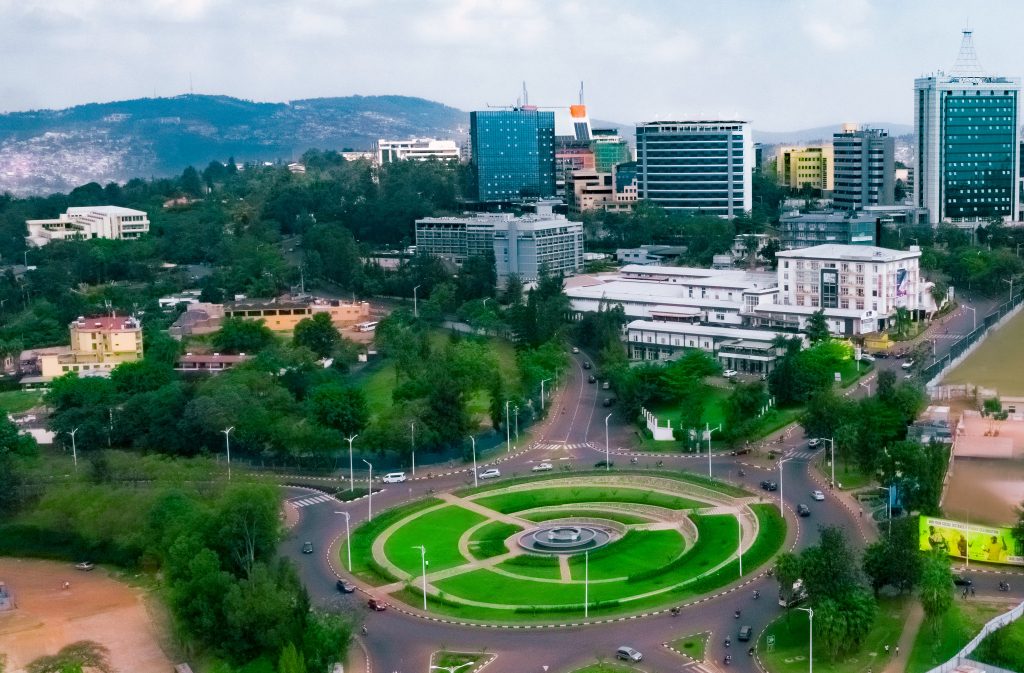

Kigali, Rwanda – Rwanda’s labour market is showing clear signs of recovery, with the latest Labour Force Survey (LFS) Q4 2025 from the National Institute of Statistics of Rwanda (NISR) revealing a decline in unemployment and a rise in non-agricultural employment.
The survey shows that the overall employment-to-population ratio increased to 56.7%, up from 54.6% in the same quarter last year. Meanwhile, the unemployment rate fell to 11.7%, a drop of three percentage points compared to Q4 2024. Youth unemployment also declined, reaching 14.1%, down from 18.0% in the previous year.
What is the employment-to-population ratio?
It is a labor market indicator that measures the proportion of a country’s working-age population that is currently employed. In other words, it shows how many people in the population who are of working age (usually 15 or 16 and above) are actually holding jobs, regardless of whether they are full-time or part-time.
It is calculated as:Employment-to-Population Ratio (%)=Working-Age PopulationNumber of Employed People×100
This metric is useful for assessing how effectively a country is using its available labor force and complements other indicators like the unemployment rate, because it accounts for both people employed and those not actively seeking work.
Rwanda’s current status
NISR reports that the working-age population (16 years and above) stands at 8.63 million, with 5.54 million persons in the labour force, representing a 64.1% participation rate. Of those employed, the largest share works in the services sector (44.9%), followed by agriculture (39.6%) and industry (15.5%), indicating a gradual shift toward non-agricultural sectors.
Among the unemployed, 57.9% are engaged in subsistence agriculture, while the remaining 42.1% actively seek paid work. Of those outside the labour force, 48.7% remain in subsistence farming, 24.1% are students, and 27.2% include elderly, disabled, or discouraged job seekers.
The survey shows both progress in job creation and a structural transformation of Rwanda’s labour market, as more Rwandans move into services and industry, while also highlighting ongoing challenges in youth employment and underemployment in agriculture; at the same time, it signals growing opportunities in non-agricultural sectors, reflecting the government’s push for economic diversification.
Source: National Institute Of Statstics of Rwanda