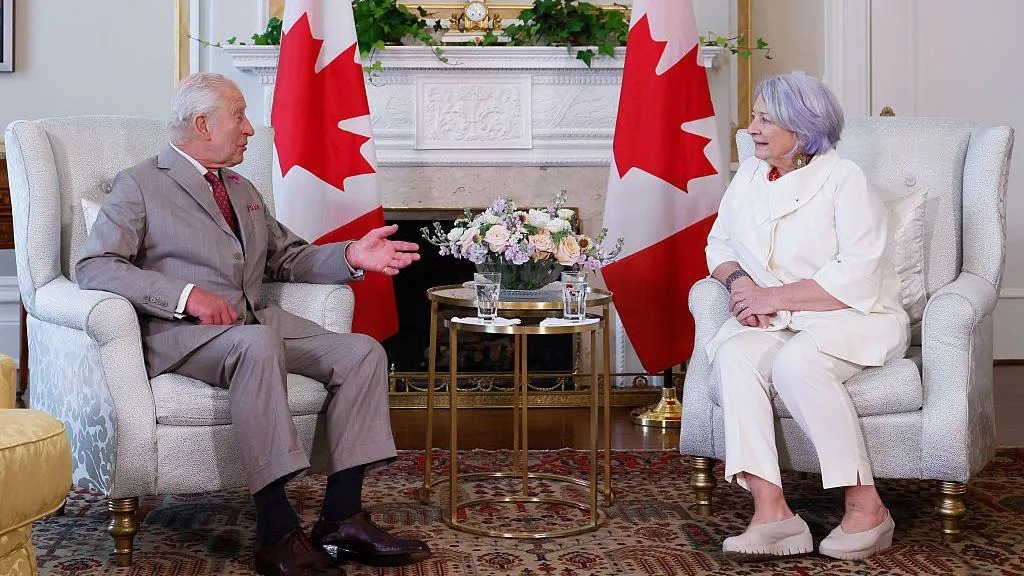

Canada has officially opened its first diplomatic consulate in Greenland, a milestone that underscores Ottawa’s growing engagement in Arctic affairs at a time of heightened geopolitical attention on the region. The consulate was inaugurated in Nuuk by a high-level Canadian delegation led by Governor General Mary Simon and Foreign Minister Anita Anand, marking a significant expansion of Canada’s foreign presence in the Arctic.
Strategic Significance Amid Global Interest
The move carries both symbolic and strategic weight. Greenland, a semi-autonomous territory within the Kingdom of Denmark, has increasingly found itself at the centre of global interest due to its strategic location, vast natural resources, and the impact of climate change on Arctic sea routes.
Canada’s decision to establish a permanent diplomatic outpost signals strong support for Greenland’s right to self-determination and reinforces solidarity among NATO allies, especially following past remarks by former US President Donald Trump suggesting Washington should take control of the island.
Deep Cultural and Indigenous Ties
Beyond geopolitics, the consulate reflects deep cultural and historical connections between Canada and Greenland. Inuit communities on both sides of the Arctic share strong familial, linguistic, and cultural ties, a reality embodied by Governor General Mary Simon herself, who is Inuk and grew up in northern Quebec.
Her presence at the opening was widely seen as a powerful acknowledgment of these shared roots. According to the BBC, the visit also comes amid growing calls from Inuit leaders to strengthen people-to-people links between Arctic Canada and Greenland through closer diplomatic and cultural cooperation.
Why the Consulate Matters
Experts say the establishment of the consulate is long overdue. Greenland lies just an hour’s flight from Iqaluit, the capital of Canada’s Nunavut territory, yet until now Canada lacked a permanent diplomatic mission there.
Analysts argue that the new consulate will facilitate cooperation on issues such as climate research, Arctic security, economic development, and Indigenous affairs, all of which are increasingly central to Canada’s foreign and domestic policy agenda.
Part of a Broader Arctic Strategy
The opening also aligns with Canada’s wider efforts to reinforce its Arctic presence. Ottawa has repeatedly identified the North as a national security priority, citing gaps in infrastructure and defence capabilities that affect both sovereignty and the well-being of northern communities. The consulate in Nuuk is expected to serve as a hub for diplomatic engagement, coordination with allies, and direct dialogue with Greenlandic authorities.
Looking Ahead in a Changing Arctic
As Arctic ice continues to melt and global interest in the region intensifies, Canada’s diplomatic step in Greenland sends a clear message: the Arctic is not only a frontier of strategic competition, but also a shared home whose future should be shaped through cooperation, respect for Indigenous peoples, and adherence to international norms.