
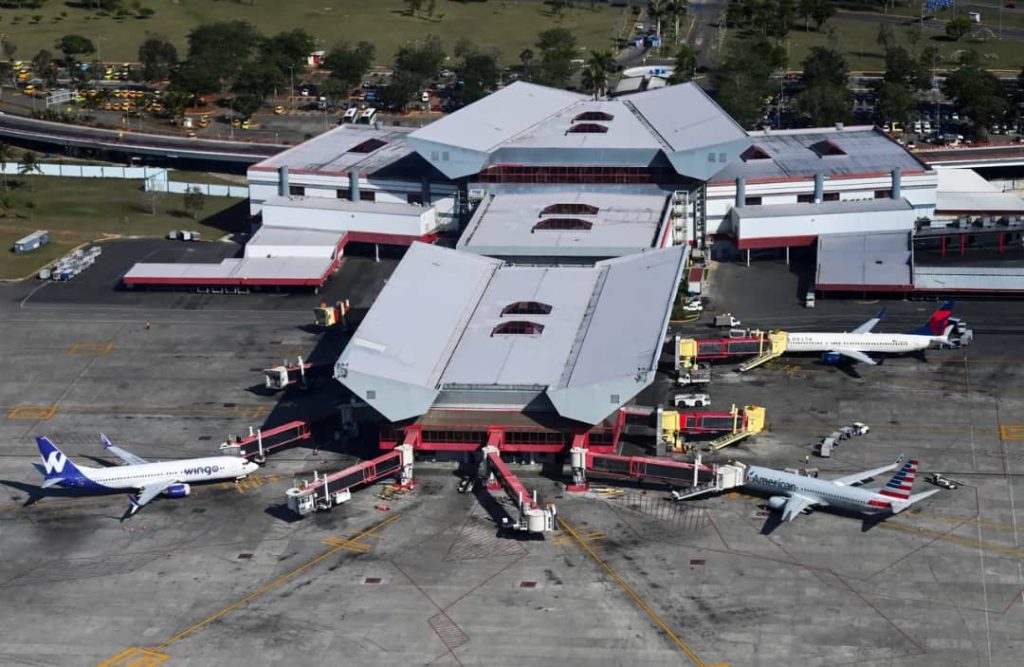

Cuba has informed international airlines that it will suspend jet fuel supplies for at least a month, starting Monday, as the island nation confronts a deepening energy crisis worsened by tightened U.S. pressure on its oil lifelines. The warning which affects refuelling at Havana and other international airports could reshape flight operations, disrupt tourism and intensify logistical challenges for carriers serving the Caribbean nation.
According to aviation notices circulated late last week, Jet A‑1 fuel the aviation kerosene used by commercial aircraft will be unavailable at nine of Cuba’s main airports from Feb. 10 until at least March 11, 2026. This means carriers flying to cities like Havana, Varadero, Santiago de Cuba and Cayo Coco must either arrive with extra fuel, make scheduled technical stops abroad or cancel services entirely.
Airlines operating long‑haul and regional routes have already acknowledged changes: European and North American carriers are preparing to reroute flights or add refuelling stops outside Cuban territory because they can no longer rely on in‑country aviation fuel supplies.
Cuban officials blame the emergency on a broader energy shortage tied to sharply reduced fuel imports from traditional suppliers, particularly Venezuela. The collapse of preferential oil shipments long a pillar of Havana’s energy strategy has left the country struggling to keep power plants, transport networks and critical services running.
Recent U.S. measures targeting Venezuela’s oil industry have further restricted the flow of crude and refined products to Cuba, exacerbating the scarcity. A Reuters report notes that Washington’s decision to end Venezuelan oil shipments and threaten tariffs on nations supplying fuel to Cuba has compounded the island’s predicament.
In response to the acute shortages, the Cuban government has rolled out emergency measures to conserve energy including restrictions on public transport, reduced state work weeks and limits on fuel sales for vehicles and other sectors.
The aviation fuel suspension threatens to hit Cuba’s vital tourism industry at a vulnerable moment. With tourism a key source of foreign exchange, reduced flight capacity could discourage international visitors and put additional strain on the already fragile economy.
Beyond civil aviation, the fuel crunch is contributing to transport disruptions and service cutbacks across the island, compounding challenges faced by ordinary Cubans in their daily lives.
Cuba’s leaders have framed the crisis as the result of external pressures, particularly from the U.S., while signalling openness to dialogue provided national sovereignty is respected. However, the immediate priority remains managing dwindling energy resources as the winter months and peak travel season loom.