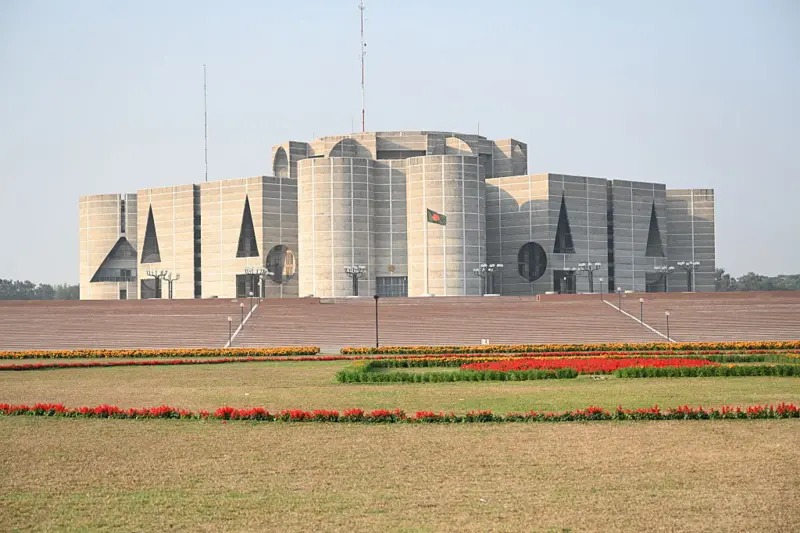

Bangladeshis are casting their ballots in a historic general election, the first since a student-led uprising in 2024 ended Sheikh Hasina’s 15-year rule.
According to BBC News, More than 120 million voters are eligible to take part in the parliamentary poll, which also includes a nationwide referendum on sweeping constitutional reforms known as the July Charter. The vote marks a dramatic turning point for a country still reeling from last year’s violent protests, during which an estimated 1,400 people were killed in a crackdown that Hasina denies ordering. In November, a Bangladeshi court sentenced the former prime minister to death in absentia for crimes against humanity. She remains in exile in India.
Her Awami League party has been banned from contesting this election, leaving the centre-right Bangladesh Nationalist Party (BNP) and the Islamist Jamaat-e-Islami as the main contenders. Jamaat has aligned itself with a party that emerged from the student movement that helped topple Hasina.
Security is tighter than in previous elections, with nearly one million personnel deployed across the country amid fears of political violence. Armed officers have been stationed outside polling centres, and mounted police patrol city streets following recent unrest.
The interim government, led by Nobel Peace Prize laureate Muhammad Yunus, has overseen the transition since Hasina fled. After casting his vote in Dhaka, Yunus described the election as “a day of freedom” and said it marked the end of a “nightmare.”
Nearly half of registered voters are aged between 18 and 33, many of whom are voting in what analysts call their first genuinely competitive election. Alongside choosing lawmakers, citizens are deciding whether to approve reforms aimed at reducing executive power and strengthening democratic institutions.
For many Bangladeshis, this vote is more than a political contest; it is a test of whether democracy can truly be restored after years of turmoil.