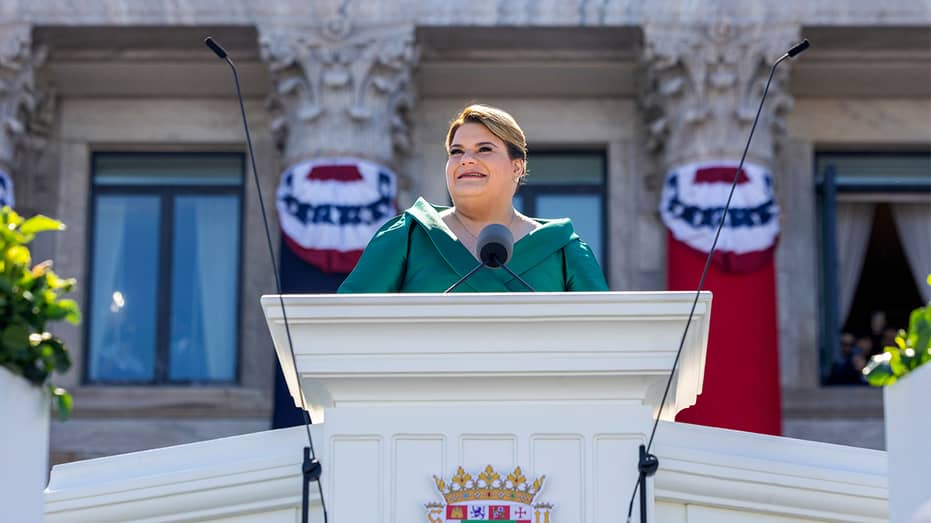

The Governor of Puerto Rico, Jenniffer González-Colón, has signed a new law officially recognizing unborn babies as human beings under local legislation, a move that is already sparking political and legal debate across the island.
The measure, approved by lawmakers before receiving executive approval, establishes a legal definition that acknowledges unborn children at every stage of pregnancy. Supporters have hailed the law as a historic step toward strengthening protections for fetal life, arguing it reflects the cultural and moral values of many residents.
Critics, however, warn that the new definition could have broader consequences for reproductive healthcare and abortion access. Civil liberties groups say the legislation may create legal uncertainty for doctors and pregnant women and could face challenges in court.
Because Puerto Rico remains subject to U.S. federal law, legal experts note that any conflict with federal constitutional standards could prompt judicial review.
The law places Puerto Rico at the center of the ongoing national debate over abortion and fetal rights, with its long-term impact likely to be determined by future legal interpretations and court decisions.