
African economies across the Horn of Africa and the Red Sea corridor are increasingly caught in the expanding rivalry between the United Arab Emirates (UAE) and Saudi Arabia, which has shifted from Middle East security tensions into trade, ports, and mineral exports. According to Business Insider Africa, this geopolitical competition is creating both opportunities and challenges for regional governments and investors.
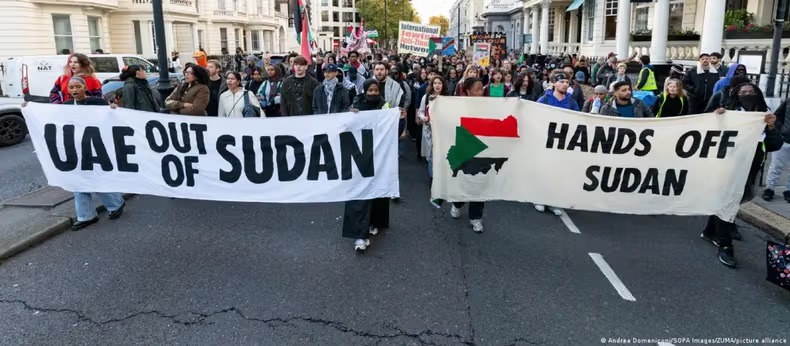
Sudan has emerged as a key economic pivot in the Gulf dispute. In 2024, Sudan exported $1.97 billion worth of gold to the UAE, including 10.9 tonnes valued at $1.05 billion in the first nine months alone, reinforcing Abu Dhabi’s dominance in Sudanese bullion trade.
As fighting continues between the Sudanese Armed Forces (SAF) and Rapid Support Forces (RSF), Khartoum has sought to diversify its partnerships, negotiating with Saudi Arabia on gold, minerals such as chrome, mica, and manganese, and energy projects. Sudan is also pursuing a $1.5 billion arms deal with Pakistan, a close Saudi defense partner, after canceling a $6 billion port agreement with the UAE last year.
The Gulf rivalry extends beyond Sudan, affecting strategic ports and trade corridors in East Africa. Somalia has accused the UAE of interfering in internal affairs, including facilitating the movement of a Yemeni separatist leader and influencing Israel’s recognition of Somaliland.
Mogadishu severed diplomatic ties with Abu Dhabi, impacting port and defense agreements. UAE investments in ports such as Berbera and Bosaso remain critical to maritime trade linking the Red Sea to inland East African markets. Ethiopia, Eritrea, and Djibouti along the corridor face shifting alignments, with Ethiopia maintaining close ties to the UAE, while Eritrea strengthens engagement with Saudi Arabia.
Economic exposure is significant across the continent. The UAE deployed more than $118 billion across Africa between 2020 and 2024, with bilateral trade totaling around $107 billion in 2024.
Abu Dhabi’s additional $1 billion “AI for Development” initiative aims to expand artificial intelligence infrastructure and digital services across African economies. Saudi Arabia is pursuing mining, energy, and infrastructure partnerships under its Vision 2030 plan, leveraging both economic and religious influence across the continent.
For African governments, the Gulf rivalry offers both leverage and vulnerability. While competition may attract new capital and diversify investment sources, alignment with either the UAE or Saudi Arabia risks limiting access to trade routes, port concessions, or financing tied to the other power. Countries dependent on mineral exports and strategic maritime corridors must carefully navigate the escalating tensions to protect economic and political interests.