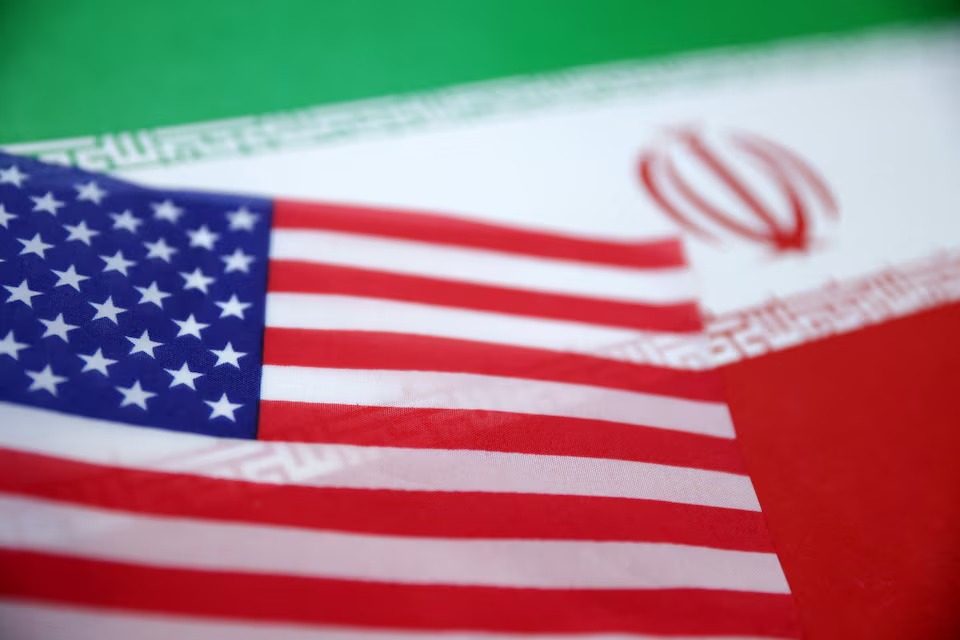

The United States and Iran are set to resume nuclear negotiations in Geneva this Thursday, seeking to resolve their long-running dispute over Tehran’s nuclear programme against the backdrop of rising military tensions in the Middle East, as reported by Reuters.
The renewed talks come after weeks of escalating rhetoric and a significant U.S. military buildup in the region, raising concerns about a potential new conflict. Washington has warned that failure to reach an agreement could result in military action, while Tehran has threatened retaliation if attacked.
High-Level Participation
A U.S. official told Reuters that Special Envoy Steve Witkoff and Jared Kushner, son-in-law of President Donald Trump, will attend the indirect talks. Iran will be represented by Foreign Minister Abbas Araqchi.
The negotiations will be mediated by Oman’s Foreign Minister Badr Albusaidi, who has played a key role in facilitating dialogue between the two adversaries. Albusaidi met Araqchi on Wednesday evening to discuss Iran’s proposals and is scheduled to confer with the U.S. delegation before formal discussions begin.
Diplomacy or Confrontation?
In his State of the Union address earlier this week, Trump said he preferred a diplomatic resolution but reiterated that the United States would not allow Iran to obtain a nuclear weapon. Vice President JD Vance echoed that stance, emphasizing that preventing Iran from acquiring nuclear arms remains Washington’s ultimate objective.
The U.S. military presence in the Middle East has reached its highest level since the 2003 invasion of Iraq, intensifying fears of a wider regional conflict. Oil markets have responded cautiously, with prices edging higher amid concerns over possible supply disruptions.
Iran maintains that its nuclear programme is intended solely for peaceful purposes and has denied seeking nuclear weapons. However, Western powers and Israel argue that uranium enrichment activities could pave the way for weapons development.
Sticking Points Remain
While the primary focus of the talks is Iran’s nuclear activities, U.S. Secretary of State Marco Rubio has insisted that Tehran’s ballistic missile programme must eventually be addressed, describing it as a major obstacle to broader progress.
Reuters previously reported that Tehran is offering fresh concessions in exchange for sanctions relief and recognition of its right to enrich uranium. Still, major disagreements persist over the scope and sequencing of lifting U.S. sanctions.
Pressure Inside Iran
Domestically, Iran’s Supreme Leader Ali Khamenei faces mounting pressure as the country grapples with economic hardship fueled by tightened sanctions and renewed protests following unrest earlier this year.
International Atomic Energy Agency chief Rafael Grossi is also expected in Geneva to hold consultations with both sides, underscoring the high stakes surrounding the negotiations.
As diplomats return to the negotiating table, the outcome of the Geneva talks could determine whether tensions ease through diplomacy or escalate into confrontation in one of the world’s most volatile regions.