
Tensions between Pakistan and Afghanistan have sharply escalated after Pakistan carried out airstrikes on Kabul as well as the provinces of Kandahar and Paktika, saying the attacks targeted militant hideouts.
Pakistan’s Prime Minister Shehbaz Sharif declared that his country has the “full capability to crush any aggressive ambitions,” while Defence Minister Khawaja Asif described the situation as an “open war” with the Afghan Taliban.
Taliban Claims Retaliation
Taliban spokesperson Zabihullah Mujahid said Afghan forces retaliated by attacking Pakistani border posts in the east and southeast, claiming 19 posts were destroyed and more than 50 Pakistani soldiers killed.
Islamabad rejected those claims, stating it had destroyed 27 Taliban border posts and inflicted heavy casualties. None of the figures has been independently verified.
Civilian Casualties Reported
As reported by the BBC, Afghanistan’s National TV said three people, including a woman and two schoolchildren, were killed in Paktika province after a strike hit a residential home. Seven others were reportedly wounded.
Taliban officials also alleged that rockets struck a refugee camp in Nangarhar, injuring several civilians. Pakistan insists its strikes were precision operations aimed at militant infrastructure, not civilians.
Military Imbalance Between the Two Sides
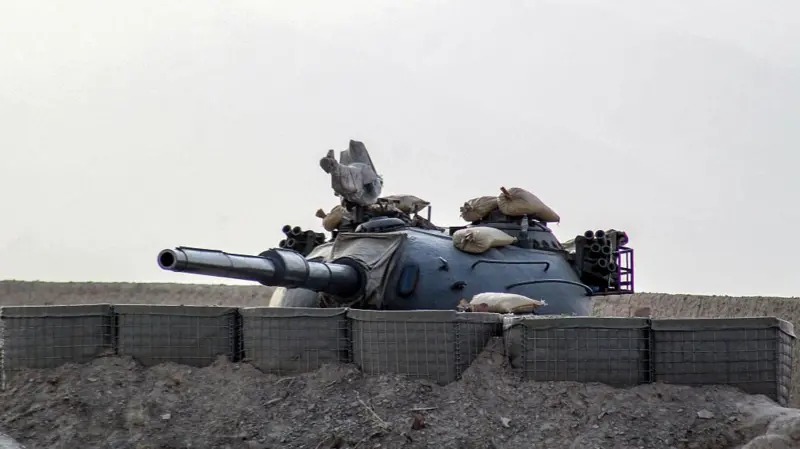
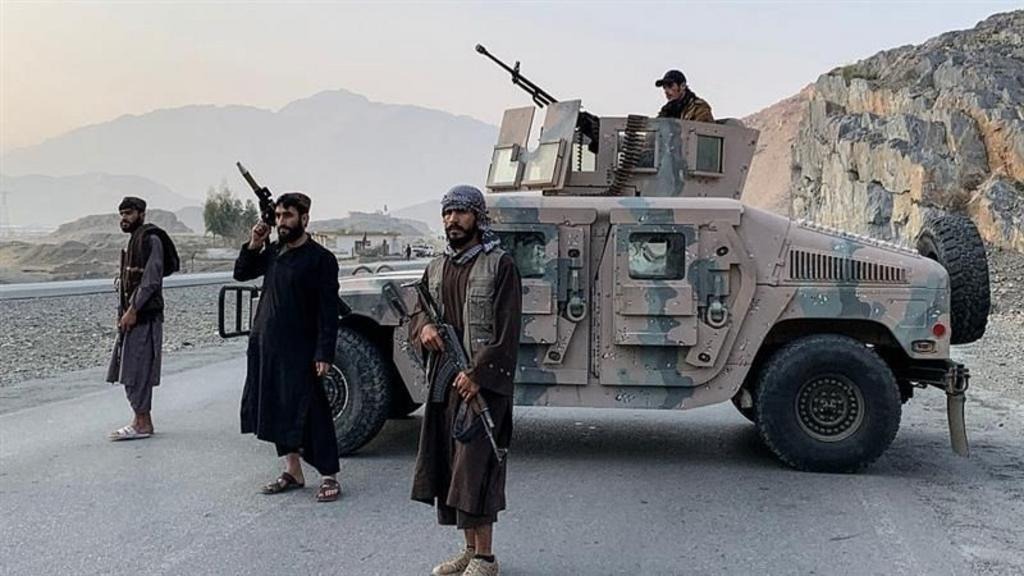
The BBC highlighted the significant military imbalance between the two sides. Pakistan ranks among the world’s top military powers and possesses nuclear weapons, while the Taliban largely relies on weapons left behind by former Afghan forces and foreign troops.
Analysts say that although the Taliban have extensive guerrilla warfare experience, they are unlikely to engage Pakistan in a conventional war due to the disparity in military strength.
International Calls for De-escalation
Meanwhile, UN Secretary-General Antonio Guterres urged both sides to de-escalate and respect international law. China and Iran have also called for dialogue, while Saudi Arabia has reportedly engaged Pakistani officials in discussions aimed at reducing tensions.
A Fragile and Volatile Situation
The latest escalation follows months of tit-for-tat hostilities along the mountainous border. Despite increasingly strong rhetoric from both sides, diplomatic channels remain critical in preventing the crisis from spiraling into a broader regional conflict.