
Paris/New York, The United Nations has strongly condemned the bombing of an elementary school in southern Iran as a grave violation of international humanitarian law, officials said this week, highlighting growing global alarm over the protection of civilians, particularly children, in the escalating Middle East conflict.
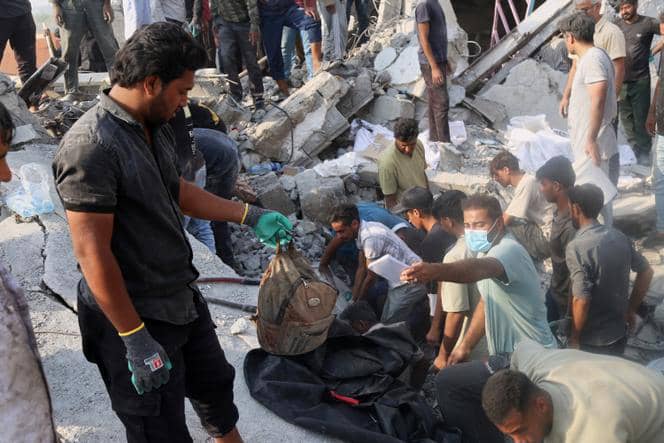
The strike, which Iranian authorities say hit the Shajareh Tayyebeh girls’ primary school in Minab, Hormozgan province, reportedly killed around 150 people and wounded nearly 100 more, with many of the victims believed to have been students. The attack occurred during a joint wave of U.S. and Israeli military operations against Iran, according to U.N. reports and Iranian state media.
UNESCO and Global Reactions
The United Nations Educational, Scientific, and Cultural Organization (UNESCO) said the bombing of a school, a site explicitly protected under international humanitarian law, endangers the lives of students and teachers and undermines the right to education. UNESCO’s statement underscored that attacks on educational institutions violate established legal protections for civilians in conflict zones.
In a strong personal response, Malala Yousafzai, Nobel Peace Prize laureate and U.N. Messenger of Peace, condemned the reported attack as “heartbreaking and appalling,” urging world leaders to uphold international law and protect children’s right to live and learn in peace. Her comments were shared widely on social media, stressing the need for accountability and an immediate end to violence.
Security Council Spotlight: Children in Conflict
Against this backdrop of tragedy, U.S. First Lady Melania Trump presided over a session of the United Nations Security Council focused on the protection of children in war zones, marking the first time a serving first lady has led such a meeting. The session, titled “Children, Technology and Education in Conflict,” called on member states to safeguard educational access and promote peace through knowledge.
During the session, Mrs. Trump emphasized the importance of education as a foundation for peace and international cooperation, expressing solidarity with children affected by conflict worldwide. However, the timing drew criticism from some diplomats and observers, who described the gathering as starkly juxtaposed with the recent reports of children killed in the school strike.
Iran’s ambassador to the U.N. denounced the session as “hypocritical,” urging the council to take meaningful action on what Tehran described as unlawful military actions that caused civilian harm.
Legal and Humanitarian Concerns
International rights experts and humanitarian bodies have stressed that attacks on schools and other civilian infrastructure during armed conflict may constitute violations of international humanitarian law and could be classified as war crimes if intentional. While casualty figures and precise details of responsibility remain under investigation, the incident has intensified global calls for an independent inquiry and stronger protections for noncombatants.
The United Nations Secretary-General has reiterated that all parties to the conflict must respect international law and prioritize civilian safety, especially for children, as diplomatic efforts continue to address the broader crisis.