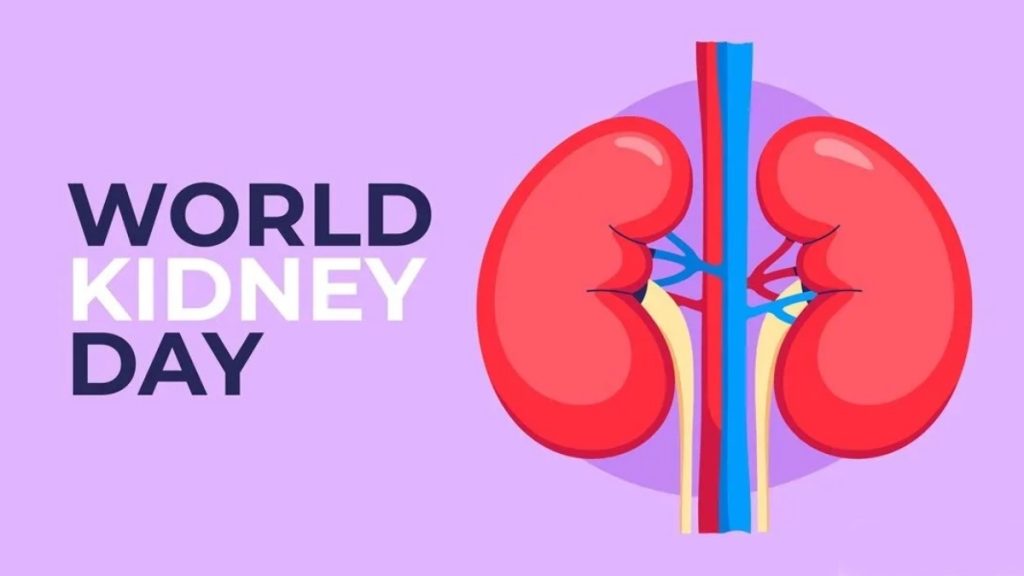

As the world prepares to mark World Kidney Day on 12 March 2026, Rwanda will join the global community in observing Kidney Week from 9 to 13 March under the theme “Kidney Health for All: Caring for People, Protecting the Planet.”
In an interview with AE News, Dr. Rugamba Gilbert, Executive Director of the Rwanda Renal Organisation, explained why kidney health deserves urgent attention and outlined the activities planned throughout the week to raise awareness and strengthen kidney care in the country.
“The kidneys may be small, but they play a vital role in keeping the body healthy,” Dr. Rugamba said.
“They filter waste and toxins from the blood, regulate blood pressure, balance fluids and essential minerals, and produce hormones that support red blood cell production. Simply put, healthy kidneys are essential for maintaining the body’s internal balance and overall well-being.”
Rwanda’s World Kidney Week Programme
In collaboration with the Ministry of Health and the Rwanda Biomedical Centre (RBC), the Rwanda Renal Organisation has designed a comprehensive week-long programme aimed at strengthening awareness, improving clinical knowledge, and expanding national capacity in kidney care.
The campaign will bring together healthcare professionals, researchers, students, policymakers, and international experts.
Hospital Grand Rounds (9–11 March 2026)
A series of Continuing Professional Development (CPD) accredited grand rounds will be hosted in major referral hospitals:
- King Faisal Hospital – 9 March
- University Teaching Hospital of Kigali (CHUK) – 10 March
- University Teaching Hospital of Butare (CHUB) – 10 March
- Rwanda Military Referral and Teaching Hospital – 11 March
These sessions will focus on:
- Early recognition and aggressive management of chronic kidney disease (CKD)
- Timely referral for kidney transplantation
- Multidisciplinary care models for transplant candidates and recipients
Online Webinar (12 March 2026)
On World Kidney Day, local and international experts will convene for a virtual webinar titled:
“Changing the CKD Trajectory: The Power of Kidney Transplant and Donor Safety.”
Speakers include:
- Prof. Martin Bitzan, Pediatric Nephrologist
- Dr. Gloria Shumbusho, Consultant Nephrologist at King Faisal Hospital
- Dr. Elizabeth Hendren, MD, FRCPC, Transplant Nephrologist, UBC Kidney Transplant Program, St. Paul’s Hospital; Clinical Assistant Professor, University of British Columbia.
The session will be moderated by Dr. Darlene Lieve Nyenyeri, Consultant Nephrologist at King Faisal Hospital and Vice President of the Rwanda Renal Organisation.
Nephrology Fellowship Bootcamp (13 March 2026)
To address the shortage of kidney specialists, the Rwanda Renal Organisation and its partners will organize a half-day nephrology bootcamp for medical students and practitioners.
The session aims to inspire the next generation of specialists by introducing participants to career opportunities in nephrology and the growing demand for kidney experts in Rwanda’s health system.
National Scientific Symposium (13 March 2026)
The week will culminate in a high-level national symposium, bringing together national and international experts for a full day of scientific discussions.
The conference will feature:
- Scientific sessions on living kidney transplantation
- Policy discussions on strengthening kidney care systems
- Expert panels addressing access, ethics, financing, and sustainability
- Participation from the International Society of Nephrology (ISN)
- Engagement with patient advocates sharing lived experiences
Understanding the Kidneys
During the interview, Dr. Rugamba also addressed a basic yet important question: What exactly do the kidneys do?
“Kidneys are two bean-shaped organs responsible for filtering blood, removing waste, balancing fluids and acids, regulating salts such as calcium, and producing urine,” he explained.
Each kidney measures roughly 10 by 7 centimeters, about the size of a human palm.
Inside each kidney are microscopic filtering structures known as glomeruli. On average, a person has about one million glomeruli in each kidney, or roughly two million in total. These filters gradually decline with age or kidney disease.
Globally, studies estimate that 8–10 percent of the population lives with some form of kidney disease, though many people remain unaware until the condition becomes severe.
Causes of Kidney Disease
According to Dr. Rugamba, high blood pressure (hypertension) and diabetes are the leading causes of kidney disease, accounting for 30–50 percent of cases.
Other causes include:
- Glomerulonephritis (inflammation of kidney filters)
- Congenital abnormalities, which are particularly common in children
Advances in Kidney Care in Rwanda
Rwanda has made notable progress in expanding kidney care services over the past decade.
The country now has more than ten kidney specialists, compared to only five specialists five years ago. Modern healthcare facilities across the country increasingly offer advanced kidney care services.
Rwanda introduced dialysis services in 2014, enabling patients with kidney failure to receive life-saving treatment locally. In 2023, kidney transplantation services were officially launched at King Faisal Hospital, marking a major milestone in the country’s healthcare system.
Dr. Rugamba emphasized that kidney donation is safe when donors are carefully evaluated by medical experts, and that a transplanted kidney can function effectively for 10 to 15 years.
Currently, more than 400 patients across Rwanda receive dialysis treatment.
“To donate a kidney is to give life,” he said. “When properly assessed by medical professionals, kidney donation has no harmful impact on the donor.”
Expanding Partnerships
The Rwanda Renal Organisation has also strengthened collaboration with the International Society of Nephrology (ISN) to expand treatment capacity, improve laboratory services, and increase access to essential medicines.
Dialysis services are now available in both public and private medical centers across the country, improving access for patients nationwide.
Prevention Remains Key
Despite these advances, experts stress that prevention remains the most effective strategy in fighting kidney disease.
Dr. Rugamba encourages the public to take simple preventive measures, including regularly monitoring blood pressure and blood sugar, maintaining a healthy diet, exercising regularly, staying hydrated, avoiding smoking, and undergoing routine medical check-ups.
He also cautioned against the use of unprescribed medications and certain traditional remedies, which can damage the kidneys if taken without medical guidance.
Building the Future of Kidney Care
The Rwanda Renal Organisation was initiated by kidney specialists in 2017 to support national efforts in research, education, and clinical care. The organisation officially obtained legal status in 2025.
Today, it works closely with the Ministry of Health and RBC to strengthen kidney services, train specialists, and raise public awareness.
As Rwanda prepares to mark World Kidney Week, health experts hope the campaign will encourage citizens to better understand the importance of kidney health and to take action early to protect it.