
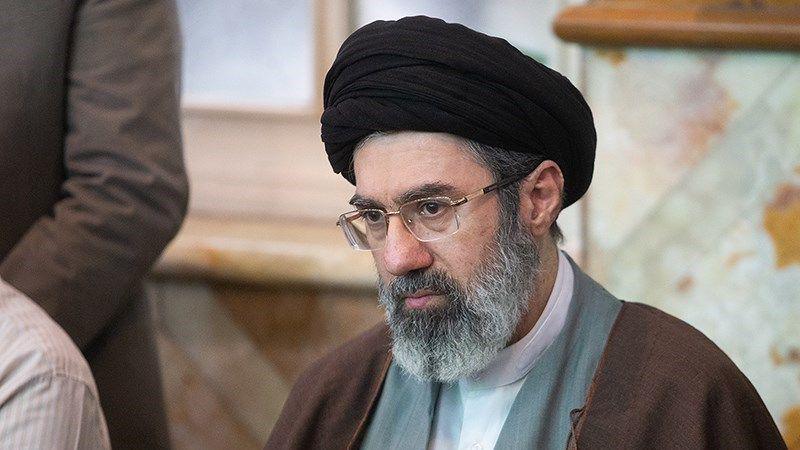

Mojtaba Khamenei has reportedly been named the new supreme leader of Iran, marking a historic moment in the Islamic Republic’s political history. His rise follows the death of his father, Ali Khamenei, who led the country for decades and served as the highest authority in both political and religious affairs.
The position of supreme leader holds ultimate power in Iran, overseeing the military, judiciary, state broadcasting, and major strategic decisions. Mojtaba Khamenei’s appointment signals a new chapter for the country while also raising questions about the future direction of Iran’s leadership.
A Powerful Role at the Center of the State
The office of the supreme leader is the most influential institution in Iran’s political system, above the presidency and parliament. The leader has authority over the armed forces, appoints key officials, and sets the overall direction of domestic and foreign policy.
With Mojtaba Khamenei stepping into this role, he becomes the central figure shaping Iran’s political strategy, relations with regional powers, and its ongoing tensions with Western countries.
Life and Background of Mojtaba Khamenei
Mojtaba Khamenei was born in 1969 in Tehran, the capital of Iran, into one of the country’s most influential religious and political families. As the second son of Ali Khamenei, he grew up during a period of profound political change following the Iranian Revolution, which established the Islamic Republic.
From a young age, Mojtaba pursued religious education, studying Islamic theology in the seminaries of Qom, one of the most important centers of Shia Islamic scholarship. These institutions train clerics in Islamic law, philosophy, and religious leadership.
Despite his religious training, Mojtaba maintained a relatively low public profile for many years. Unlike many figures in Iran’s political system, he rarely appeared in official political roles or public office.
IInfluence Behind the Scenes
Although he did not hold formal government positions, Mojtaba Khamenei was widely believed by analysts and political observers to have significant influence within Iran’s power structure.
He was often seen accompanying his father at religious ceremonies and major political events. Over time, he reportedly developed close ties with powerful figures within the country’s political, religious, and security institutions.
Observers frequently described him as a key adviser and intermediary within Iran’s elite networks, particularly among conservative factions and members of the security establishment.
International Sanctions and Global Scrutiny
Mojtaba Khamenei’s role behind the scenes also attracted international attention. In 2019, the United States imposed sanctions on him, accusing him of representing his father in an official capacity despite not being elected or formally appointed to a government post.
According to U.S. officials at the time, he was believed to be involved in coordinating political decisions and maintaining connections within Iran’s leadership circle. The sanctions were part of broader measures targeting senior individuals within Iran’s political system.
Debate Over Dynastic Leadership
His appointment has already sparked debate among analysts about whether the move signals a shift toward a more dynastic form of leadership within the Islamic Republic.
Since its founding in 1979, Iran’s supreme leader has traditionally been chosen by the Assembly of Experts, a body of senior clerics tasked with selecting and overseeing the leader. Mojtaba’s rise, as the son of the previous leader, could represent a rare example of familial continuity at the highest level of Iran’s political system.
Supporters argue that his deep familiarity with Iran’s institutions and long exposure to national decision-making may provide stability during a sensitive transition period.
Challenges Facing the New Leader in Iran
As supreme leader, Mojtaba Khamenei inherits a complex set of challenges. Iran continues to face economic pressure from international sanctions, regional tensions in the Middle East, and ongoing debates over its nuclear program.
Domestically, the country also faces social and economic pressures, including youth unemployment and demands for political reform.
How Mojtaba Khamenei approaches these issues will likely define the next phase of Iran’s political trajectory.


