
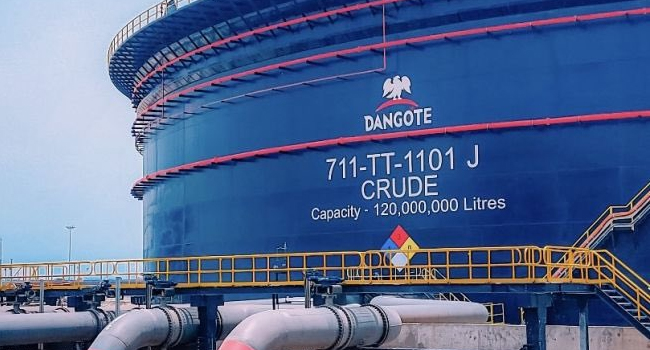

African countries are increasingly turning their attention to Nigeria, where the refinery owned by billionaire Aliko Dangote known as Dangote Oil Refinery is located, in search of petroleum products that have become scarce due to the Iran conflict.
The war has disrupted the transportation of petroleum products, largely because the Strait of Hormuz, which handles nearly 20% of the world’s oil supply, is no longer operating smoothly. This is why African countries such as South Africa, Kenya, and Ghana are now turning to Nigeria as an alternative source.
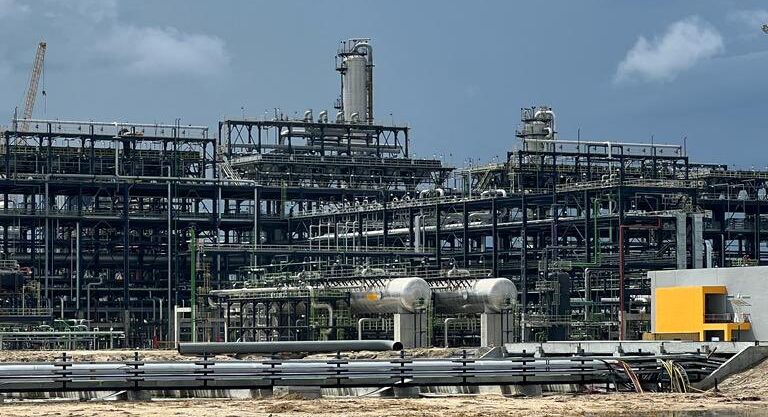
The Dangote Oil Refinery, located on the outskirts of Lagos, has a refining capacity of 650,000 barrels per day. It was inaugurated in 2024 at a cost of $20 billion and has recently become a key point of reliance. It is reported that South Africa is seeking a deal with the refinery to secure a steady supply of petroleum products throughout the year.
Economic experts note that the conflict is having a significant impact on countries in East and Southern Africa, as about 75% of their petroleum imports come from the Middle East. However, analysts also point out that the refinery alone cannot fully meet Africa’s demand, since about 75% of its refined petroleum products are consumed domestically in Nigeria, with the remainder exported.
Countries are now being advised to maintain strategic fuel reserves that can last at least 90 days in case imports are disrupted.
Some African nations have already begun taking measures to address the fuel shortage.
In Ethiopia, the government has instructed fuel sellers to prioritize public transport vehicles and urged citizens to minimize usage. Meanwhile, in Somalia, fuel prices have already doubled.
The energy authority in South Africa reports that the country currently has over eight million barrels of petroleum in storage, though this is still insufficient.