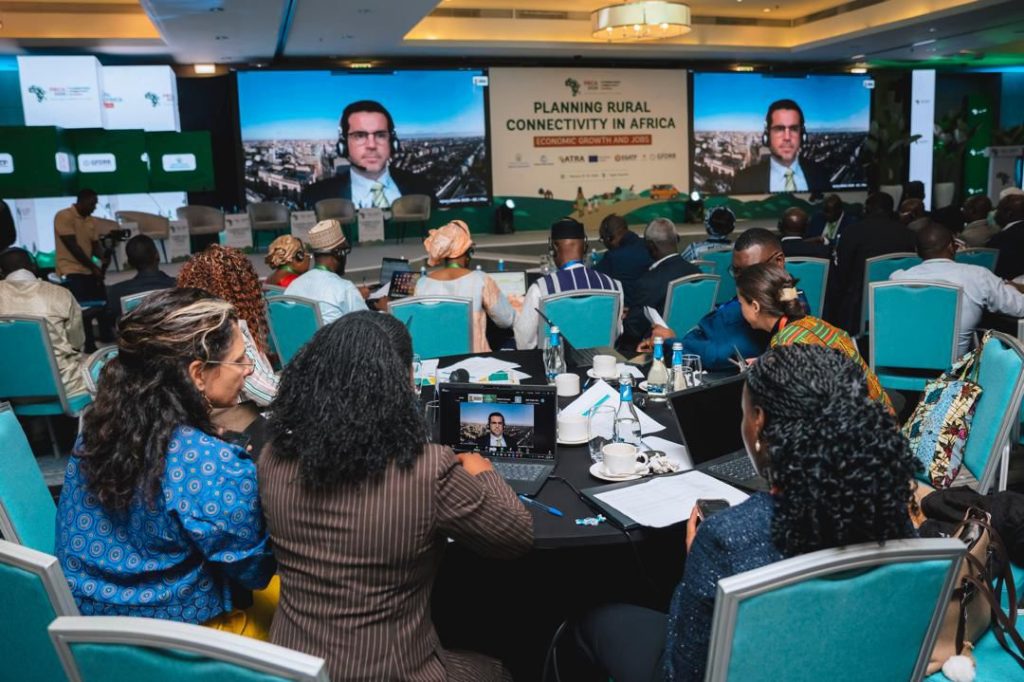

This morning in Kigali, Minister Dr. Jimmy Gasore officially inaugurated the Planning Rural Corridors in Africa Conference, signaling a renewed focus on rural connectivity as a cornerstone of economic and social growth across Sub-Saharan Africa.
Speaking at the opening ceremony, Gasore stressed that improving connectivity goes beyond physical infrastructure. “Investing in rural connectivity is not just about roads or railways; it’s about creating inclusive opportunities that allow every African citizen to participate in and benefit from economic growth,” he said.

Participants are focusing on strategies to expand transport corridors, enhance digital access, and strengthen agricultural value chains. By linking rural communities to urban centers and international markets, leaders say the initiative could significantly boost trade, food security, and employment.
Experts at the conference highlighted that many rural areas remain disconnected from major economic hubs, limiting farmers’ ability to access markets and reducing the competitiveness of local industries. Improved corridors combining roads, rail, logistics hubs, and broadband infrastructure are seen as essential to bridging that gap.
The conference underscores a growing consensus that rural connectivity is central to Africa’s long-term development. With a large portion of the continent’s population still living in rural areas, expanding access to infrastructure is expected to accelerate industrialization, improve livelihoods, and reduce inequality.
Development partners attending the forum signaled strong support for collaborative solutions, including blended financing models and regional partnerships. By aligning investments with national development strategies, stakeholders hope to ensure that rural corridors become engines of sustainable growth rather than isolated projects.
Hosting the conference reinforces Rwanda’s emerging status as a convening hub for continental dialogue on innovation and development. The country has increasingly championed infrastructure-led transformation, positioning itself as a model for leveraging connectivity to drive inclusive progress.
As discussions continue, participants are expected to outline actionable recommendations aimed at turning policy into practice. If successfully implemented, the outcomes of the Kigali conference could help reshape how Africa connects its rural heartlands, unlocking new pathways for growth, resilience, and shared prosperity across the region.