
In a statement released by the Dicastery for the Doctrine of the Faith, the Vatican said the individuals belong to the Switzerland-based Society of St. Pius X, a traditionalist movement that has long been at odds with the Holy See over its rejection of several teachings and reforms approved by the Catholic Church.
Those affected by the decision are no longer permitted to celebrate or administer the sacraments, including marriage and other sacramental ministries.
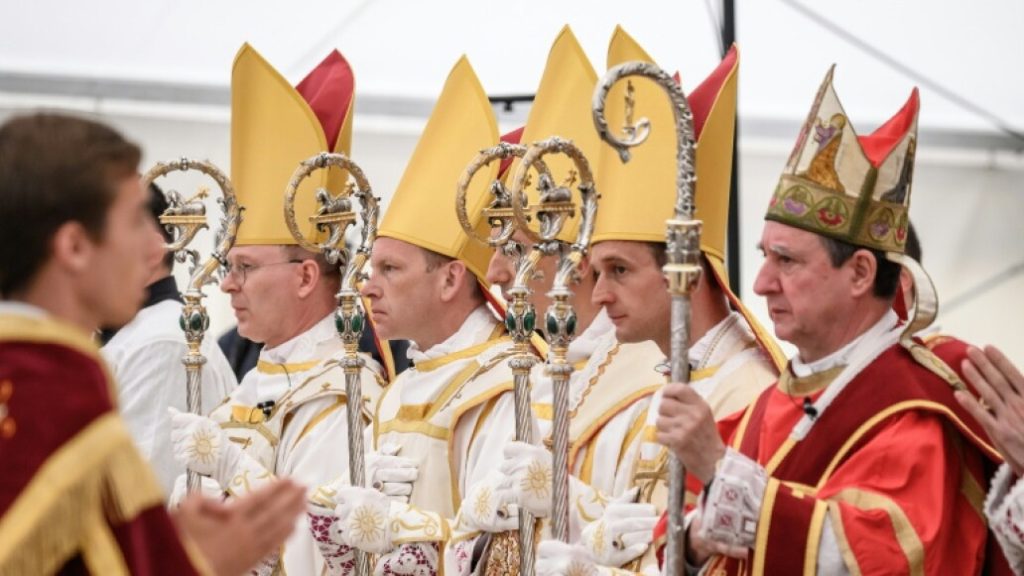
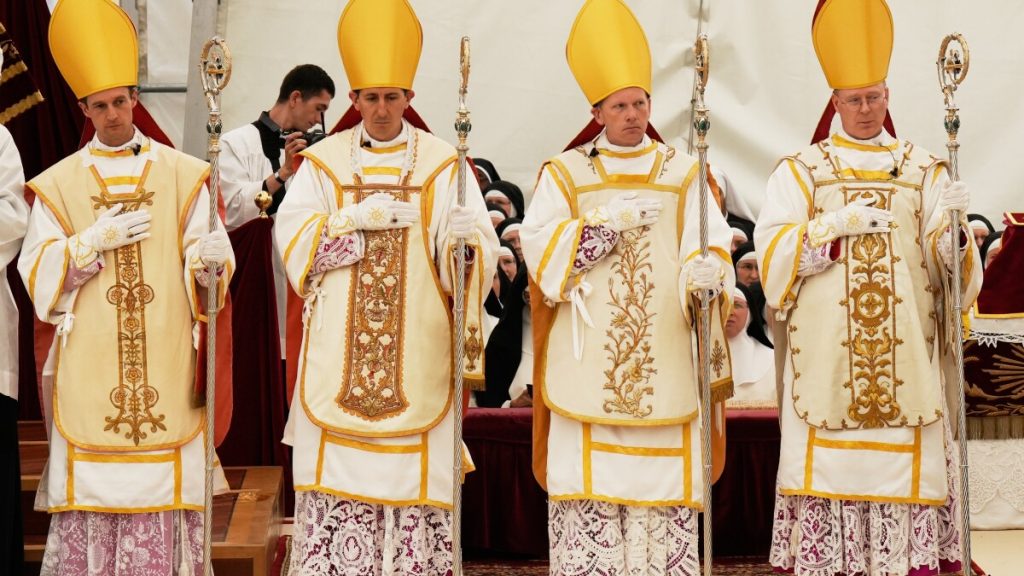
In July, the Society announced that it had consecrated four of its priests as bishops without the authorization of the Pope. The newly consecrated bishops are Fr. Marc Hanappier, Fr. Michel Poinsinet de Sivry, Fr. Michael Goldade, and Fr. Pascal Schreiber.
The Society of St. Pius X says it has approximately 733 priests serving in different parts of the world.
According to the Vatican, the unauthorized episcopal consecrations constitute a grave violation of Canon Law because appointing bishops without papal approval is considered one of the most serious offenses against the unity of the Catholic Church.
The Vatican added that priests and lay members who publicly support or adhere to the movement are now regarded as having separated themselves from full communion with the Church. As a result, they are prohibited from administering or receiving the sacraments until they repent and reconcile with the Church.
The four newly consecrated bishops, together with those who participated in the illicit ordinations, have also been subjected to canonical penalties under Church law.
The Vatican emphasized that the authority to appoint bishops belongs exclusively to the Pope, a principle intended to preserve the unity of the Catholic Church and maintain the apostolic succession that traces back to the Apostles of Jesus Christ.
The Society of St. Pius X has long opposed certain reforms introduced by the Second Vatican Council (Vatican II), advocating instead for a return to traditional Catholic practices, including the exclusive celebration of the Latin Mass.
The Vatican said the disciplinary measures are intended to safeguard the unity, doctrine, and communion of the Catholic Church worldwide.