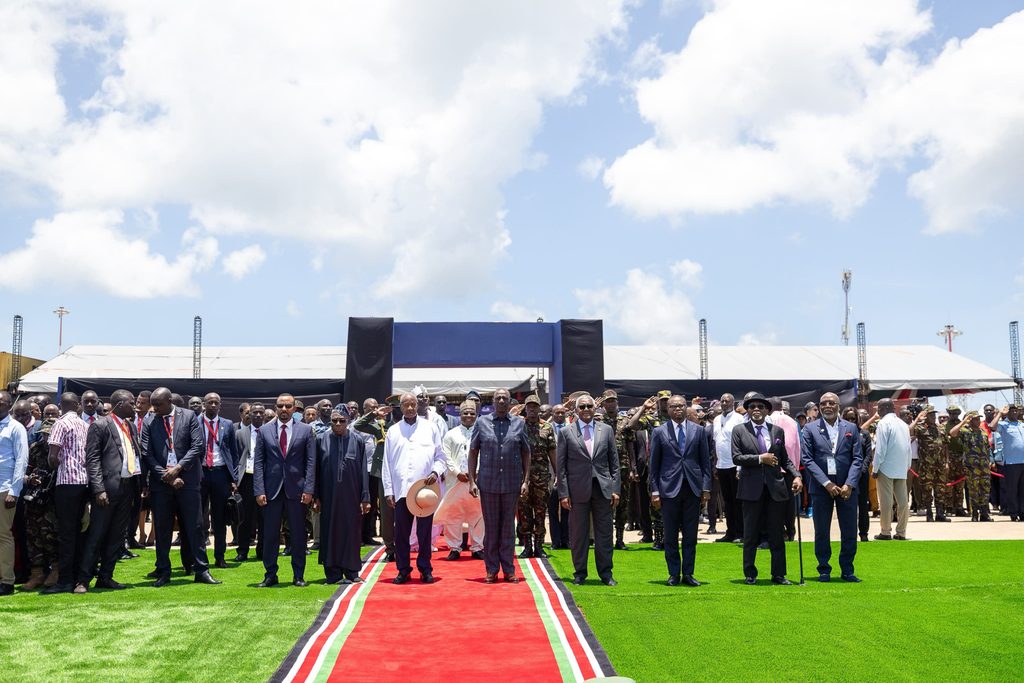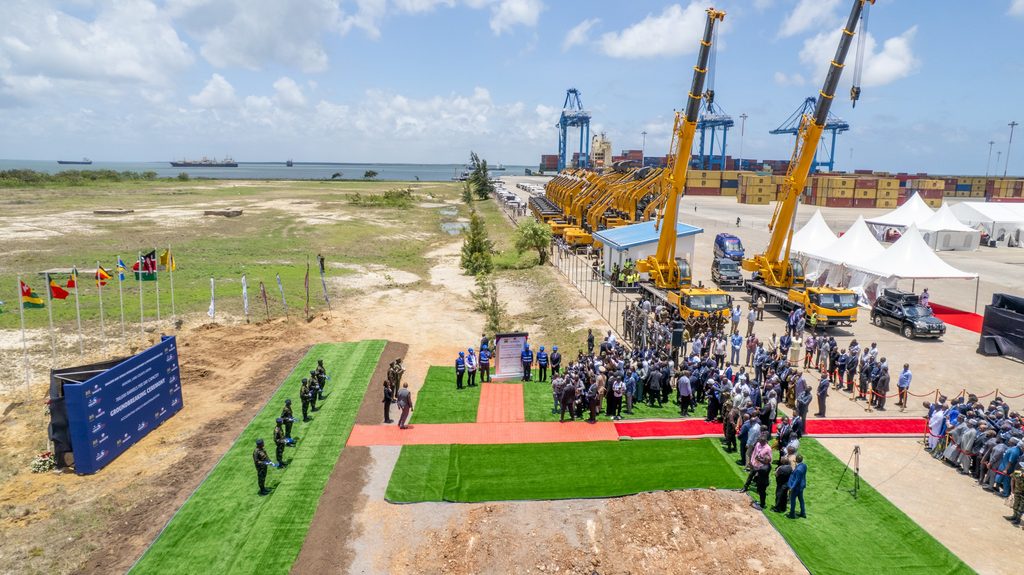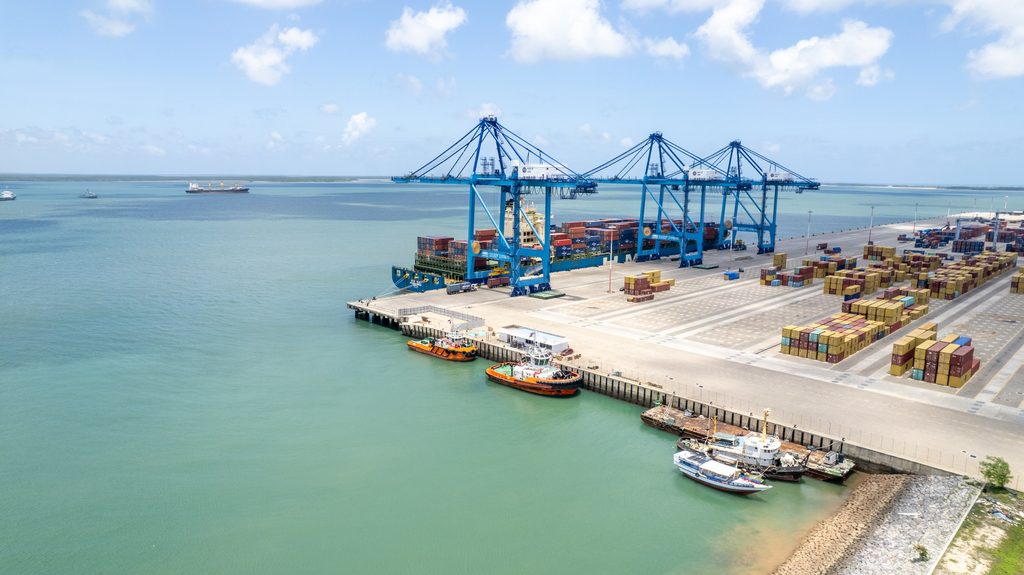
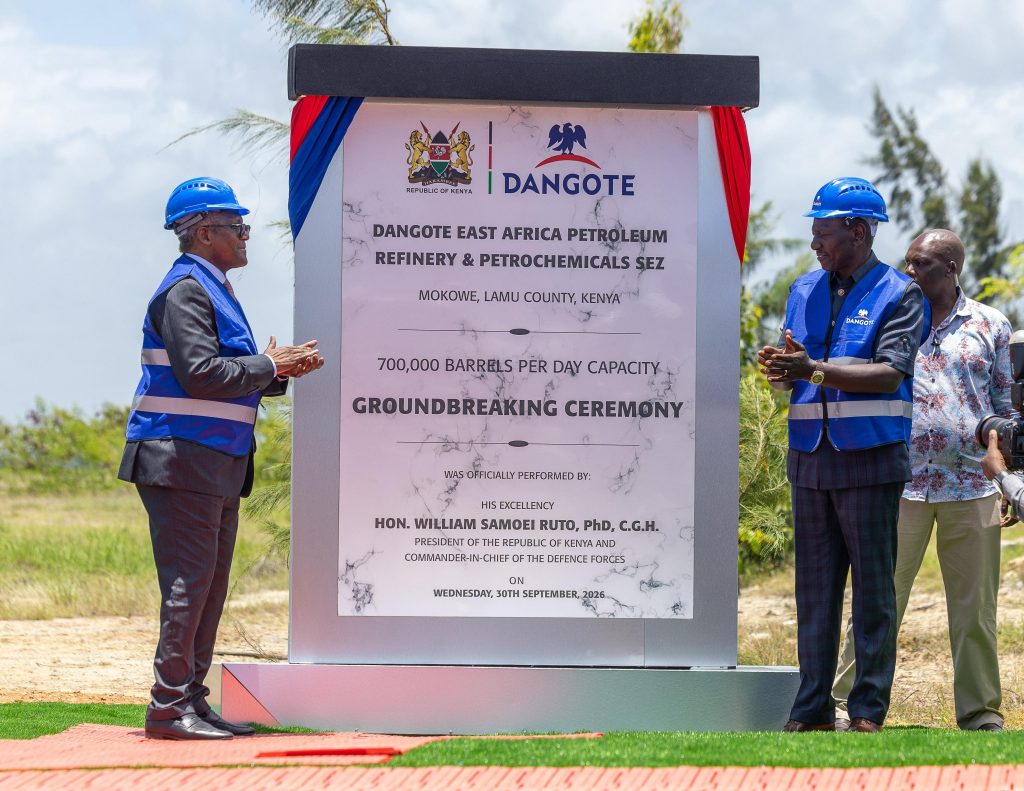

The ceremony was held on Wednesday, September 30, 2026, at the Port of Lamu. Togo’s President Jean-Lucien Savi de Tové also attended the event.
The refinery is expected to be completed by 2030 and will have the capacity to process 700,000 barrels of crude oil per day. The project is aimed at reducing the cost of petroleum products in East Africa and cutting the foreign currency spent importing them.
Dangote, considered Africa’s richest person, plans to build a refinery in Kenya with a capacity similar to the one operated by his group in Nigeria, as countries including Kenya and Uganda prepare to begin exploiting their domestic oil reserves.
He has offered regional governments the opportunity to collectively acquire a 30 percent stake in the refinery. Engineers India Limited has been awarded a $450 million contract to provide engineering services for the project.
Speaking to journalists in Nairobi, Dangote said the project is intended to help the region achieve greater self-sufficiency in petroleum products.
“When you look at East Africa, and not only East Africa, many of the 54 countries in Africa import petroleum products,” Dangote said.
Officials said the refinery is expected to create more than 50,000 jobs. It is also expected to support the development of industries producing petroleum-based products, including bitumen used in road construction.
David Ndii, President Ruto’s chief economic adviser, said East Africa requires between 20 million and 30 million tonnes of petroleum products every year.
An investor in Africa’s oil-refining sector said meeting that demand would require refining capacity of more than one million barrels per day.
The project is being launched at a time when the region is facing rising petroleum prices linked to the war in Iran. In Kenya, increases in petrol and diesel prices have triggered protests in which people have been killed.
Oil industry analysts, however, say it remains uncertain whether the Kenyan refinery will achieve production levels similar to Dangote’s refinery in Nigeria.
The Nigerian refinery has helped the country reduce its dependence on imported petroleum products and begin increasing its exports.
For the Kenyan project, however, concerns remain over the availability of sufficient crude oil in the region and the energy infrastructure required to support the refinery.
The project has also faced opposition from environmental campaigners, who are concerned about its potential impact on Lamu Old Town, a UNESCO World Heritage Site, as well as marine ecosystems in the area.
Kenya’s High Court has ordered that parts of the proposed refinery site be protected from activities that could alter the area while it awaits a hearing on a case filed by local residents.
Dangote, however, said some of those opposing the project include traders and companies whose interests could be affected by the establishment of the refinery.