
However, he noted that fares for electric vehicles have also gone up, since there are currently no companies in Rwanda operating exclusively electric fleets.
He made these remarks on April 5, 2026, during a media talk show.
This follows recent fare adjustments in Rwanda, where in Kigali passengers now pay 59.28 RWF per kilometer, while in the provinces the fare is 41.58 RWF per kilometer.
Uwihanganye explained that transport fares are not set separately for electric and diesel vehicles because electric vehicles are still few in the country.
He said, “That price is a maximum cap. Operators can even charge less. We do not yet have only electric vehicles; most fleets are mixed. Some have 100% electric vehicles, but also diesel ones, and we consider their overall operating costs.”
He added that electric vehicles have helped prevent a sharper rise in fares, which could have reached 120%.
He stated, “Maintenance, staff costs, spare parts—and even owners of electric vehicles incur these costs. Electric vehicles have helped us a lot; fares should have increased by 120%, but instead they have risen by about 35%.”
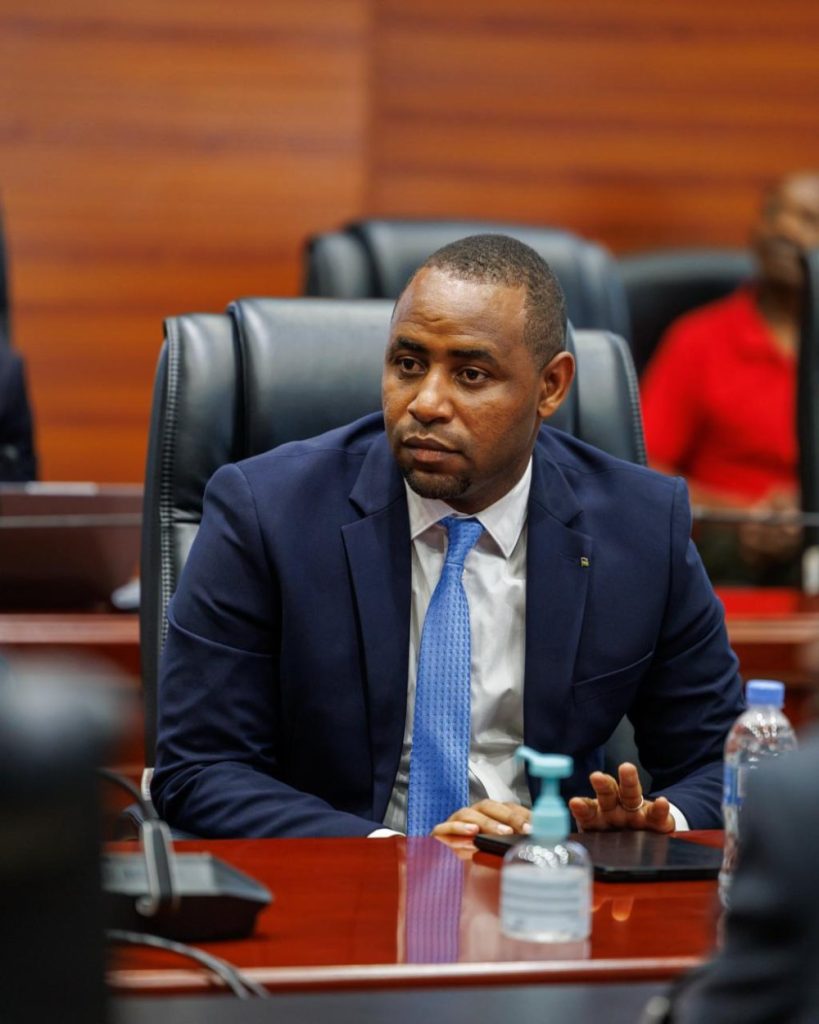
He emphasized that the government does not interfere in private sector operations but sets policies to support efficiency.
He said, “If we want to promote electric vehicles, we must also create conditions that make it easier to use them. If you are a transport company with 50% electric vehicles, it becomes easier for you. But if you rely only on diesel vehicles, the current fare increase will not favor you.”
He urged investors to adopt electric vehicles more widely, as they help mitigate the frequent rise in fuel prices.
Fuel prices in Rwanda have reached record highs, with petrol and diesel both exceeding 2,000 RWF per liter—one at 2,303 RWF and the other at 2,205 RWF.