
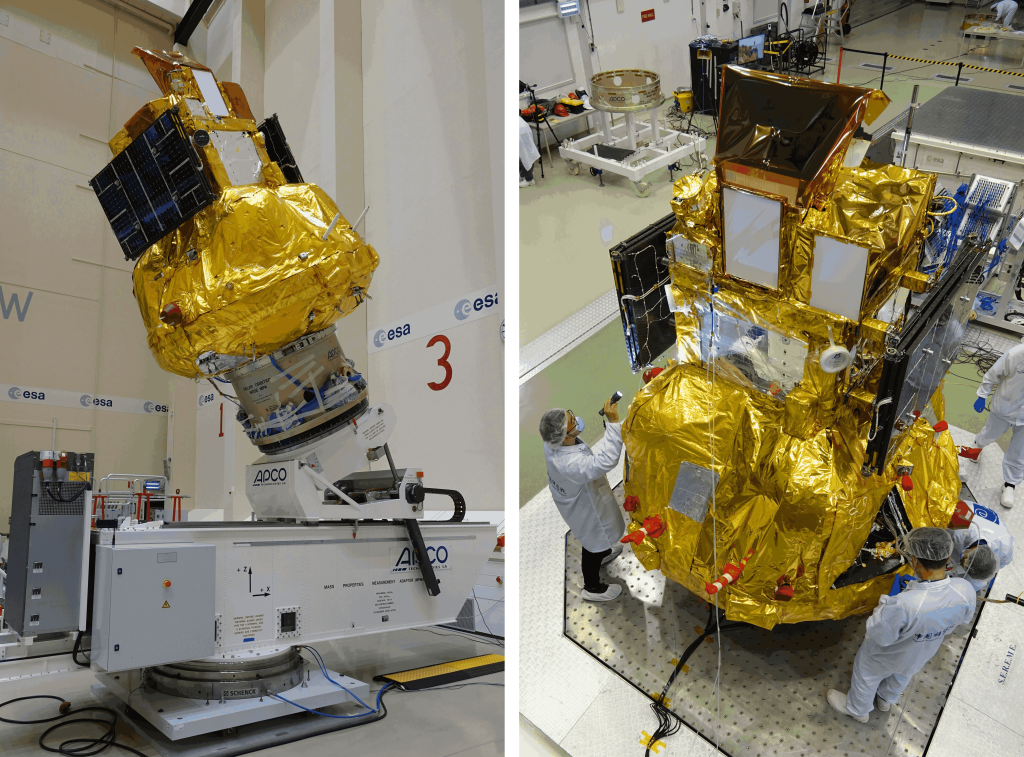
Europe and China are collaborating on a rare joint mission to study “space weather,” the phenomena caused by solar winds and radiation from the Sun. The mission will focus on how Earth’s magnetic field protects the planet from harmful solar radiation that can impact satellites, power grids, and communications systems.
The partnership comes at a time when competition in space exploration is intensifying. While both Europe and China have advanced individual programs, working together on this mission signals a willingness to share data and expertise for scientific benefit, despite broader geopolitical tensions.
The mission will involve multiple satellites and ground-based observatories to monitor solar activity and measure the effects on Earth’s magnetosphere. Scientists hope the data will improve forecasting of solar storms, which can disrupt technology-dependent societies and pose risks to astronauts in space.
Officials from the European Space Agency (ESA) and China’s National Space Administration (CNSA) emphasized the importance of this research for global safety. Both agencies said the collaboration demonstrates how science can transcend political competition and address challenges that affect everyone.
Analysts note that this mission could set a precedent for future international cooperation in space, especially as private companies and nations increasingly compete for orbital resources and scientific discoveries. By pooling resources, Europe and China aim to maximize scientific output while sharing costs.
The mission is expected to launch within the next two years, with data made available to the global scientific community. Experts say understanding space weather better could help prevent economic losses and safeguard technological infrastructure worldwide.