A high-level courtesy meeting between the representative of the Food and Agriculture Organization of the United Nations in Rwanda, Mr. Mohamed Aw-Dahir, and His Excellency Gao Wenqi, Ambassador of China to Rwanda, has reaffirmed the growing collaboration between international partners working to strengthen food systems in the country.
This high-level meeting focused on enhancing joint efforts in sustainable agriculture, innovation, and food security.
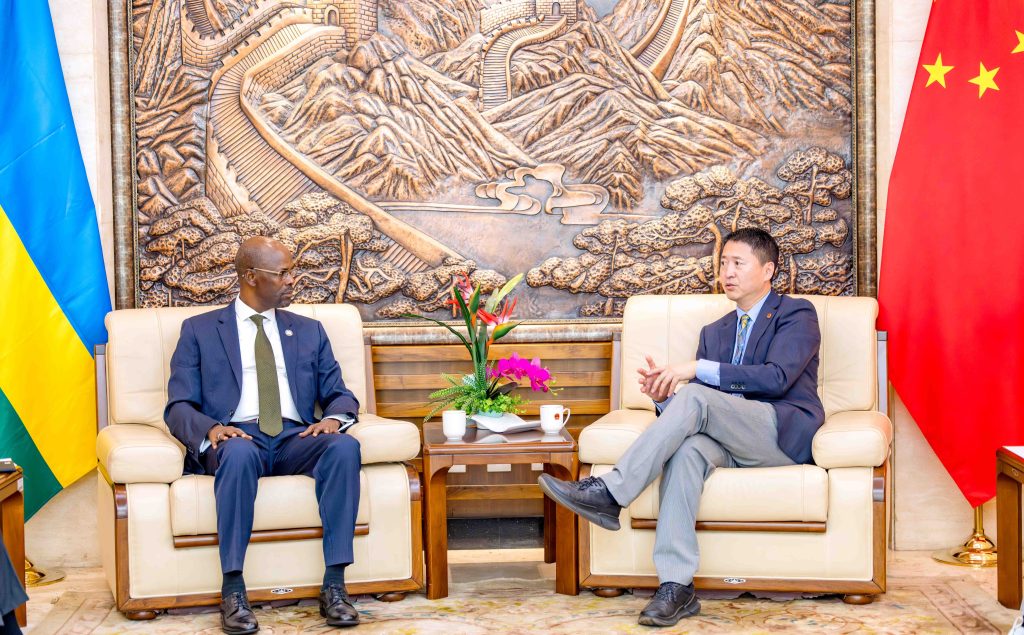
During the discussions, both sides highlighted the importance of continued cooperation to address Rwanda’s agricultural challenges and unlock new opportunities for innovation and productivity.
The meeting served as a platform to align priorities and explore ways to scale up ongoing initiatives that support farmers, improve resilience to climate change, and enhance food production systems. Emphasis was placed on practical collaboration that delivers tangible benefits to rural communities and contributes to national development goals.
China has increasingly positioned itself as a key global partner in promoting food security, particularly across Africa. Through investment, technology transfer, and capacity-building programs, China has supported agricultural modernization in several countries.
In Rwanda, China’s contributions have included the introduction of improved farming techniques, irrigation systems, and agricultural technologies aimed at boosting productivity and efficiency. These efforts align with broader South-South cooperation frameworks, where countries share knowledge and expertise to accelerate growth.
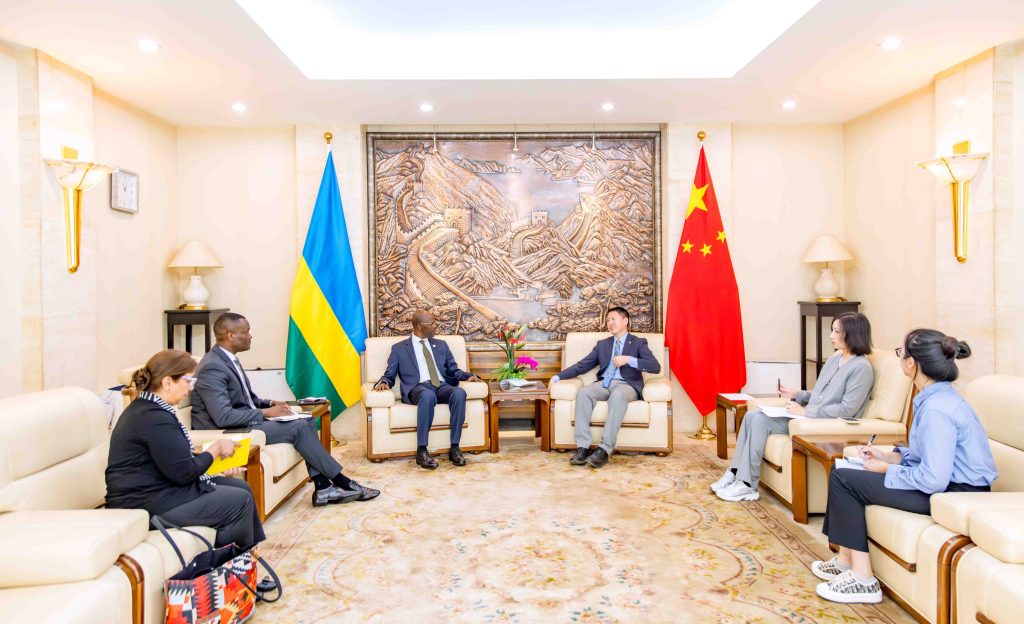
China’s engagement also reflects its commitment to strengthening global food systems by supporting countries in achieving self-sufficiency and resilience in food production.
The partnership between FAO and China plays a critical role in advancing sustainable food systems in Rwanda. By combining FAO’s technical expertise and policy support with China’s practical experience and resources, the collaboration creates a powerful platform for impact.
This cooperation is particularly important in addressing challenges such as climate change, food insecurity, and the need for sustainable agricultural practices. Joint initiatives can help scale innovations, improve value chains, and ensure that food systems are inclusive, efficient, and resilient.
For Rwanda, strengthening ties with both FAO and China offers a strategic opportunity to accelerate agricultural transformation, improve livelihoods, and enhance national food security.
As Rwanda continues to prioritize sustainable development, partnerships like these remain essential in building a future where food systems are robust, innovative, and capable of meeting the needs of a growing population.
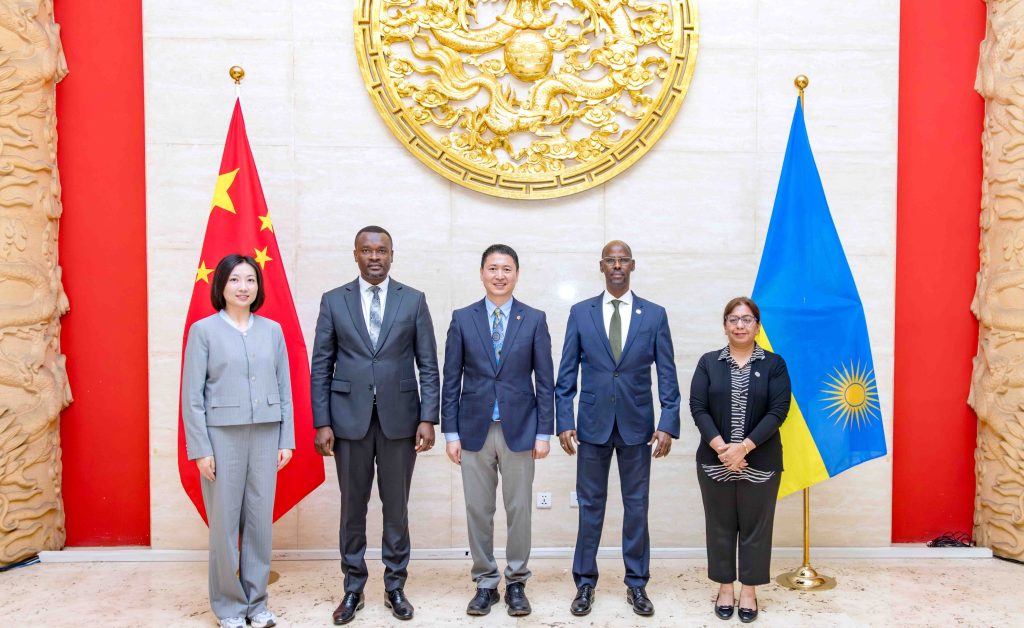
Photos by @FAORwanda