
Gas prices across the United Kingdom and Europe have surged sharply following a wave of attacks on key energy facilities in the Middle East, intensifying fears over global supply disruptions.
The spike comes after Iran launched strikes on Qatar’s Ras Laffan Industrial City, home to the world’s largest liquefied natural gas (LNG) complex. The facility, critical to global energy markets, suffered significant damage, forcing partial shutdowns and triggering immediate reactions in international gas markets.
In early trading, UK gas prices jumped by more than 20%, while European prices briefly rose over 25% before easing slightly. Despite the adjustment, prices remain more than double pre-conflict levels, signaling sustained market anxiety.
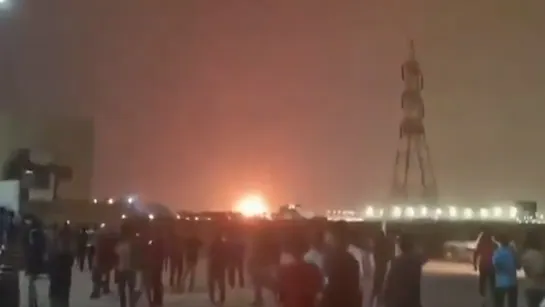
The situation escalated further after an earlier Israeli strike targeted Iran’s South Pars gas field, part of the world’s largest natural gas reserve shared with Qatar. The attack marked a dangerous shift in the conflict, bringing energy infrastructure directly into the line of fire.
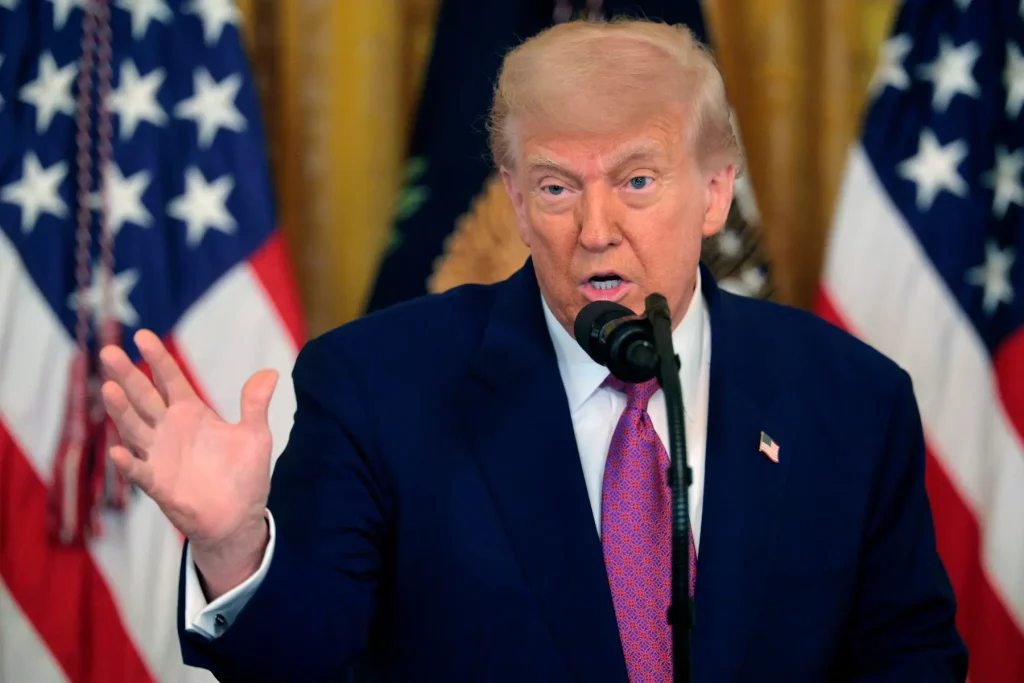
Responding to the developments, Donald Trump warned Iran against continuing attacks on Gulf energy sites. He stated that the United States had no prior knowledge of Israel’s strike on South Pars but cautioned that further aggression could provoke severe retaliation.
Meanwhile, Gulf nations have condemned the attacks, warning of long-term consequences for global energy security. Oman, the United Arab Emirates, and Saudi Arabia have all raised concerns over the targeting of civilian and economic infrastructure, calling for adherence to international law as reported by BBC News.
Beyond energy markets, the human cost of the conflict continues to rise. In the occupied West Bank, three women were reportedly killed after missile debris struck a civilian area, highlighting the widening regional impact of the war.
Experts warn that the current price surge could worsen in the coming months. As summer demand increases and countries compete to replenish gas reserves, the strain on supply chains may push prices even higher.
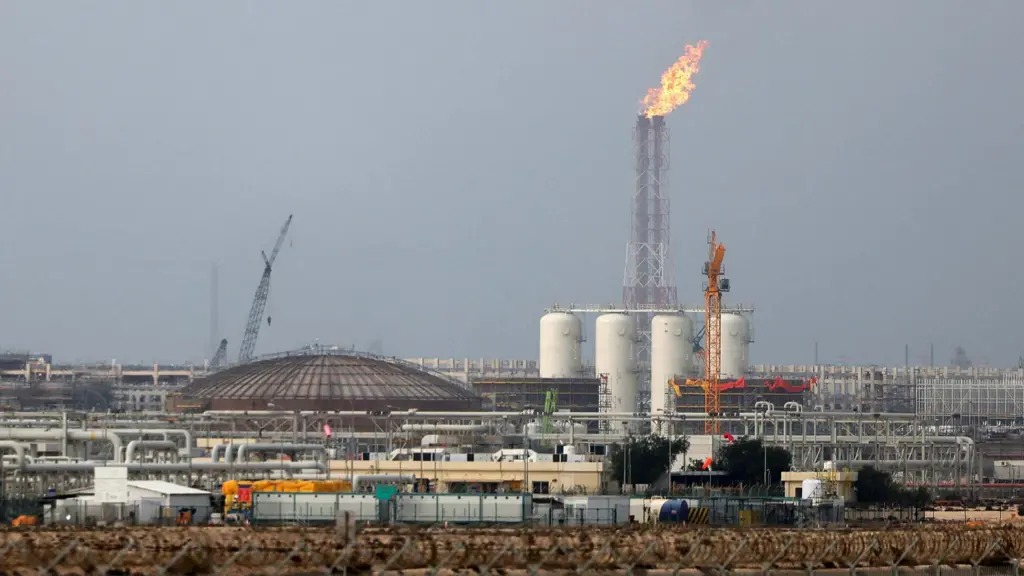
With tensions mounting and key energy hubs under threat, the crisis underscores the fragile balance of global energy security in times of geopolitical conflict.