Geneva, Switzerland, The 61st session of the United Nations Human Rights Council (HRC61) convened from 23 February to 31 March 2026, bringing together member states, diplomats, and experts to tackle urgent human rights challenges. This session takes place amid rising geopolitical tensions, financial uncertainty, and escalating global crises.
World Leaders Gather to Set the Human Rights Agenda
The session opened on 23 February at the Palais des Nations in Geneva, with over 100 heads of state, foreign ministers, and senior diplomats in attendance. Opening speeches emphasized pressing human rights priorities, including armed conflict, climate justice, discrimination, displacement, and the rule of law. UN Secretary-General António Guterres delivered what is expected to be his final address in this forum before the end of his term later in 2026.
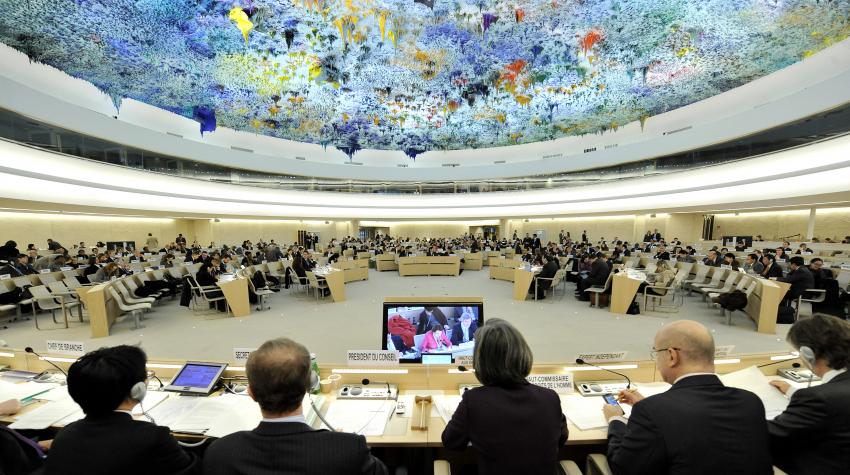
UN Human Rights Council opens in Geneva, addressing conflicts, climate justice, and human rights challenges. Image: United Nations in Geneva
The President of the UN General Assembly and the UN High Commissioner for Human Rights also delivered remarks, signaling the high stakes of the six-week session. Indonesia’s Permanent Representative to the
UN in Geneva, Ambassador Sidharto Reza Suryodipuro, assumed the Council’s presidency, underscoring Indonesia’s growing role in global human rights diplomacy.
Fighting Female Genital Mutilation with Technology
A major highlight of HRC61 is the annual high-level panel on human rights mainstreaming. This year, discussions focus on the power of new and emerging digital technologies to prevent and eliminate female genital mutilation. Experts are exploring how AI, mobile platforms, and data-driven interventions can improve early prevention while respecting privacy and local cultural sensitivities.
Children at Risk: Protecting the Most Vulnerable
The rights of children remain a central theme at HRC61, particularly for those affected by armed conflicts. The annual full-day meeting on the rights of the child examines violations, including limited access to education, safety risks, and exposure to exploitation. Delegates are reviewing country-specific reports and proposing measures to strengthen legal protections, accountability, and child-focused humanitarian action.
Disability-Inclusive Infrastructure
Accessibility is a key focus of this session, with panel discussions highlighting the importance of disability-inclusive infrastructure in housing, transportation, and public spaces. Experts shared successful models of inclusive urban planning and legislation to ensure that persons with disabilities can participate fully in society. These discussions reinforce the Council’s commitment to practical, rights-based solutions.
Promoting a Culture of Harmony
The Council is dedicating sessions to promoting a culture of peace, exploring how education, dialogue, and mediation can reduce violence and strengthen social cohesion. Policymakers, academics, and peacebuilders are exchanging strategies and best practices to prevent conflicts and build societies grounded in respect for human rights.
Global Hotspots Under the Spotlight
HRC61 is reviewing human rights situations in countries including Afghanistan, South Sudan, Iran, Myanmar, Syria, Venezuela, and the Occupied Palestinian Territory. Reports have highlighted systemic gaps in minority protections, triggering debates on equality, anti-discrimination, and legal safeguards. Delegates are focused on ensuring accountability for violations in conflict zones and marginalized communities.
Funding Challenges Threaten Global Human Rights Efforts
The Council faces significant financial constraints that could affect its operational capacity. Budget shortfalls may impact translation services, monitoring missions, and country visits, threatening the Council’s ability to oversee global human rights effectively. Delegates emphasized the need for secure funding to maintain the integrity of international monitoring and advocacy work.
Shaping the Future of Global Human Rights
As HRC61 continues toward its conclusion on 31 March 2026, the Council remains at the center of global human rights diplomacy. Member states, civil society, and international institutions are closely watching outcomes, which are expected to shape international policy, accountability mechanisms, and protection measures for years to come. This session highlights the intersection of geopolitical tension, technological innovation, humanitarian crises, and financial pressures in shaping the human rights landscape.