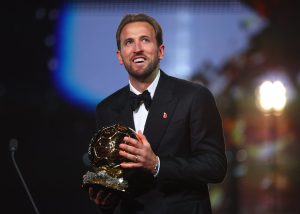


Ternus previously served as Apple’s Senior Vice President of Hardware Engineering and will lead the company into a new era as it faces growing competition in artificial intelligence.
Apple announced the leadership transition in April, saying the change was unanimously approved by its Board of Directors as part of a long-term succession plan.
Tim Cook became Apple’s CEO on August 24, 2011, after the company’s co-founder and then-CEO, Steve Jobs, resigned because of health problems. Before becoming CEO, Cook had served as Apple’s Chief Operating Officer.
The Apple Board of Directors appointed Cook as CEO, while Jobs became Chairman of the Board.
During his 15 years at the helm, Cook guided Apple through a period of major expansion. Under his leadership, the company strengthened its global supply chain and introduced major products and services, including the Apple Watch and AirPods.
Cook also helped transform Apple into one of the world’s most valuable companies. Reuters reported that Apple grew from a company valued at around $350 billion when Cook took over to more than $4.5 trillion by the time he handed over leadership to Ternus.
A New Era for Apple

Ternus takes over at a time when Apple remains one of the leading companies in the global smartphone market but faces increasing pressure to strengthen its position in artificial intelligence.
Several technology companies have made significant advances in AI, making the development of Apple’s strategy in the sector one of the major challenges facing its new CEO.
John Ternus, 51, joined Apple in 2001 and began his career with the company in its product design and hardware engineering divisions.
He gradually rose through the company’s ranks before becoming Senior Vice President of Hardware Engineering. In that role, he led teams responsible for developing several major Apple products, including the iPhone.
Ternus has spent much of his career focusing on Apple’s hardware and product development, giving him extensive experience in the technologies that have helped define the company.
Cook’s Legacy

During his time as CEO, Tim Cook placed significant emphasis on strengthening Apple’s operations, manufacturing and supply chain.
Apple’s global supply chain has become one of the largest and most complex in the world, involving numerous suppliers and manufacturing companies working together to produce and distribute Apple products worldwide.
Cook has previously praised Ternus for his technical knowledge and leadership abilities, describing him as someone with a deep understanding of how to create products that can improve people’s lives.
However, despite Ternus’ extensive experience in hardware development, he now faces the challenge of leading one of the world’s most influential technology companies at a time of rapid technological change.
Artificial intelligence, global competition, supply chain challenges and geopolitical tensions are expected to be among the major issues facing Apple under its new leadership.
Tim Cook Remains at Apple
Although he has stepped down as CEO, Tim Cook is not leaving Apple.
He has become Executive Chairman of Apple’s Board of Directors and will continue assisting the company in certain areas, including engaging with policymakers and government leaders around the world.
Cook worked closely with Ternus in preparation for the leadership transition.
Ternus will also join Apple’s Board of Directors as part of the transition.
One of Ternus’ first major public tests as CEO will be Apple’s upcoming iPhone launch event scheduled for September 9.
The event will provide one of the first opportunities for the new CEO to demonstrate his leadership and outline Apple’s direction as the company enters a new chapter.