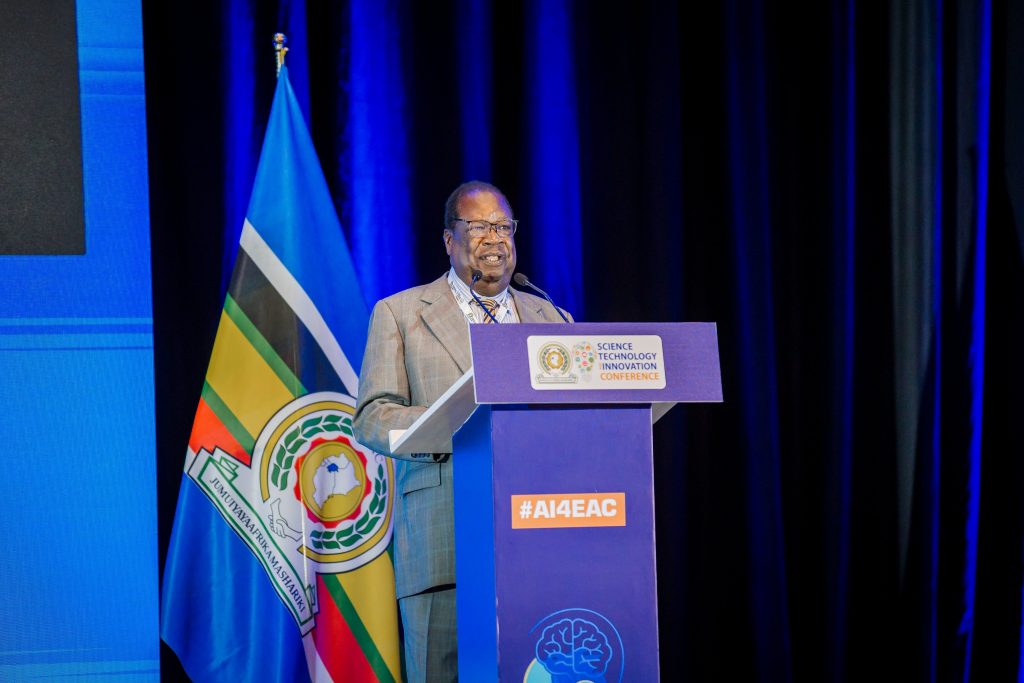

Paula Ingabire, Rwanda’s Minister of ICT and Innovation, outlined five key steps that member states of the East African Community (EAC) should jointly take to promote the adoption of Artificial Intelligence (AI) across various sectors, ensuring that regional development keeps pace with global trends.
She made these remarks on March 30, 2026, while officially opening a three-day conference in Kigali focused on exploring how AI can be leveraged to accelerate development in East Africa.

On behalf of the Government of Rwanda, Minister Ingabire highlighted the country’s progress in using technology, including AI, in delivering services such as healthcare, particularly in blood distribution systems. She also noted projections indicating that AI could contribute up to 5% of Rwanda’s Gross Domestic Product (GDP).
She added that other EAC countries such as Tanzania and Uganda have also advanced in using technology, especially in financial services. However, she emphasized that the continent still has untapped opportunities that should be harnessed to fully benefit from AI.
She stated:
“The African Development Bank indicates that by 2035, AI could add $1 trillion to Africa’s GDP, create between 35 and 40 million tech jobs, and generate up to $150 billion in tax revenue.”
“In East Africa, mobile network coverage could reach up to 90% of the region, and internet usage has increased by 54% in just one year. However, today less than 3% of the languages used on the internet globally are African languages. We must urgently invest in making online content available in Swahili, Kinyarwanda, Luganda, and other East African languages.”
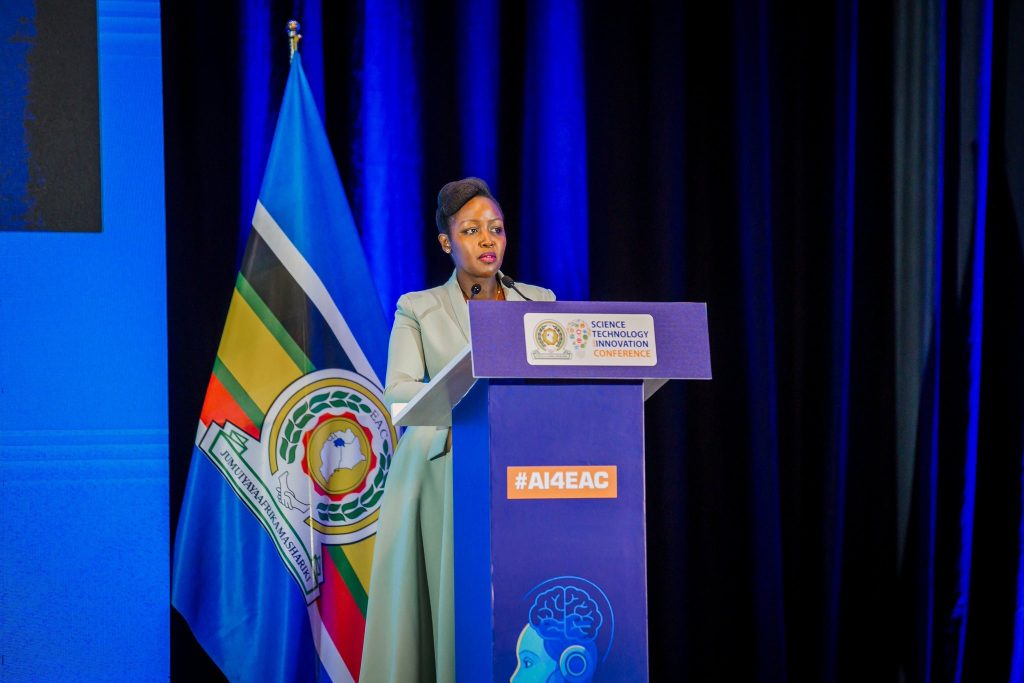
Minister Ingabire outlined five key steps the EAC should take to fully harness AI:
The first is establishing regulatory frameworks that safeguard national sovereignty, ensuring each country has the authority to oversee how AI is developed and used within its borders, and can hold developers accountable.
The second is creating a regional research and innovation center, funded jointly by governments and the private sector.
The third step is setting up three regional data centers to improve accessibility of regional data while ensuring compliance with EAC data protection and storage regulations.
The fourth is developing harmonized EAC guidelines on AI use, facilitating its adoption across member states, enabling its use in public institutions, and ensuring accountability in case of misuse.
The fifth step is implementing large-scale training programs targeting millions of people, especially youth and women across the EAC to equip them with AI skills and provide certification.