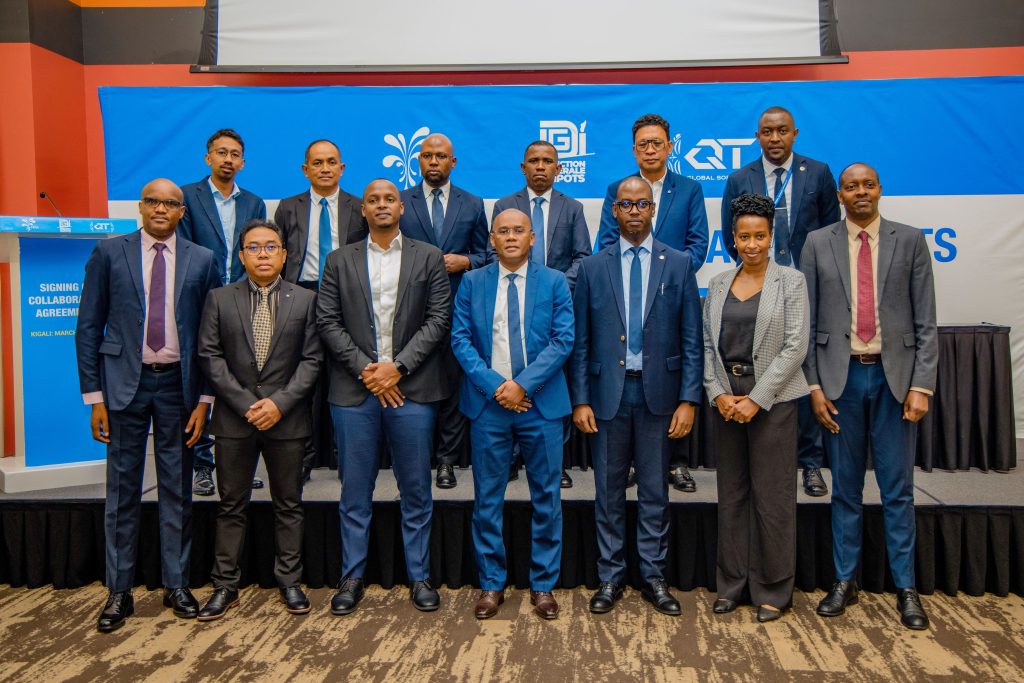

The agreement was signed on March 30, 2026, alongside a training session for a delegation from Madagascar on how to use the technology.
The Commissioner General of RRA, Niwenshuti Ronald, noted that EBM has significantly strengthened Rwanda’s tax system, which is why other countries are increasingly interested in adopting it.
He said, “Currently, VAT is the leading tax in terms of proper compliance, and we owe that to EBM. Other taxes have also improved because we encourage everyone to use this technology in all their transactions.”
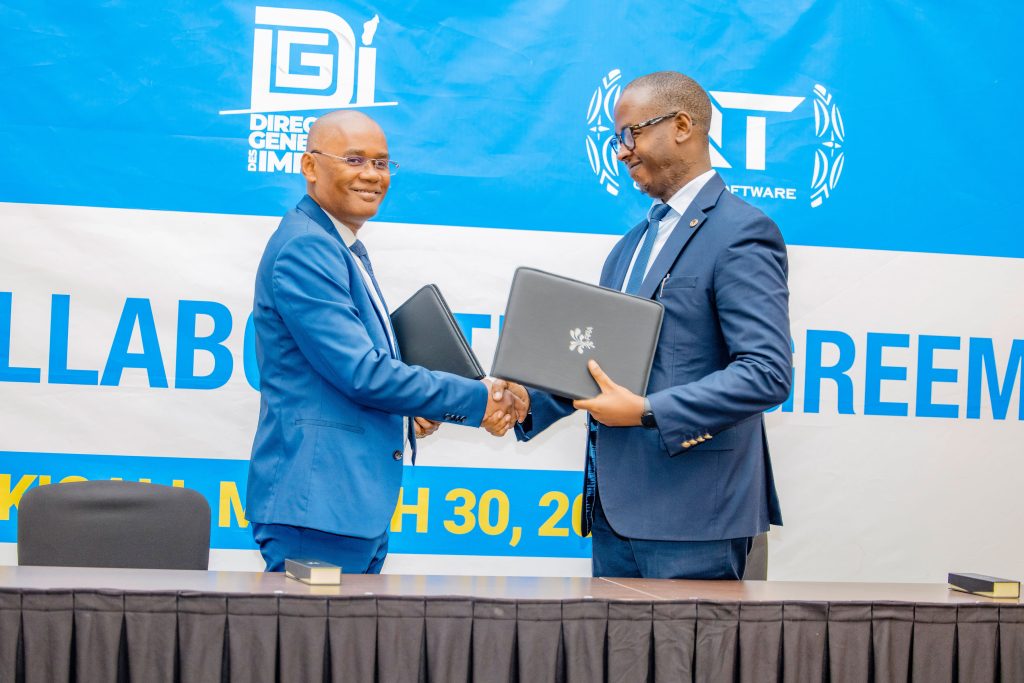
The head of Madagascar’s tax authority, Edmond Rafaralahy, said they learned a lot from Rwanda and are ready to begin implementing EBM after witnessing its impact.
He said, “We came here to learn, but we will also go back and teach. We will conduct awareness campaigns to educate our citizens on the benefits of this technology, which has helped Rwanda achieve strong tax collection. What we have seen is a good example of effective technology and governance. We believe it will help us greatly as well.”
EBM is one of the services Rwanda continues to export to other countries due to its effectiveness in improving tax collection. The technology has already been adopted in Kenya, Uganda, Chad, Zambia, and now Madagascar.
Madagascar will also receive support from a Rwandan company, QT Global, to implement the system.
Rwanda introduced EBM in 2013, which significantly improved the collection of Value Added Tax (VAT).
At the time, all VAT-registered taxpayers were required to own and use EBM, and currently, about 98% of them use it to issue receipts.
In 2019, a law was enacted requiring even non-VAT registered individuals to use EBM in their daily business operations. This means that any trader earning as little as RWF 3 million or up to RWF 20 million annually is required to use EBM to issue receipts.