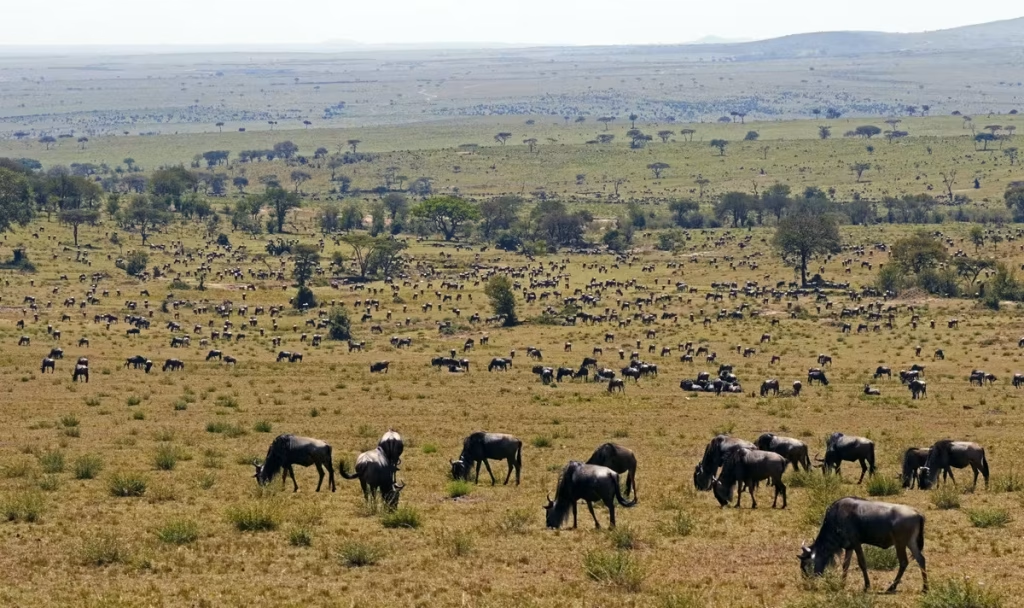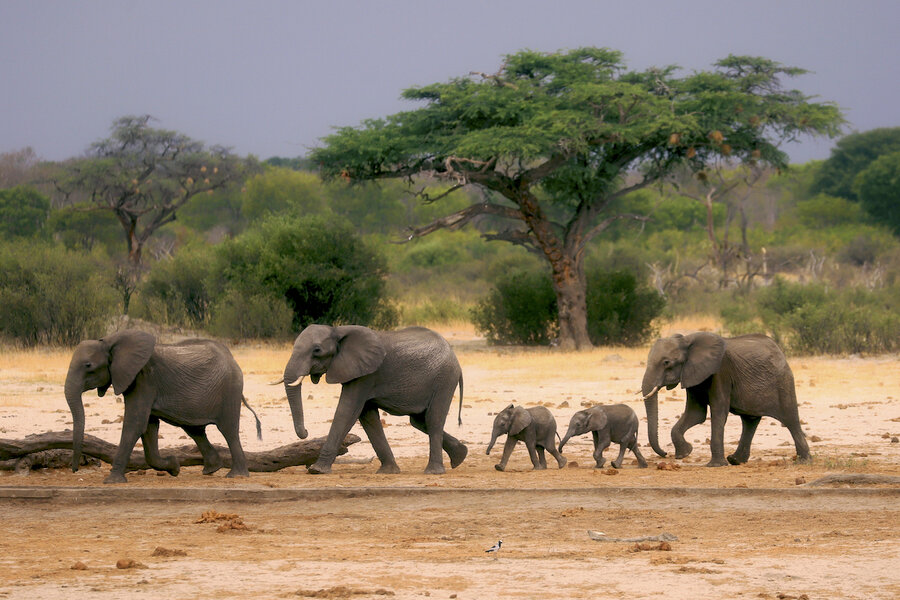

New ecological research is raising fresh questions about how wildlife responds to climate change, with findings showing that animal movement patterns are far less predictable than scientists once believed.
For decades, researchers expected that rising global temperatures would push species steadily toward cooler areas, either moving northward or shifting to higher elevations. However, recent large-scale analyses suggest that reality is far more complex.
A global review covering more than 12,000 species and tens of thousands of recorded range shifts indicates that fewer than half of observed movements align with these long-standing climate-based expectations.
Scientists from the U.S. Geological Survey say the results show that temperature alone cannot explain how species are responding. Instead, animals are also strongly influenced by habitat conditions, rainfall patterns, food availability, and how connected or fragmented landscapes are.
Movement shaped by habitat, not only climate
In parts of the northeastern United States, warming winters have significantly reduced snow cover over recent decades. Despite this, several species are not shifting in the expected direction.
The American red squirrel has, in some areas, moved to lower elevations while tracking recovering red spruce forests, suggesting habitat recovery can override temperature-driven movement.
Similarly, the Canadian lynx shows inconsistent movement patterns, shifting north or south depending on prey availability and seasonal snow conditions, making long-term range changes difficult to confirm.
Researchers also warn that moving toward cooler regions does not always improve species survival. In some global studies, populations of species shifting poleward have still declined significantly over time.
In addition, many species are moving much faster than predicted by climate models, suggesting that current forecasting tools may be underestimating real-world ecological responses.
Fragmented landscapes create barriers
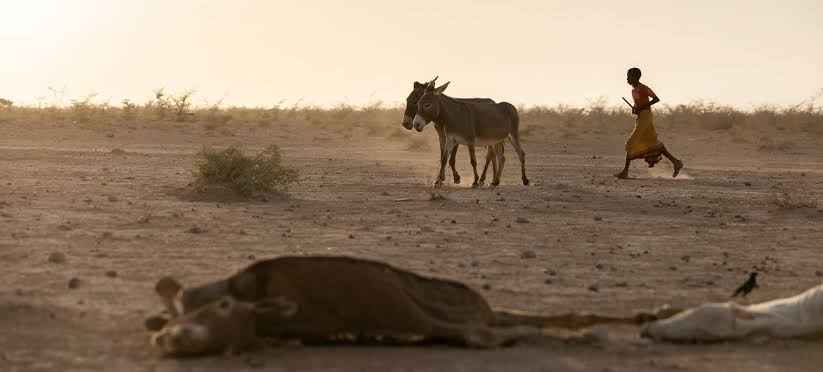
Even when species attempt to relocate, human activity is making it increasingly difficult. Roads, agriculture, and urban expansion are breaking up natural habitats and limiting movement pathways.
In highly developed regions, habitat connectivity is extremely low, increasing the risk of species becoming isolated in shrinking suitable environments.
Conservation corridors under review
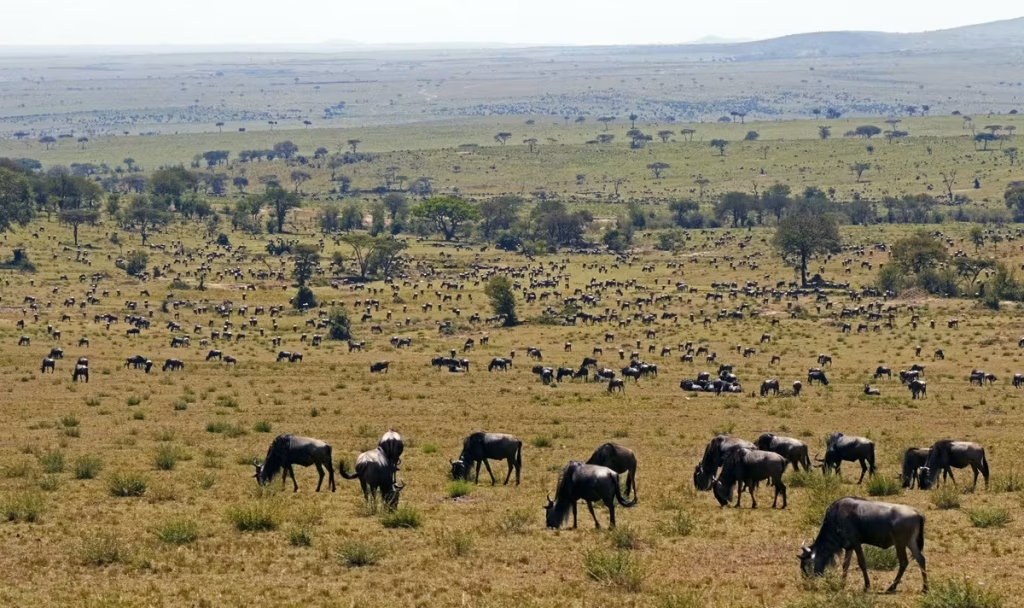
Wildlife corridors, designed to link habitats and support movement, are now under scrutiny. Experts say many existing corridors are based on current ecological conditions rather than future climate scenarios.
Joshua Lawler of the University of Washington says conservation planning needs to become more forward-looking, focusing on where species are likely to move in the future rather than only connecting today’s habitats.
One of the greatest ongoing efforts, the Florida Wildlife Corridor Foundation, has secured around 18 million acres of connected landscapes, supporting species such as the Florida panther and hundreds of other at-risk species.
Scientists call for updated conservation models
Researchers emphasize that wildlife movement is influenced by multiple interacting factors, including climate, habitat change, precipitation, and species interactions.
Because of this complexity, experts say predicting exact movement patterns remains highly uncertain.
Outlook
The findings suggest that conservation strategies based solely on static protected areas may no longer be sufficient. Scientists are increasingly calling for adaptive, connected landscape approaches that allow species to move gradually as environmental conditions change.
The research highlights a shifting reality: wildlife responses to climate change are dynamic, unpredictable, and shaped by far more than temperature alone.
Source: Mongabay