
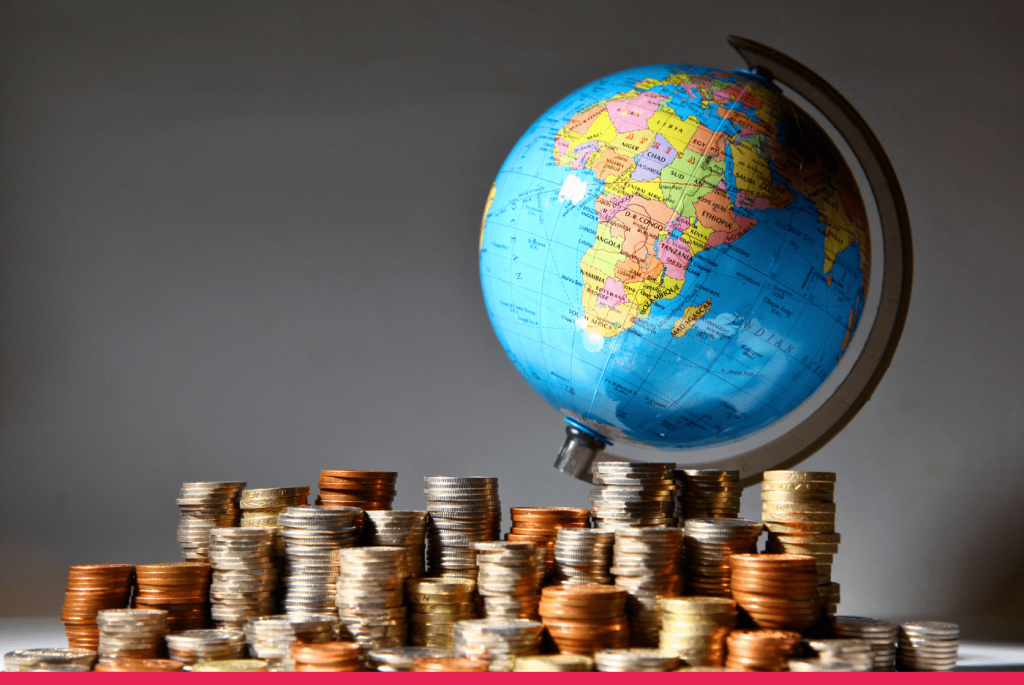
Africa is entering a new phase of development, where investment is taking center stage over traditional aid. For years, aid played a key role in supporting basic services and responding to crises. Today, however, many African countries are focusing on building strong economies through trade, private sector growth, and strategic investments.
This shift reflects a growing belief that sustainable development must come from within supported by global partnerships, but driven by local ambition.
Why investment is gaining ground
Investment offers long-term benefits that aid often cannot provide. It creates jobs, builds industries, and supports innovation. Across Africa, governments are improving policies to attract both local and foreign investors.
By focusing on sectors such as infrastructure, energy, agriculture, and technology, countries are laying the foundation for stable economic growth. This approach also helps reduce dependency and strengthens economic independence.
Rwanda’s role in the transition
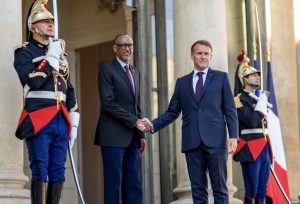
Rwanda stands out as a strong example of this shift. Over the past years, the country has positioned itself as an attractive destination for investors by promoting good governance, ease of doing business, and digital transformation.
Kigali has become a hub for innovation and entrepreneurship, with growing investments in technology, finance, and clean energy. Rwanda’s focus on efficient public services and investor-friendly policies shows how targeted reforms can drive economic progress.
Opportunities across Africa
The continent holds major opportunities for investment. A young and dynamic population, expanding digital markets, and rich natural resources make Africa a promising destination.
The African Continental Free Trade Area (AfCFTA) is also opening up markets by allowing easier trade between countries. This creates a larger, more connected market that is attractive to investors looking for growth.
Challenges that still matter
Despite the progress, challenges remain. Political instability in some regions, limited infrastructure, and access to finance can slow investment flows. There is also a need to ensure that investments benefit local communities and support inclusive growth.
Addressing these issues will require stronger institutions, clear regulations, and regional cooperation.
A balanced path forward
While investment is becoming the main driver of growth, aid still has a role especially in humanitarian support and capacity building. A balanced approach that combines smart investment with targeted aid can help countries manage risks while building long-term strength.
The road ahead
Africa’s future is increasingly being shaped by investment rather than aid. Countries like Rwanda are showing that with the right policies and vision, it is possible to attract investment and drive sustainable growth.
As the continent continues on this path, the focus will remain on creating opportunities, strengthening partnerships, and building economies that can thrive independently.