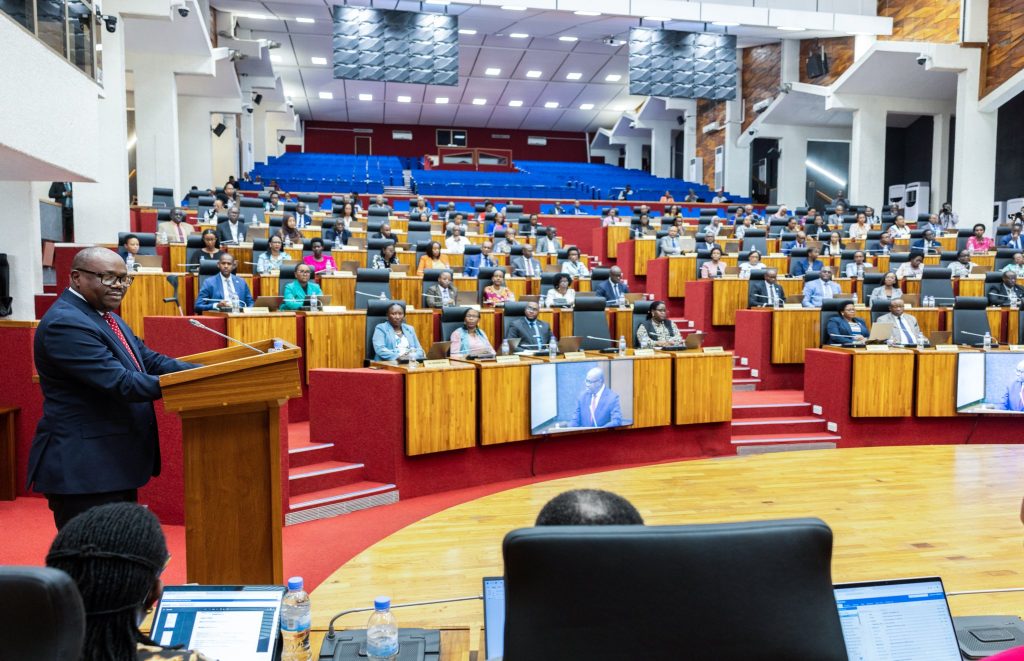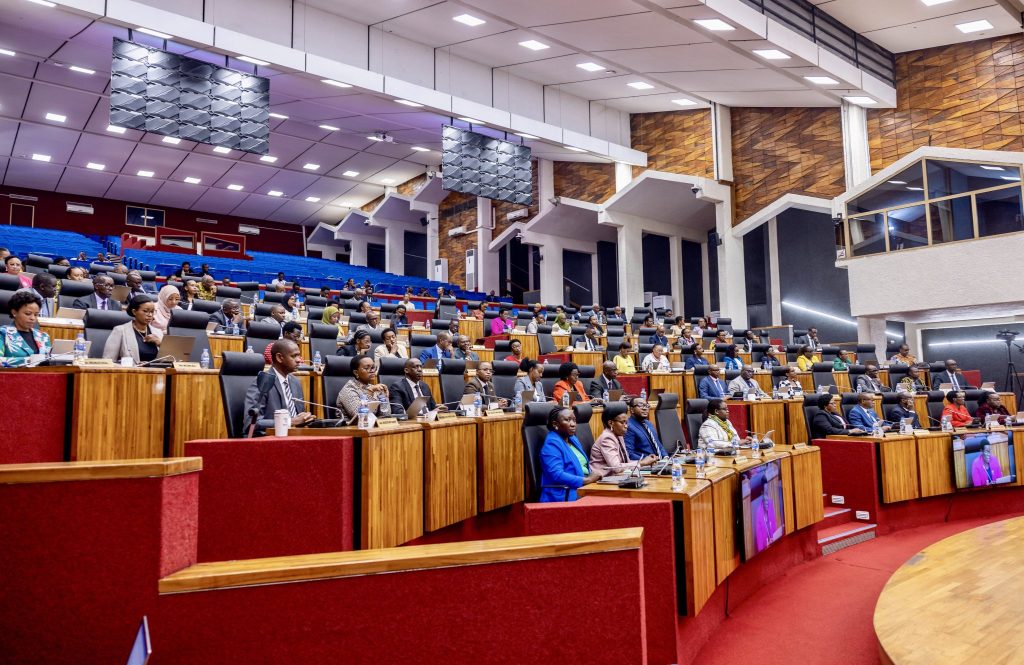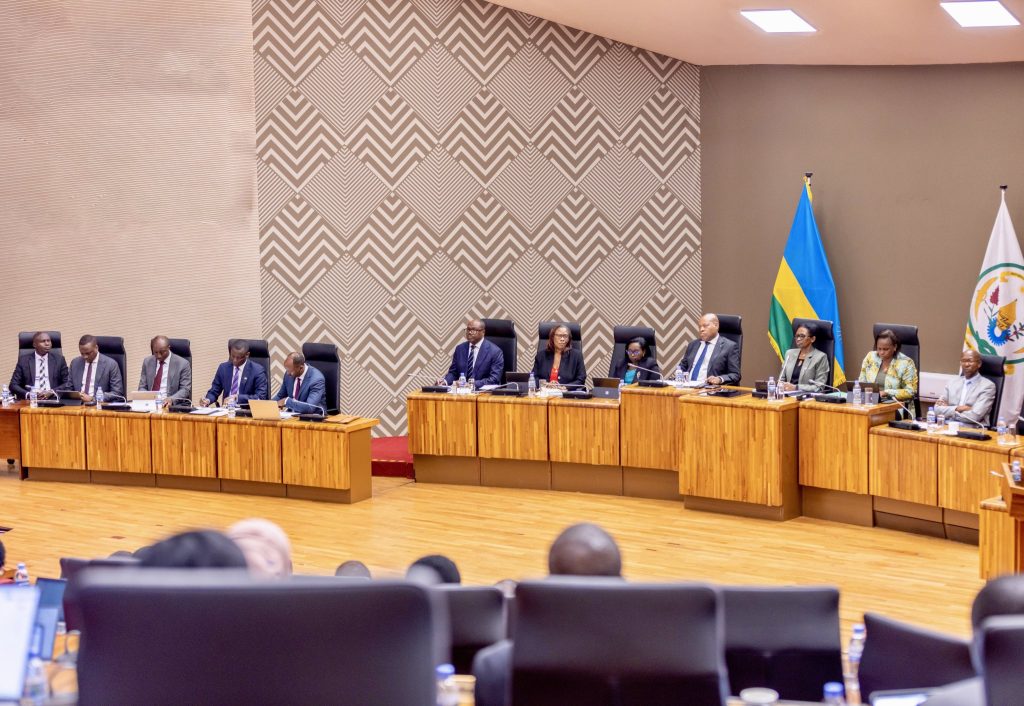

He made the remarks while appearing before Parliament (both chambers), where he was presenting government efforts aimed at improving citizens’ welfare.
Dr. Nsengiyumva explained that, in order to strengthen the sustainability of the community-based health insurance scheme, contributions paid by citizens have been increased.
He said, “Mutuelle has encouraged many Rwandans to seek medical care early. We are pleased that about 88% of Rwandans are covered by this insurance.”
Initially, each citizen contributed 1,000 Rwf. In 2011, the contribution was raised to 3,000 Rwf, and it has now been increased again under the new reforms.
Under the updated structure:
- People in the first category are fully covered by the government (100%)
- Second category pays 3,000 Rwf
- Third category pays 5,000 Rwf
- Fourth category pays 8,000 Rwf
- Fifth category pays 20,000 Rwf
Based on the Ubudehe (social categorization) system:
- 6.89% of citizens are fully supported by the government
- 23% pay 3,000 Rwf (with a 1,000 Rwf government subsidy)
- Over 35% pay 5,000 Rwf
- 26% pay 8,000 Rwf
- 8% pay 20,000 Rwf
Dr. Nsengiyumva further explained that the inclusion of additional services such as treatment for common diseases affecting Rwandans like cancer, kidney transplants, heart surgery, orthopedic and spinal surgery, prosthetics and implants, as well as an expanded list of medicines, has significantly increased the cost of the scheme.
He noted that over the past 10 years, the expenditure of the Mutuelle fund has more than doubled, rising from 39 billion Rwf in 2015/2016 to 98 billion Rwf in 2024/2025.
He added, “As Rwandans, our health is our responsibility, because we know that prevention is better than cure.”
The Prime Minister emphasized again that the increase in contributions is not meant to burden citizens, but to ensure the system operates efficiently and sustainably for everyone’s benefit.
He illustrated this with an example: a kidney patient requiring dialysis three times a week (about 156 sessions per year) would pay around 9,419,904 Rwf annually without insurance, but only 10% (941,990 Rwf) if insured.
Despite these benefits, Dr. Nsengiyumva acknowledged that after the new contribution system was introduced, some citizens expressed confusion or concern that the fees did not match their financial capacity.
He reassured them, saying the categorization and pricing were carefully determined through collaboration among various institutions. He also noted that, as emphasized by Paul Kagame, the government will continue engaging citizens and addressing their concerns.
During a meeting with Muslim leaders on March 25, 2026, the President also addressed questions about Mutuelle, promising that any identified issues would be corrected.
These reforms are expected to increase member contributions to nearly 70 billion Rwf in the 2026/2027 fiscal year, covering about 48% of the required funding.
The government will continue to subsidize the remaining 52% to ensure the insurance fund remains financially stable.
Regarding service payments, members will pay a co-payment of 200 Rwf at health centers and primary clinics, and 10% of treatment costs at hospitals.