

Every year, on 3 March, the world celebrates World Wildlife Day, a day dedicated to raising awareness about protecting wildlife and their habitats. The United Nations established this observance in 2013 to highlight the critical role of wild animals and plants in maintaining ecological balance, supporting livelihoods, and preserving cultural heritage.
This year’s theme, “Medicinal and Aromatic Plants: Conserving Health, Heritage and Livelihoods,” emphasizes the importance of protecting these species for environmental conservation, human health, cultural traditions, and economic stability.
A Biodiversity Crisis
Wildlife is facing unprecedented threats across the globe, with more than 1 million species currently at risk of extinction due to habitat loss, climate change, and illegal hunting.
According to World Wide Fund for Nature’s Living Planet Report released in 2024, wildlife populations have fallen sharply, with the largest declines in Latin America and the Caribbean (95%), Africa (76%), and the Asia–Pacific region (60%), followed by North America (39%) and Europe and Central Asia (35%).
These losses not only endanger biodiversity but also threaten economies and communities that rely on wildlife and plant resources.
Why Wildlife and Plants Matter for People
Wildlife and medicinal plants play a vital role in supporting life on Earth. Bees, birds, and other pollinators help produce more than 75 percent of the world’s food crops, while forests, wetlands, and rivers, maintained by wildlife, clean water, enrich soil, and store carbon. Without these natural systems, farming, human health, and livelihoods are seriously at risk, according to the WWF 2025 report.
In addition, medicinal and aromatic plants hold deep cultural and medicinal significance. Communities across Africa rely on these species for traditional medicine, rituals, and knowledge passed down through generations, and losing them would mean losing centuries of indigenous wisdom and cultural heritage.
Wildlife Conservation Boosts Rwanda’s Tourism and Jobs
Conserving wildlife and plants continues to drive economic growth in Rwanda. The country’s travel and tourism sector supported over 386,000 jobs in 2024, according to the World Travel and Tourism Council.
Tourism remains a key pillar of Rwanda’s economy, contributing significantly to foreign exchange earnings and employment. The country is widely recognized for its rich natural assets, including national parks, diverse wildlife, and its commitment to sustainable tourism.
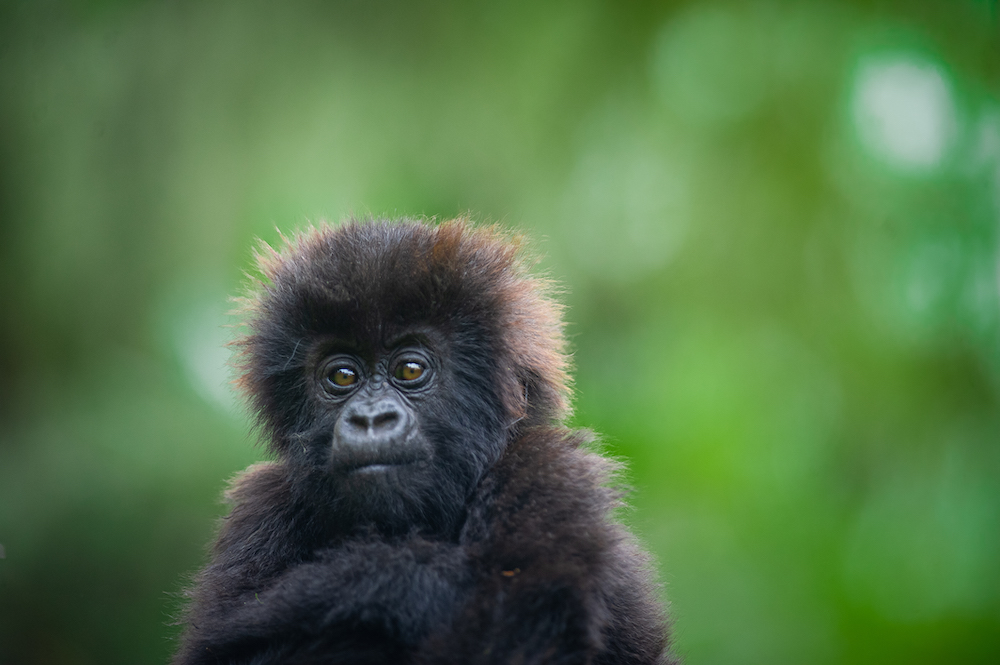
In 2024, tourism revenues increased by 4.3% to $647 million, largely driven by a 27% surge in gorilla tourism, according to the Rwanda Development Board. The government has set an ambitious target of generating $1.1 billion in tourism revenue by 2029.
Communities Leading Conservation Efforts
Community-led programs are having a tangible impact on wildlife and plant protection worldwide. Anti-poaching patrols, habitat restoration projects, and sustainable farming initiatives are delivering measurable outcomes.
In conservancies across Africa and beyond, local wildlife populations have increased in recent years. By linking conservation efforts with community involvement, these initiatives allow people to benefit alongside nature, creating a sustainable model for generations to come.
As World Wildlife Day is marked around the globe, experts warn that urgent action is needed to protect wildlife and plants. Conservation supports livelihoods, preserves cultural traditions, drives tourism, and maintains healthy ecosystems, affecting communities everywhere. Across continents, governments and local initiatives are showing that working with nature can deliver lasting benefits for both people and the planet.