
The government is working to develop local businesses that can take part in the supply chains expected to grow around nuclear energy. These could include companies providing construction, engineering, technology, maintenance and other specialised services.
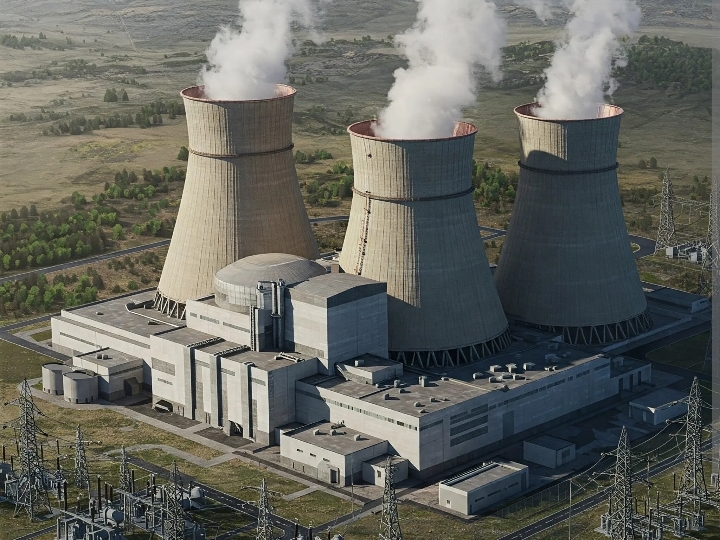
Rwanda plans to deploy its first small modular reactor (SMR) in the early 2030s as part of efforts to increase electricity supply and support the country’s growing economy. The government has also set a target of developing more than 230 nuclear professionals by 2028.
The nuclear programme is expected to create demand for a wide range of skills and services. Local companies that develop the required technical capacity could therefore gain opportunities to work alongside international technology providers and other partners.
Industries and business centres such as Kigali Industrial Zone, Special Economic Zones, mining areas in the Eastern Province and Kigali Innovation City are among the areas that could benefit from a more reliable electricity supply from nuclear power.
Rwanda is also investing in education and skills development. The University of Rwanda, working with the Rwanda Atomic Energy Board, has introduced a degree programme in Nuclear Science and Technology. Technical and vocational institutions are also expected to help train workers in specialised areas.
The country is working with international partners to strengthen its nuclear expertise, while plans also include developing a regional nuclear knowledge hub that could provide training and research opportunities for Rwanda and other African countries.
For Rwanda, the nuclear programme is therefore not only about producing electricity. It is also being linked to skills development, technology, research and opportunities for local businesses to become part of a growing high-tech industry.
The plans highlight Rwanda’s efforts to build local capacity and position the country as a centre for advanced technology and nuclear knowledge in Africa.